Sandakan – Malayasia
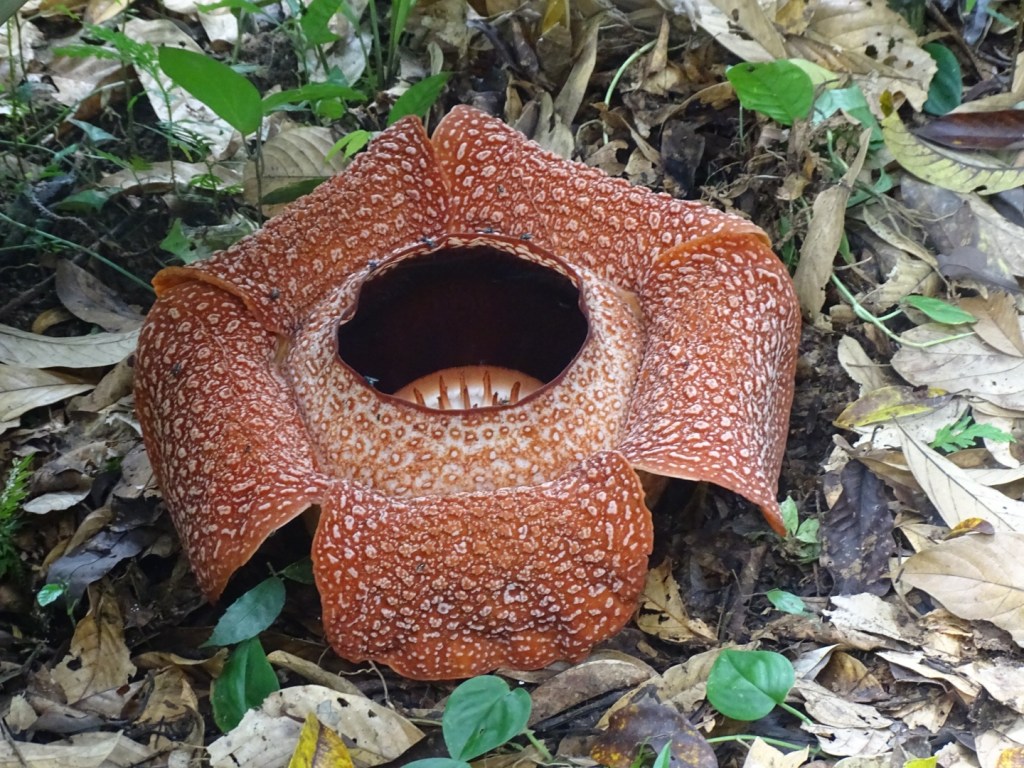
It seemed like a good idea at the time. Our tour leader had offered to take us on a ’40-minute’ walk at 9am the day following our Mt Kinabalu summit in order to get the legs moving and so that’s what I mentally prepared for. In what was proving to be our tour leader’s forte, 40 minutes turned into a three-hour extravaganza of mixed activities. I had not planned to spend my whole morning listening to everyone complain about how sore their legs were while loitering through a tame rainforest track partly because my legs were fine, but mainly because I wasn’t in a very sociable mood. I had made plans of my own, and now they were being impeded upon. Then came along the Rafflesia arnoldii, the largest blooming flower in the world, and one that we could see for only £5. Considering where we were that’s like charging someone to view a pine tree in Scotland. Nonetheless, as per usual I lost the fight with Rut who insisted we must see such a spectacle, a decision made easier for her as I was paying for the tickets. I didn’t think I could be any grumpier, but then I finally discovered what we had paid for and as expected it was thoroughly disappointing. Obviously it wasn’t the world’s biggest flower for a start, yes its family lays claim to the title but what I saw in front of me was something a third the size of that advertised, that smelt of crap in order to attract swarms of flies, looked more like a fancy mushroom than a flower, and was nearer to the colour brown than the red it’s portrayed to be. Finally, it’s a parasite which sums up neatly why it was so bloody disappointing! I finally made a break for it and ducked into the butterfly garden which, despite me not caring for butterflies that intensely, was rather impressive and lovely and worth far more than the ticket paid for the parasitic flower. As such things can be in life, the butterflies were free. To cap off a disappointing day we visited the hot springs which had been harnessed to fill individual private baths that lucky visitors like myself could pay surprisingly little to rent for a few hours. After waiting one hour for it to fill only to endure a child next door creating tsunami like chaos that spread over to our miniscule world of attempted peace we gave up and called it a day. Apparently the ‘soothing hot spring water’ would help with my legs that didn’t need any help, but it turns my legs weren’t appreciative of the bath and immediately ceased up for the following three days.
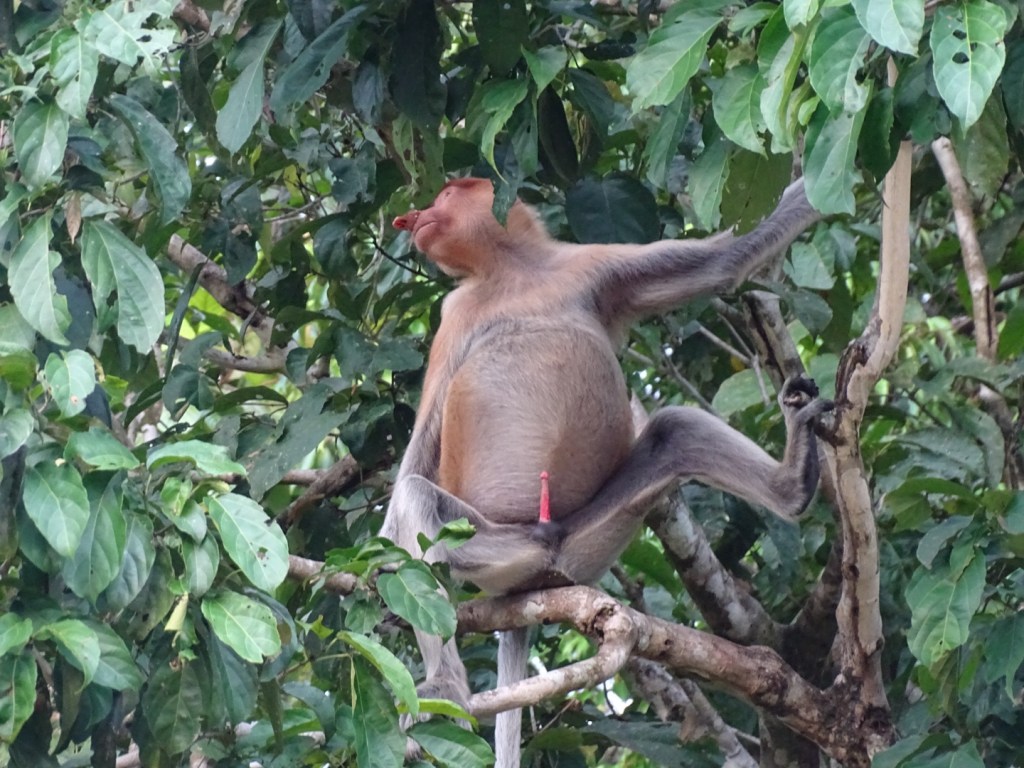
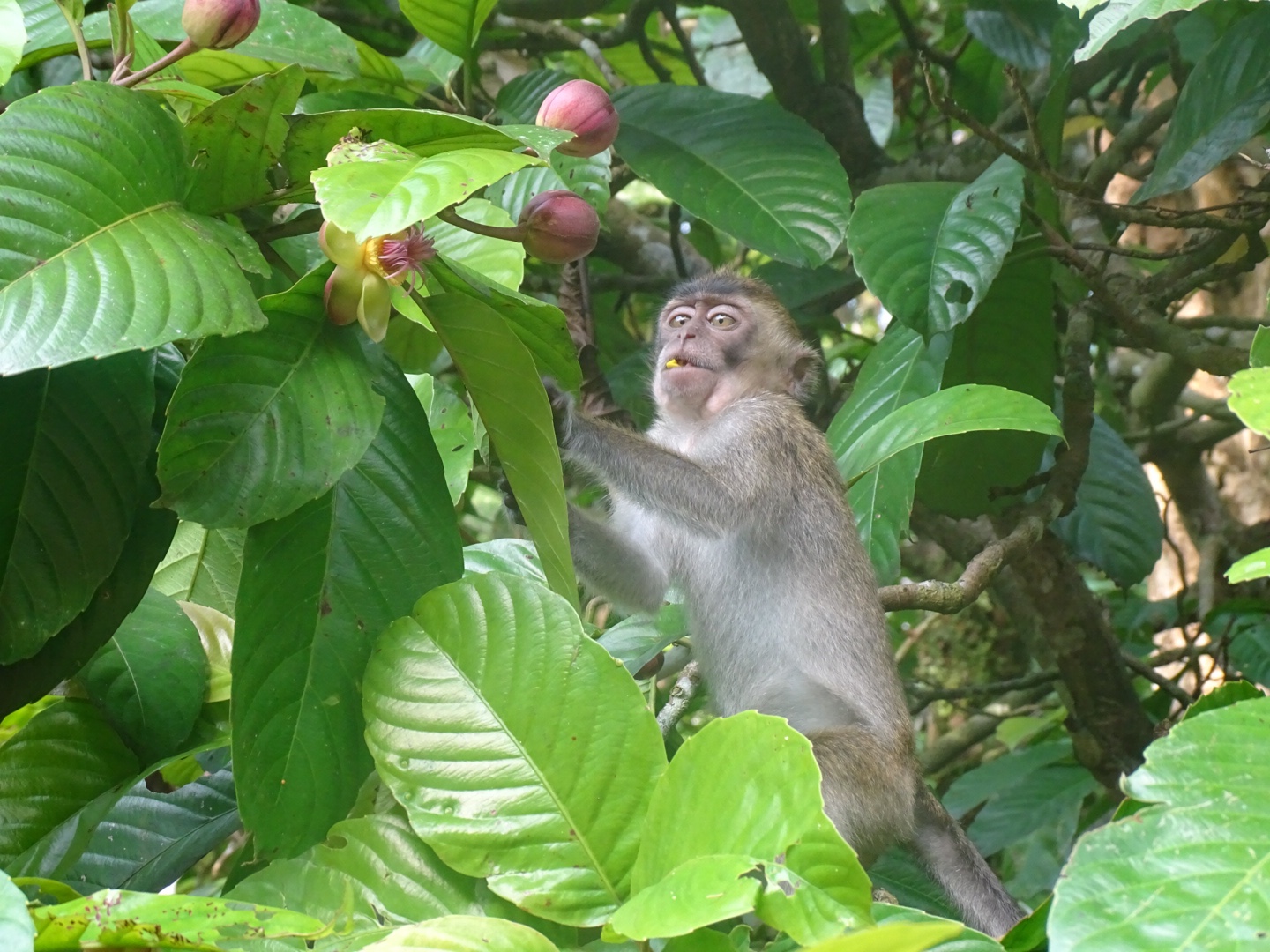
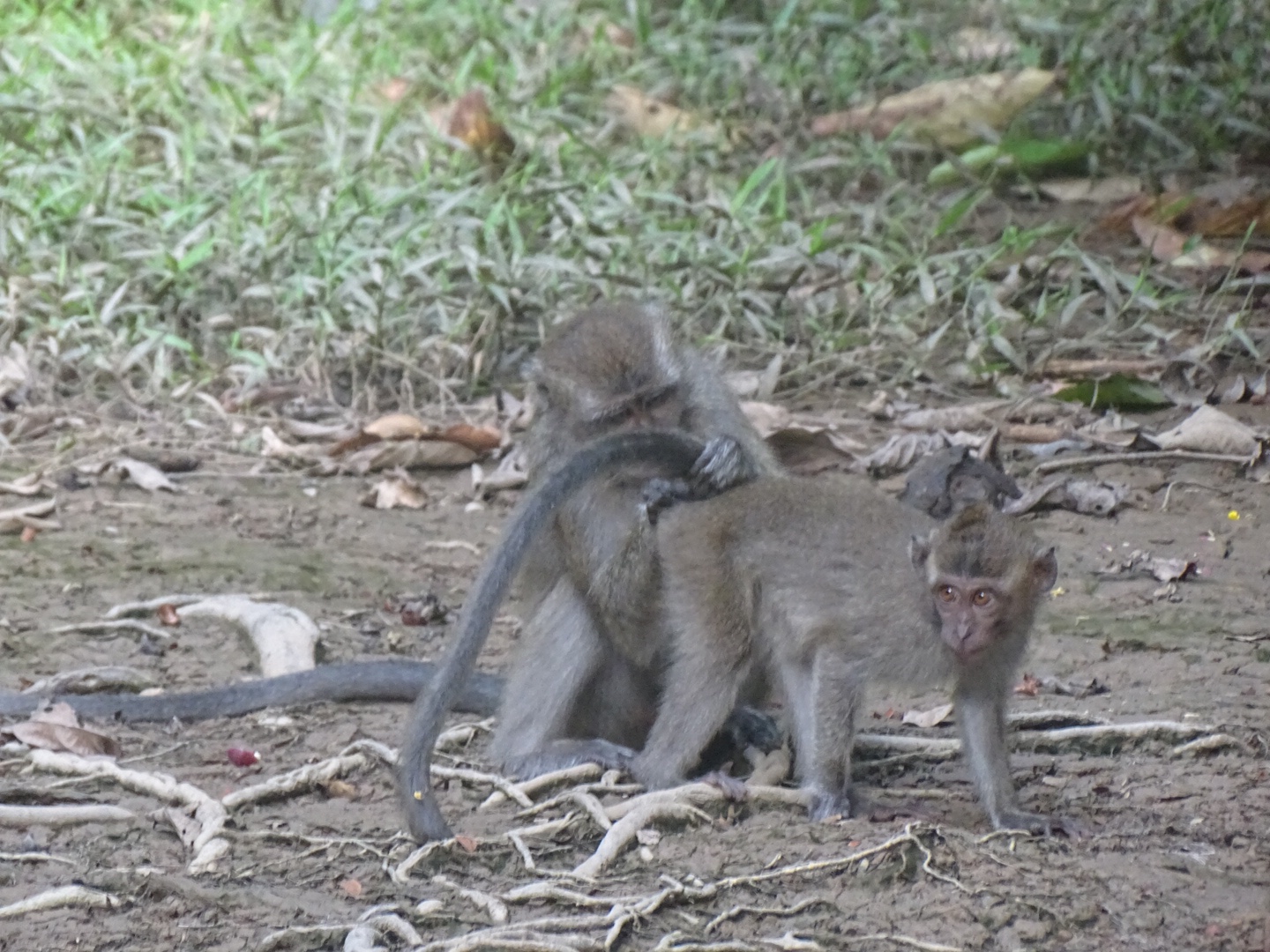
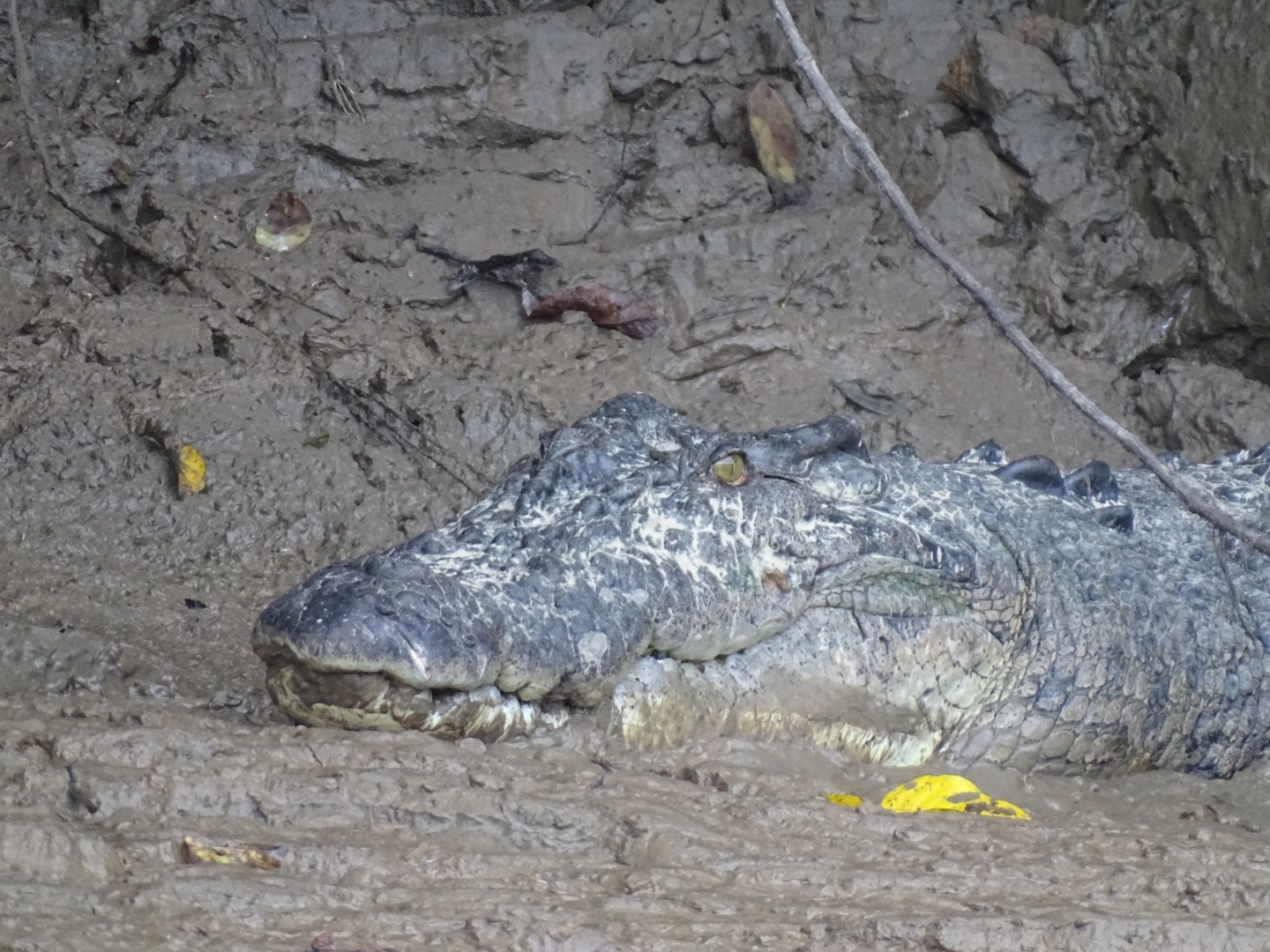
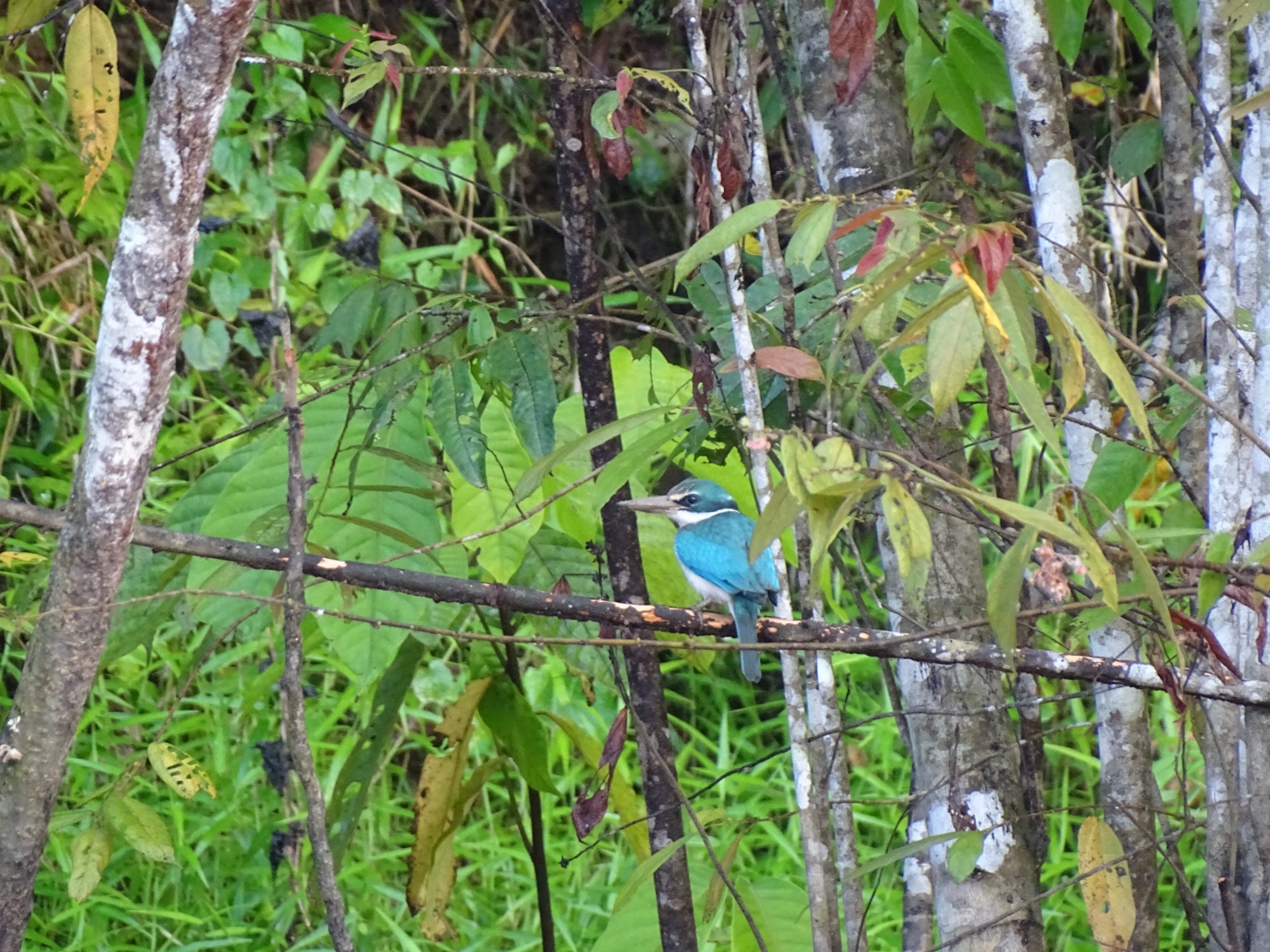
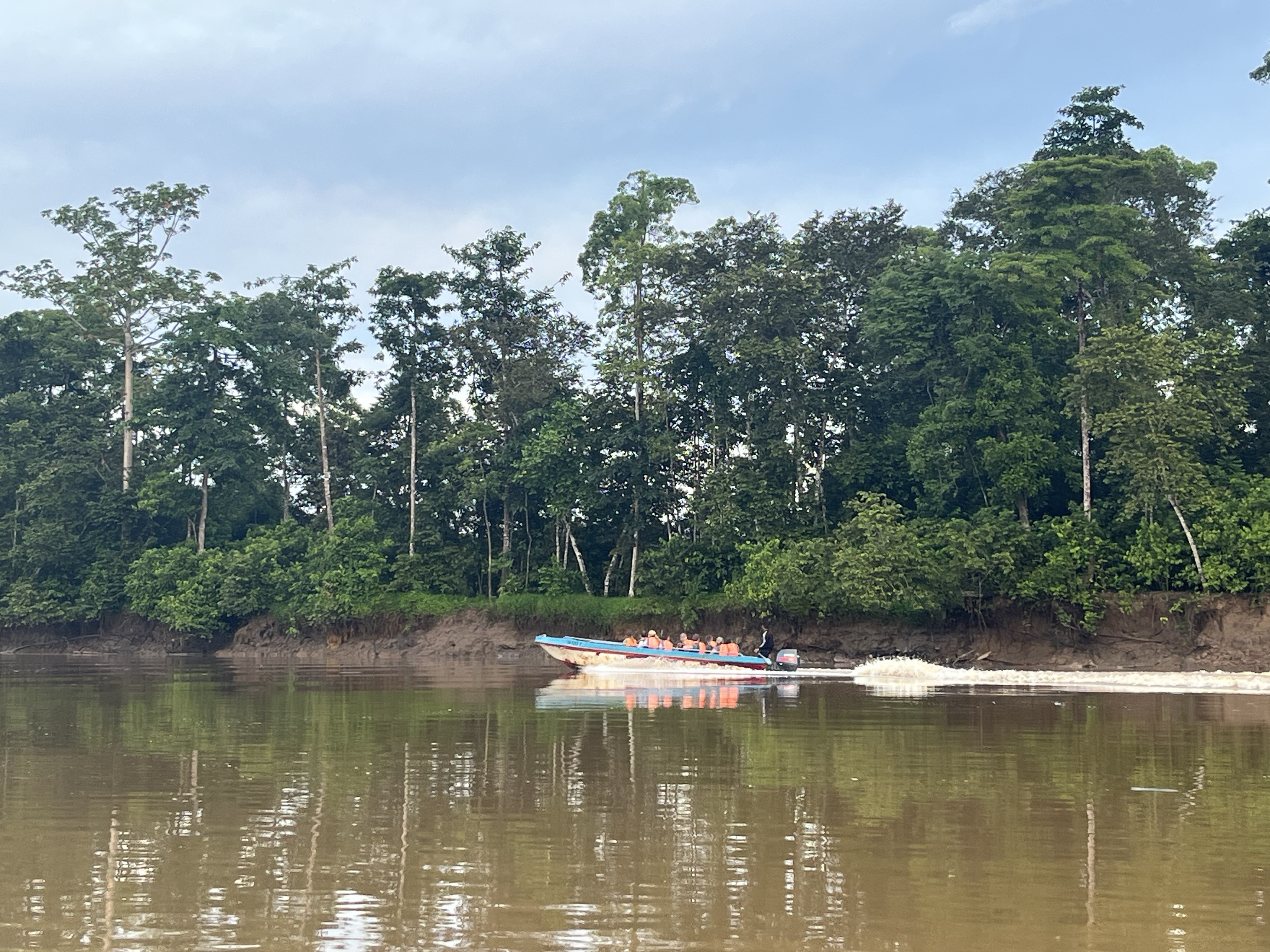
Borneo is so big that it’s hard to get a grip of what is really going on and so maybe the tiny bit of the north that we did see isn’t representative of the island as a whole, but I suspect it offers an insight to its future direction. Kinabalu National Park, for a guess, has more farmland than forest and our five-hour road trip east to a lodge on the Kinabatangan River provided endless views of nothing more than palm oil plantations; this only ended 10 minutes before reaching the riverbank and where we would begin our safari. Despite the shocking lack of rainforest it was still disappointing that we would only get to spend 18 hours or so at our riverside lodge and made more so by the surprising amount of wildlife we got to see from our two boat safaris. The first such safari took off at 4pm where we got to see a couple of huge crocodiles, many monkeys, and a good selection of birds. However, being out on the water in a boat two people wide, the boatman keeping us out as late as possible, the cool evening air as we pelted down the river with the sun setting behind the trees, that was the experience to put a grin on my face. Back at the lodge, after dinner, we headed out for a little night walk with most people terrified of possible attack from leeches with even the guides dressed up like beekeepers. Me being me forgot even to put on long socks, not that it mattered as no leech related incidents materialised. We did see a civet though. This is a cat-like weirdo of an animal, elongated with the shape of an anteater, yet less fat and fluffy and with markings similar to that of a tiger or zebra (!?!). Even better, because I wasn’t fretting about fire ants and leeches I had kept pace with our guide at the front and as a result got a good few minutes alone with the civet before the inevitable mad commotion of everyone else attempting to get a picture and chasing it around in circles. The following morning, back on the water at 6am yielded yet more good wildlife spotting where we immediately saw an orangutan about 1km away (take what you can get), more crocs, hornbills, and several monkeys with their willies out on full display. So despite my early grumblings about palm oil, wildlife was hanging on, just.
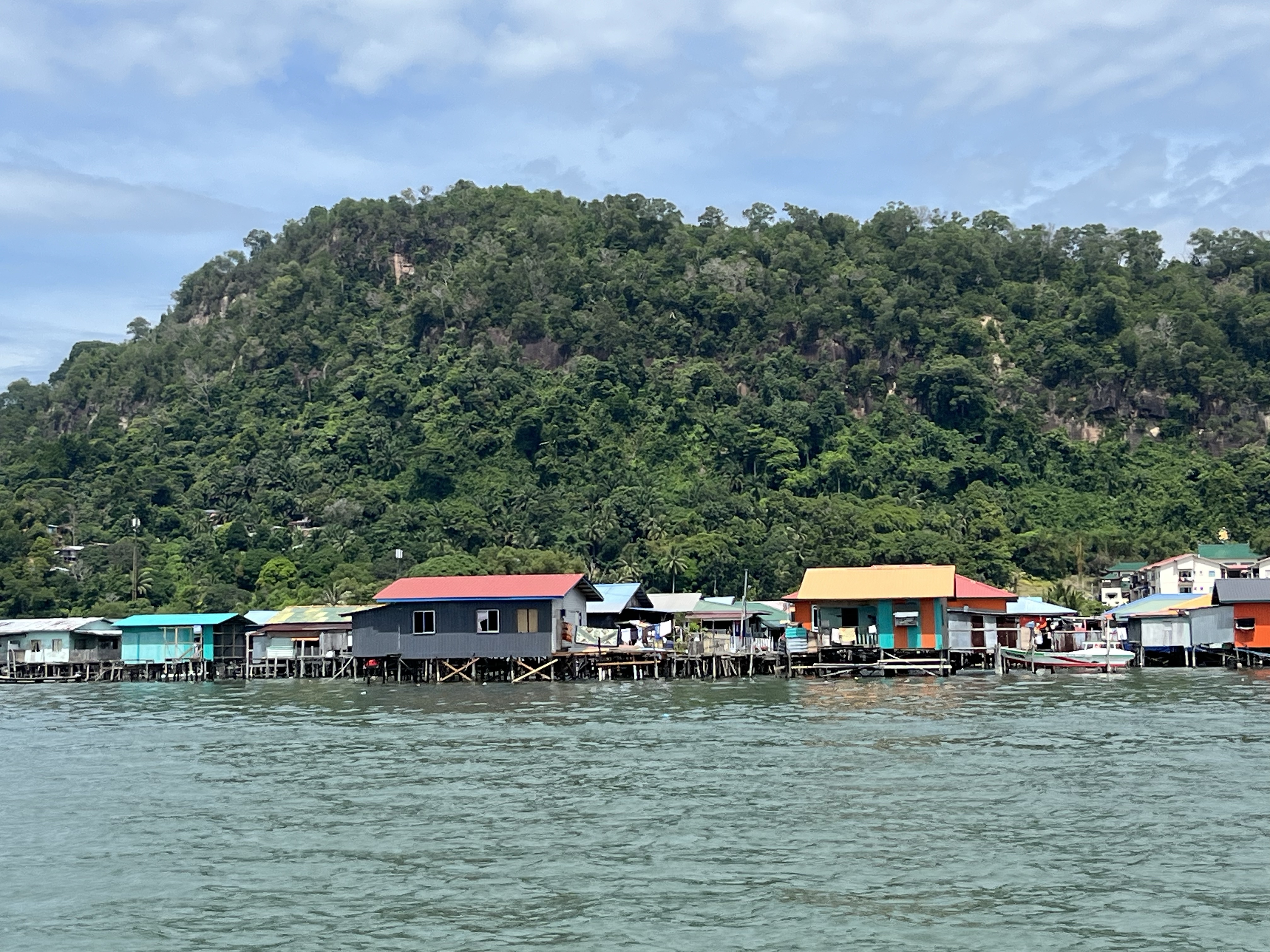
Before continuing the wildlife theme it’s worth remembering what humans can do to themselves, never mind the natural environment. On arrival to the town of Sandakan we visited a war memorial dedicated mainly to Australian soldiers but also with a nod to the British. A prisoner of war camp used to sit at the site during Japanese occupation in WW2. As the war drew to an end, the Japanese thought it a good idea to march around 1,900 POWs across 260 kilometres of jungle tracks. Originally around 2,000 Australian and 500 British troops were held at the POW camp. Only six survived.
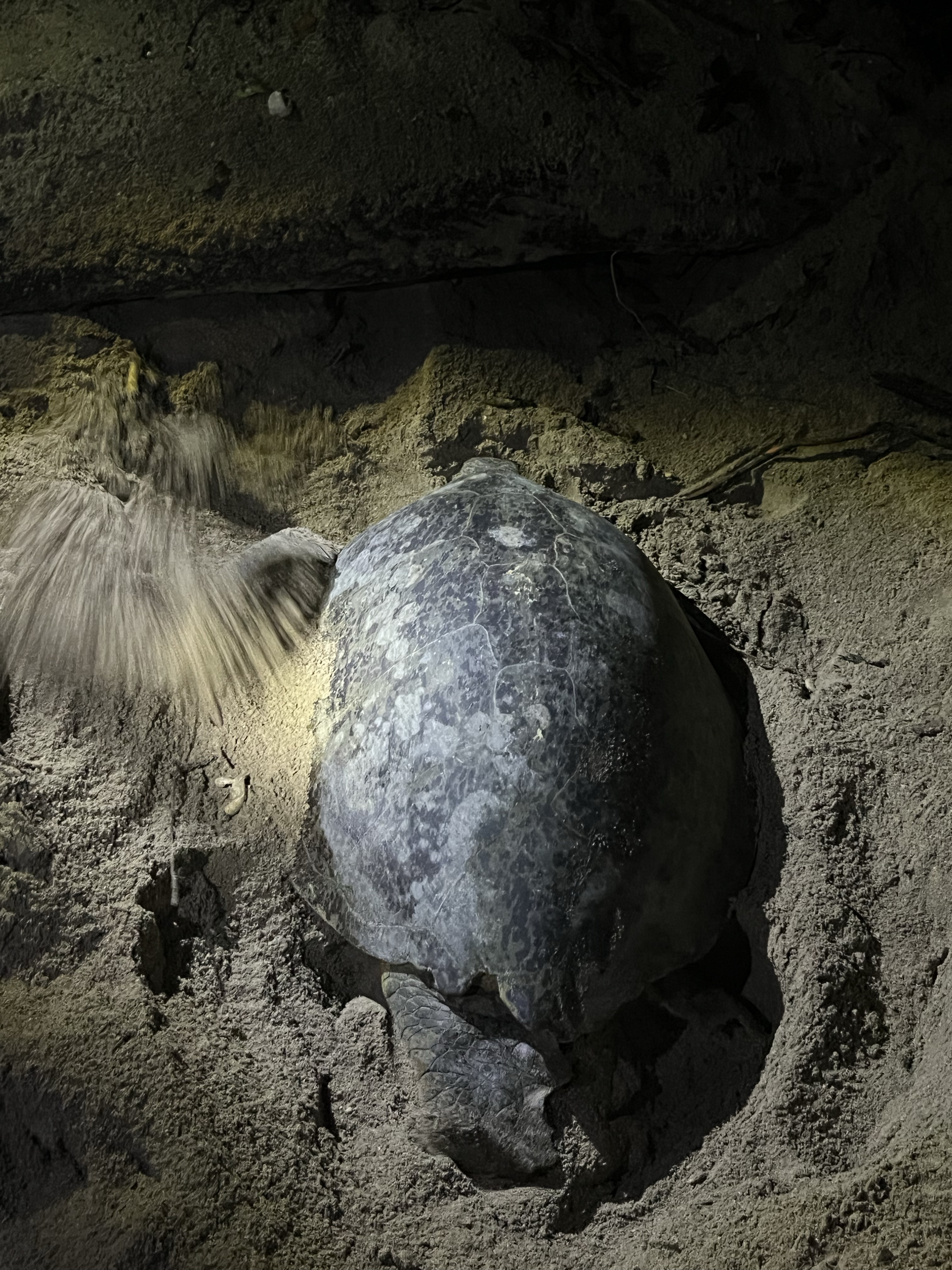
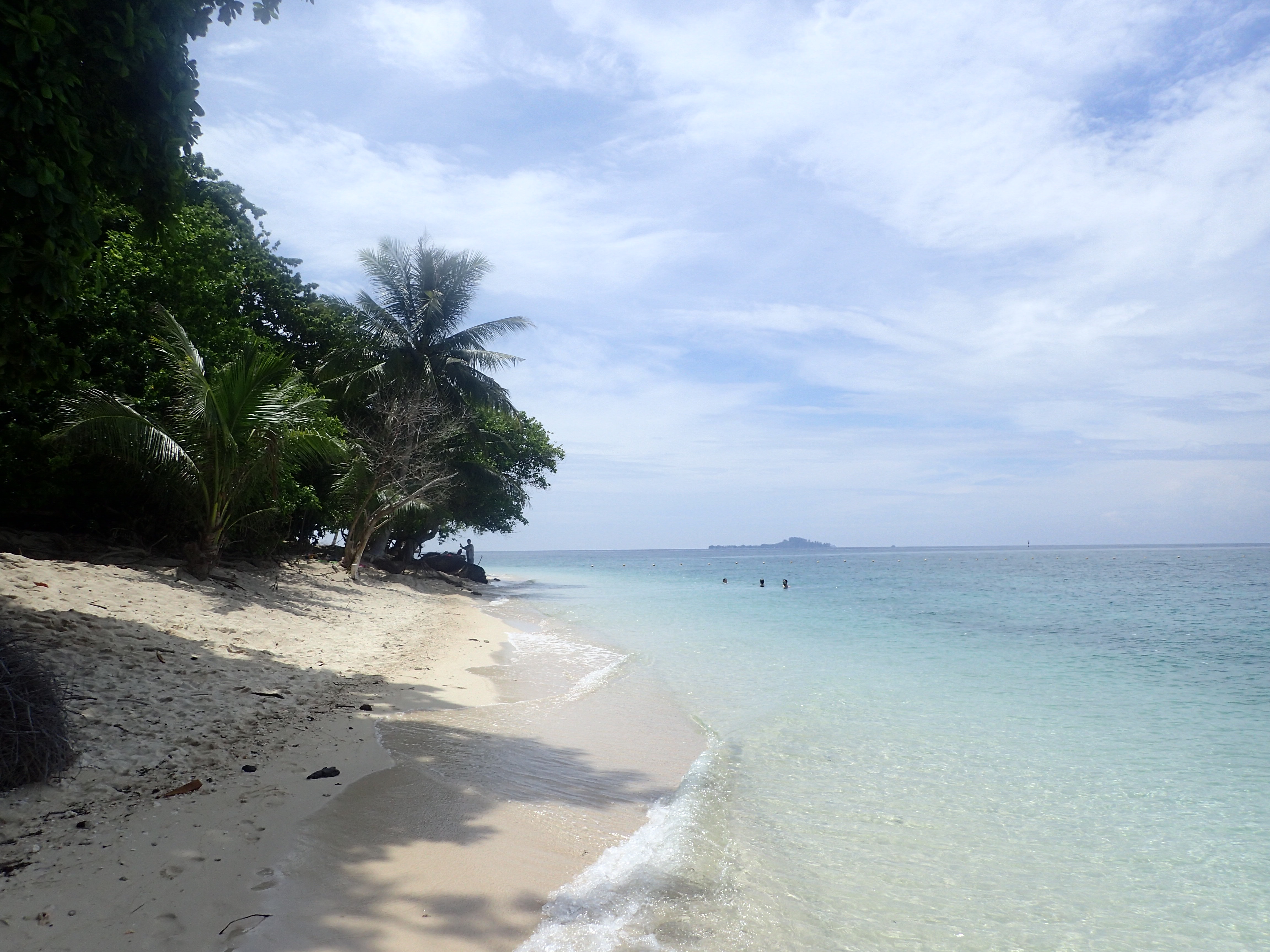
From pure evil to necessary evils, in this case Turtle Island. Part of a small group of islands sat between the Philippines and Malaysian Borneo, Turtle Island is a protected habitat for turtles. They make a great deal of this, going as far to show us a tourist information video detailing all the protected areas in and around Sabah. They are very proud of their efforts even if they fail to realise the size of the national parks is miniscule compared to that of commercial activities on land and sea. A second video was then shown detailing the turtle conservation work. We were there to pay the bills, as is the way, and in return we would get to see a turtle laying eggs, which would then be collected and buried in a hatchery, and then finally we would get to see some hatchlings released into the sea. This we duly did, along with 50 other people that evening. After we had all departed for bed, a total of 40 turtles had come ashore overnight to lay their eggs, and as already described, all were taken and put in a hatchery which would help to improve the success rate of live and healthy hatchlings. A lot of hard work was going into this, but fishing fleets could easily be seen near to the island, plastic littered the sea, and boats with their propellors delivering tourists daily to the island are an ever-present danger to the turtles. Watching the newly hatched, only hours old but with apparently enough strength to pull down walls, making a charge for the sea is truly remarkable and at the same time heart-wrenching as most of them will be dead within days. Doing something is probably fractionally better than doing nothing at all but sometimes I’m not so sure.
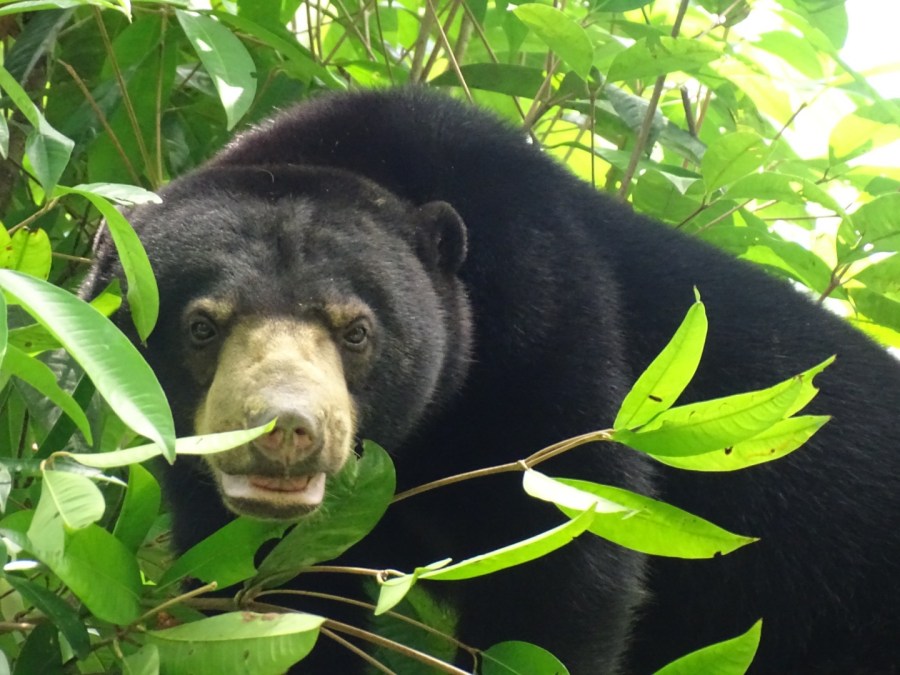
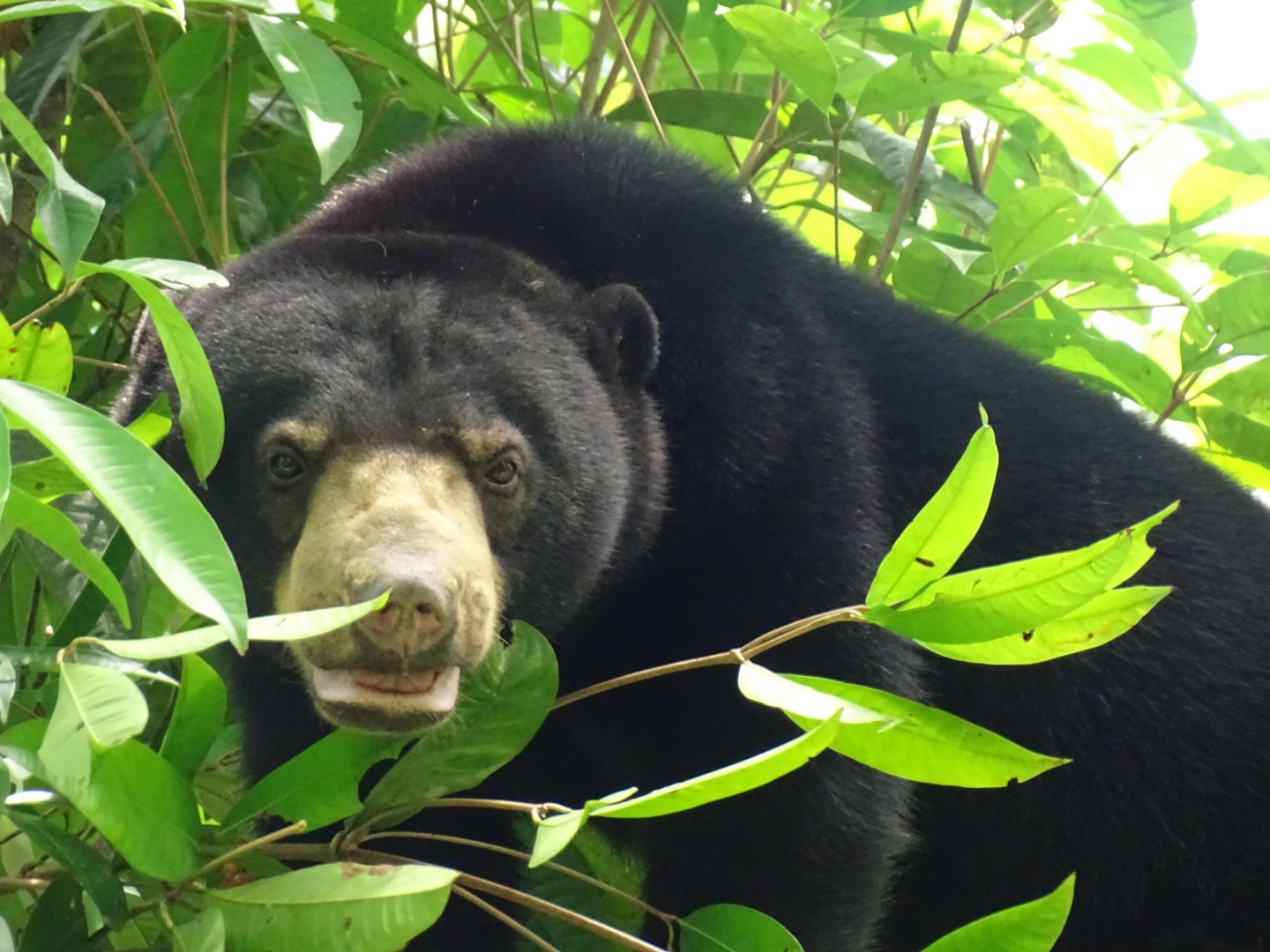
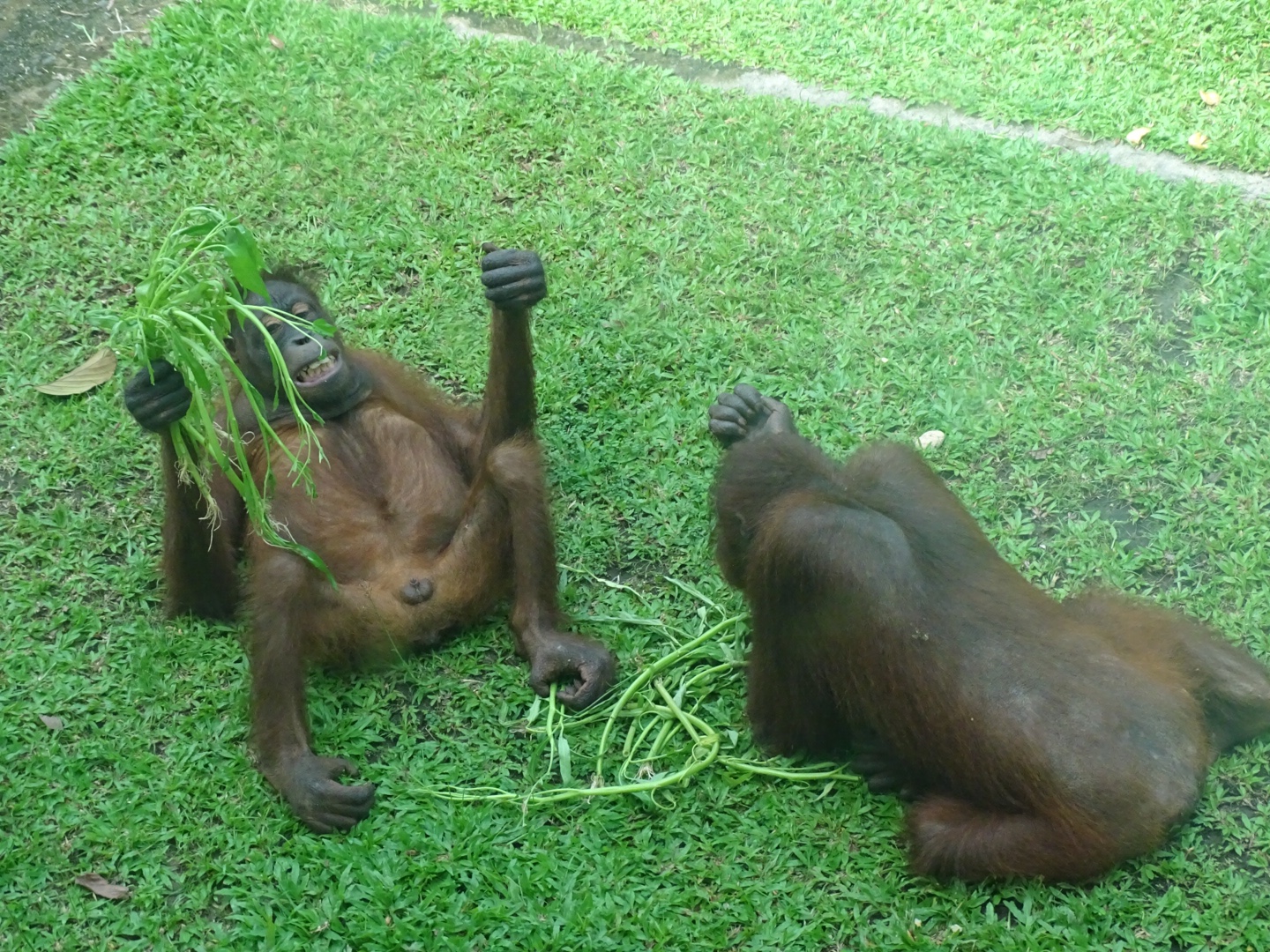
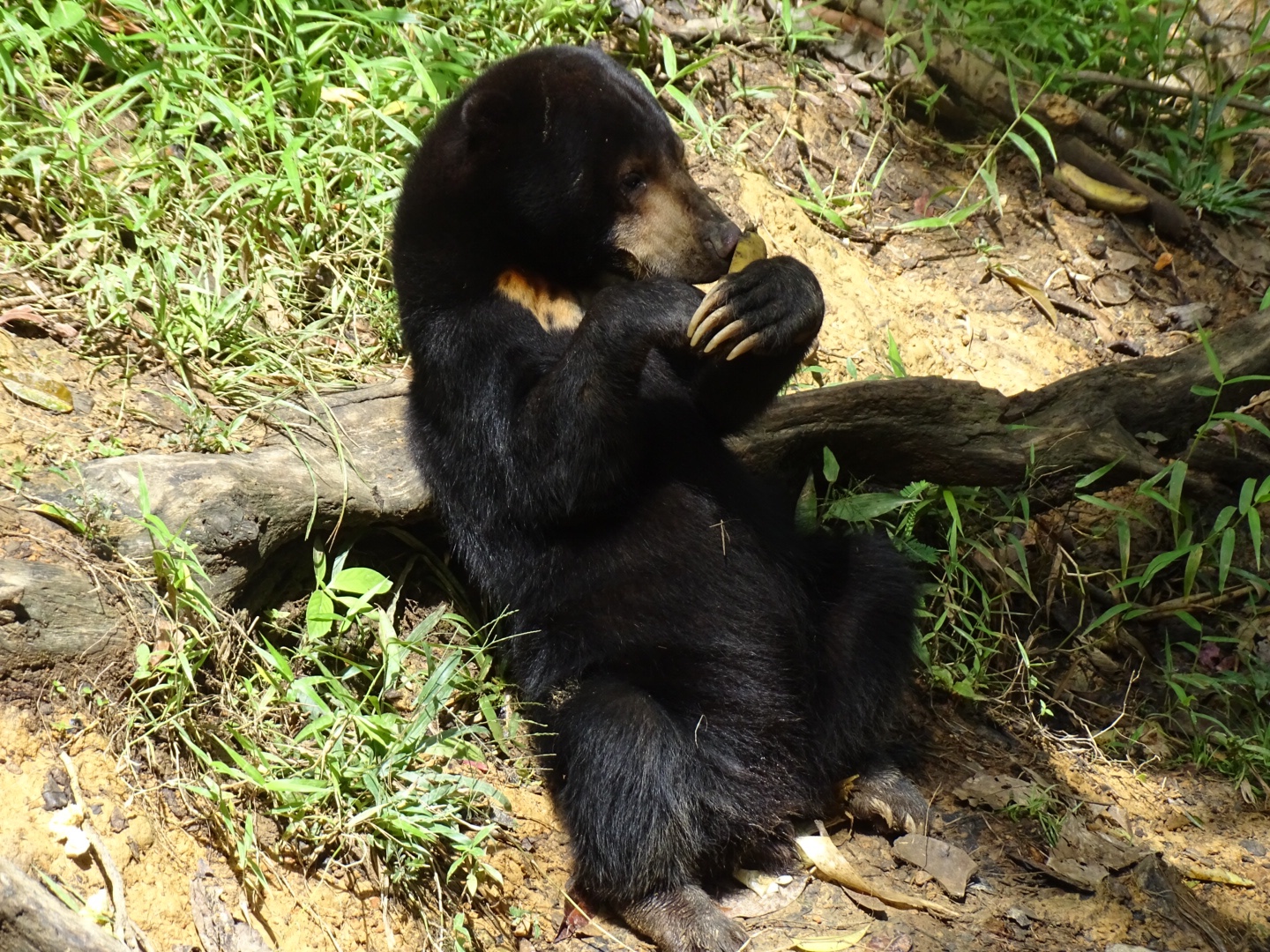
As if to reinforce my previous statement, the orangutan sanctuary we visited was a bit of a joke and the sun bear sanctuary next door even more so considering it was sponsored by one of the huge palm oil companies. I have little doubt that throwing a bit of money towards a sanctuary is far cheaper than being environmentally responsible and of course can be used as great publicity considering few care of the irony. The one benefit of the sun bear sanctuary is that I got to see some and by gum I loved every moment. They are the smallest available bear should you wish a bear for Christmas and tick every stereotypical cuddly bear image you can think of, complete with playful grin and innocent eyes. I could have watched them for hours. As for the orangutans, the sanctuary was largely open which allowed them to come and go which assists rehabilitation. We arrived for feeding time along with 200 other people only to see no orangutans. A few juveniles in the nursery made up for things a little although that was behind glass preventing even a decent picture. I think I just get angry about such places because we shouldn’t need them and we should be able to visit such animals freely in their natural habitat. Well, put me back in my box, because we saw just that the evening before leaving Borneo. We were off to see a flying squirrel which itself was more than impressive, one for the distance it can glide, and two for its impeccable timing at putting on a show, always around sunset as it heads out for the evening. On the way to this event we heard rustling in the trees next to a hotel and sure enough an orangutan and her youngster were rummaging around, lurching from one branch to another. More or less on an urban street, this was the last place we expected to see an orangutan but there they were, putting a smile on my face despite my best efforts to write off mankind.
Check out the tour here.






 Trig Tales