Ankasa to Nzulenzu – Ghana
It was good to be back in an English-speaking country despite being mildly electrocuted by the Ghanian fingerprint scanners at the border. Apparently, they aren’t sweat resistant despite the humidity not allowing for anything other than sweaty hands, nay sweaty everything. And I know saying I was happy to be back in an English speaking country in Africa – or anywhere for that matter – is in very poor taste these days and represents a terrible deep rooted colonial attitude but, as I am unable to even understand the language of my neighbours, who, incidentally were also a major colonial presence in the region and the language that had dominated for the past few weeks, I refuse to lose much sleep over such remarks. Basically, if I could speak French, it would have made for a more enriching experience, but the history still remains. Therefore, to be politically correct and respect local culture I need to be able to speak around 80 different languages in Ghana, similar to the number in Cote d’Ivoire. If I want to achieve my dream of travelling the whole of Africa, I need to learn 3,000 languages. I’m being pedantic and it’s born from the frustration of not being able to easily pick up a new language while people that can walk around all high and mighty, no offence intended. If I could master French and Arabic that would be a big step forward. But then there is Portuguese, and besides, I still can’t speak or understand Spanish with any great ability, a language I’ve been learning for five years and is almost irrelevant in Africa.
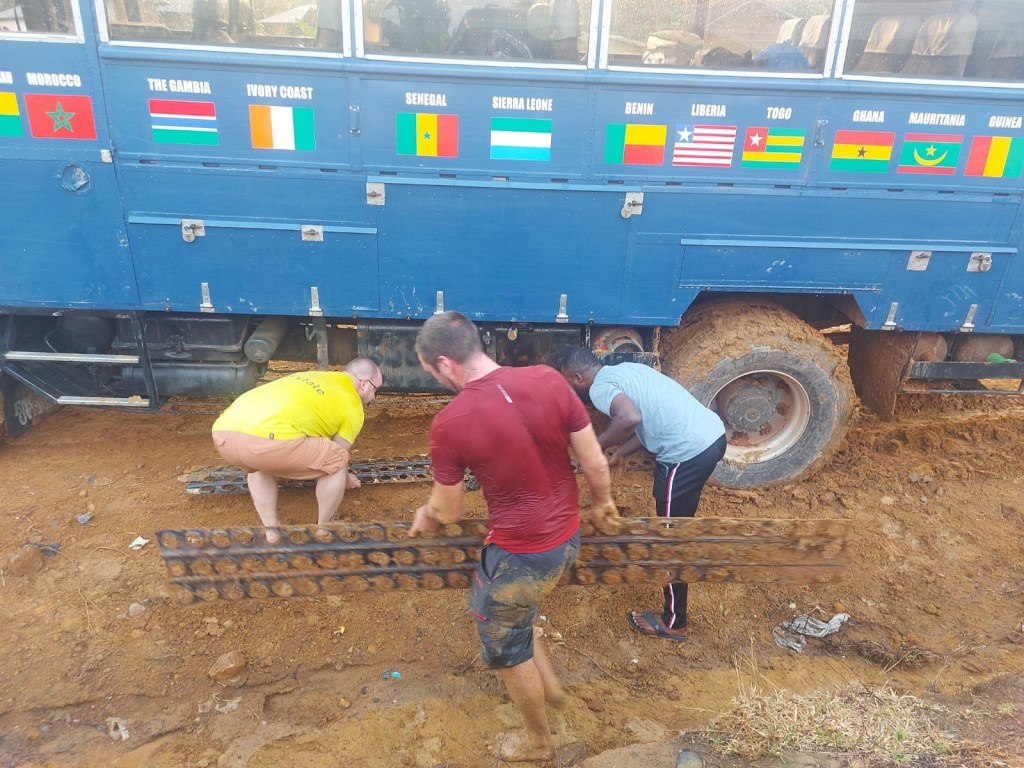
So, Ghana. My first observations are that there are speed bumps everywhere, although judging by the wrecks on and off the road, they may be making things worse. Meanwhile their taxis can be uniquely identified by their yellow wheel arches. The car can be any shape, size, and colour, but the wheel arches are always yellow. Our first stop would be in the Ankasa Conservation Area, a rare patch of nature in the region deemed worthy of protection. For the entire tour I have complained of good roads, but as the truck spun out on the smallest of gradients on a dirt road during a shower of rain only two kilometres from our campsite, I had my chance to do some proper overlanding. It was hardly the stuff of early pioneers. We simply had to get the sand boards laid down and keep faffing about until the truck was pointing up the hill and not threatening to slip into a ditch. However, it still took a good hour of paddling in the mud in my bare feet (flipflops kept getting stuck), wielding a sledgehammer and shovel, and sweating an unhealthy amount. It felt good for two reasons. Firstly, it was good to be doing something physical and secondly, I was one of only a couple of people that got stuck in while everyone else just watched – I like to think – in awe and wonder of me actually being useful and not just the drunken truck clown. I had had several conversations over the disappointment of this tour being too easy and not the adventure I had hoped, and people now sought to suggest that after a taster of what I wished for, maybe I wouldn’t want to experience it every day. No, not every day, I’m not mental, but a few tough days on the road would have been a unique experience in today’s world of travelling.
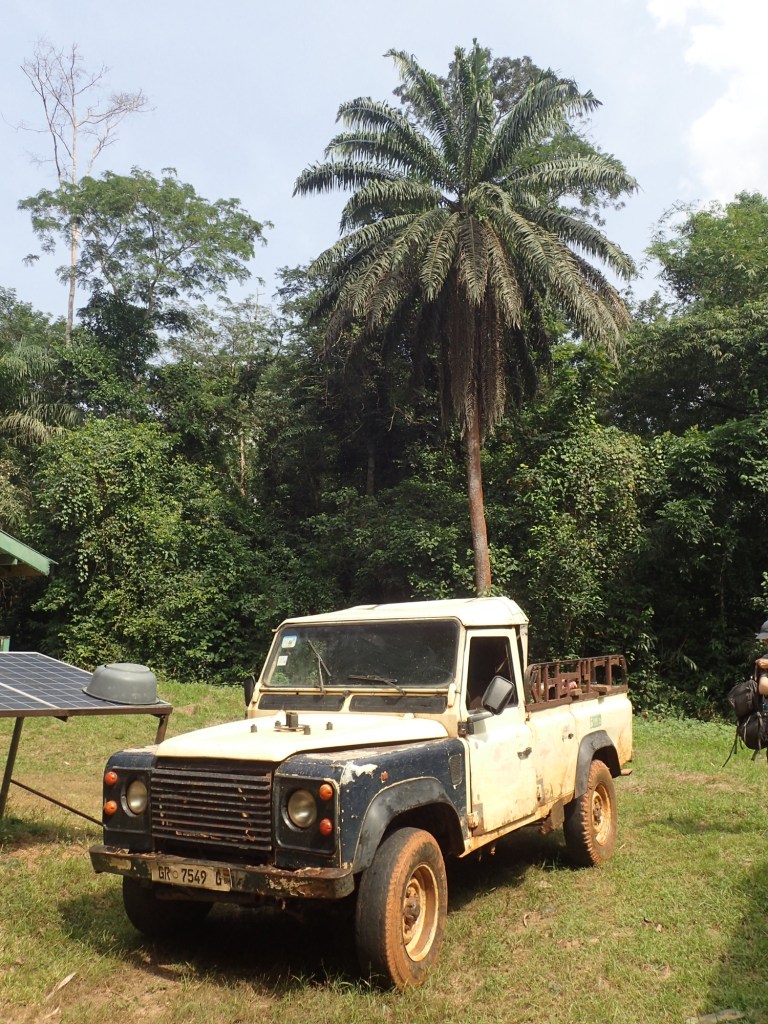
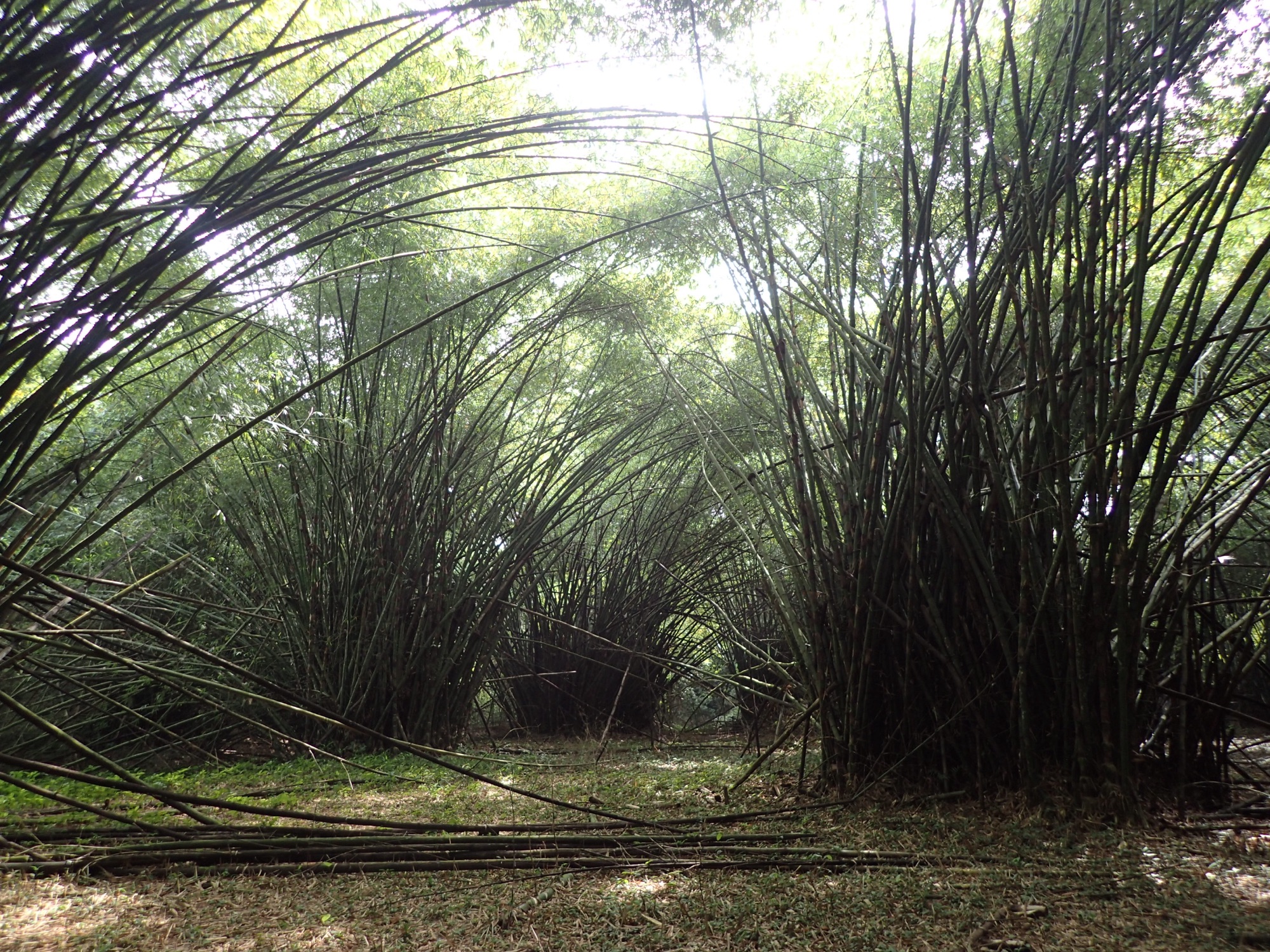
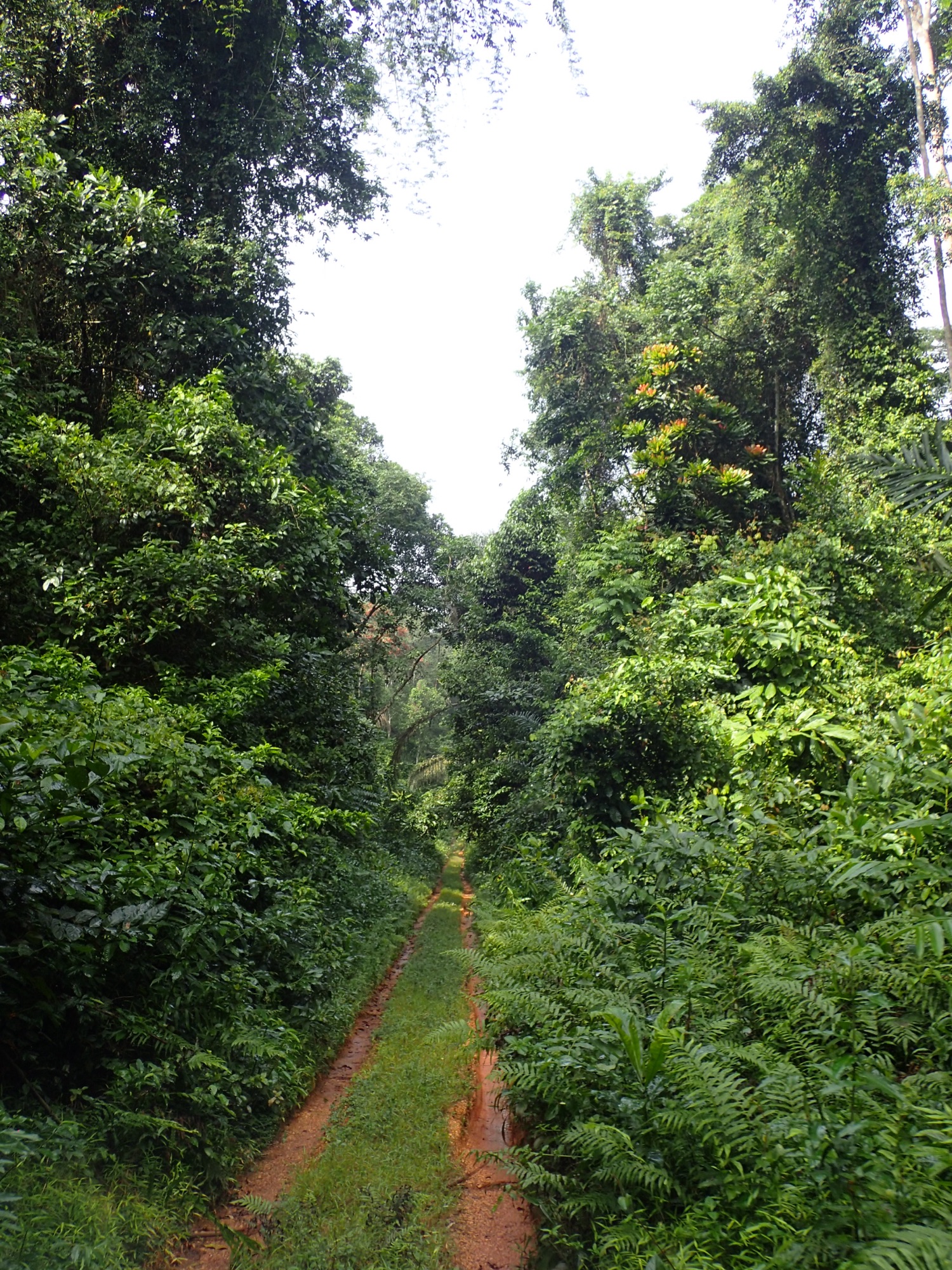
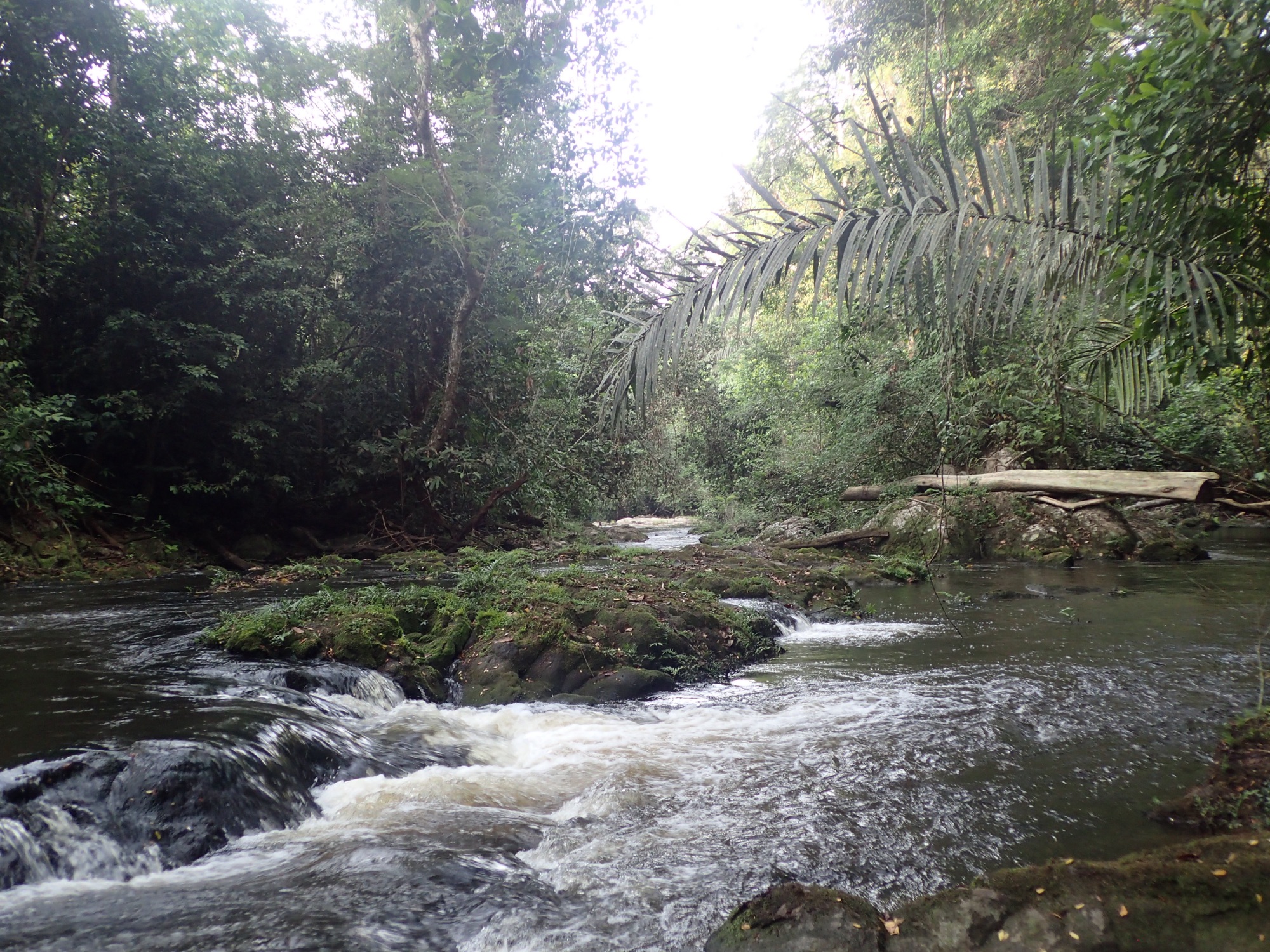
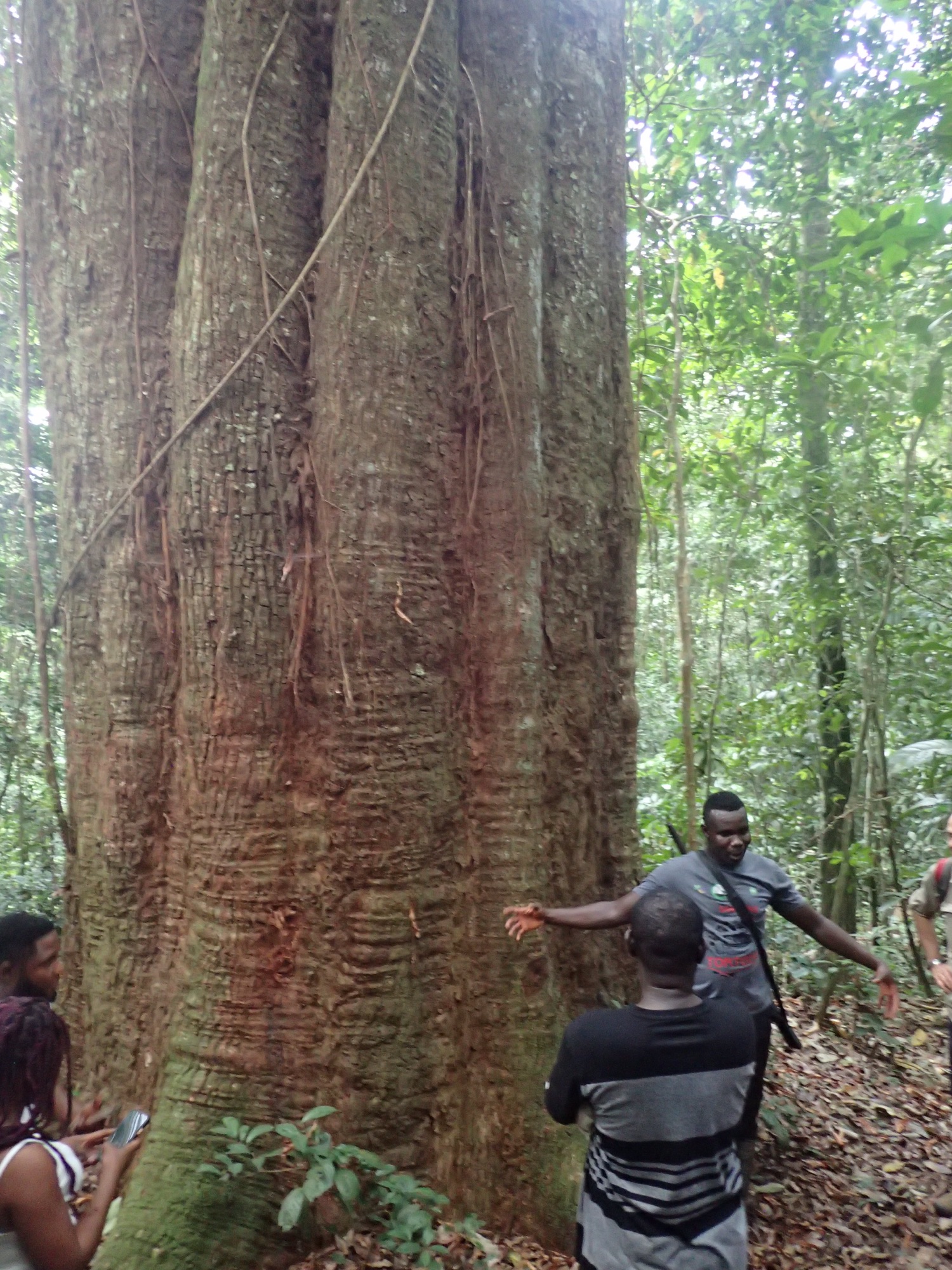
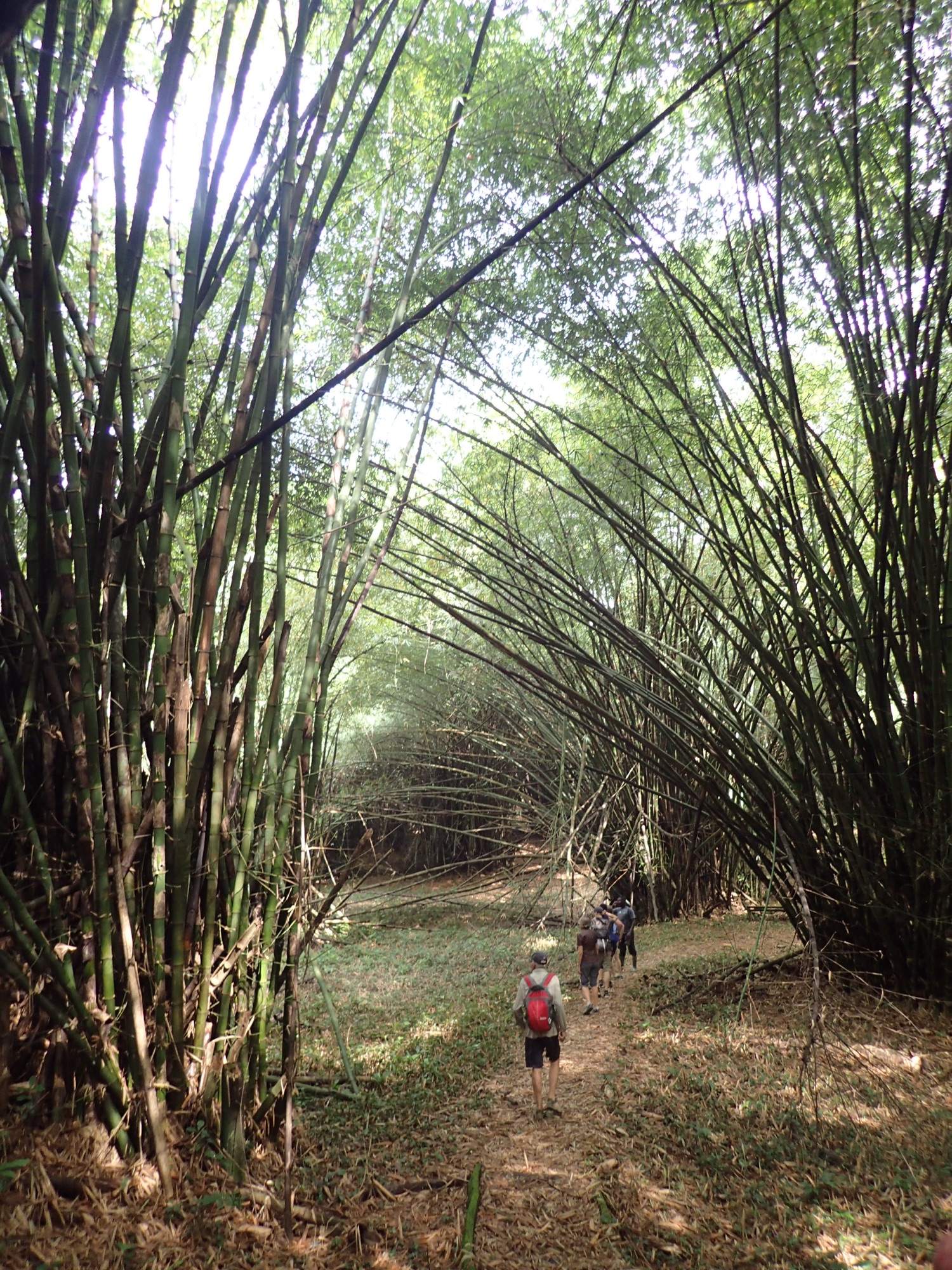
The following day was New Year’s Eve, and we had the opportunity to head out into the national park, although we would have to split into two groups due to the lack of appropriate transport. The majority were keen to go in the morning to avoid the forecasted thunderstorms in the afternoon and, to get on the beers. In such scrambles I find it easier to sit back and make do with what’s left, and, on this occasion, I enjoyed a free morning around camp before heading out on safari in the afternoon. At 1pm the second group piled into the back of the shell of a Land Rover and we bounced down a muddy track and into the forest. Our first stop was a bamboo forest which was unexpected but nonetheless impressive. We then embarked on a 90-minute trek, passing giant snails, and crossing streams until arriving at our target, a huge tree. It was mighty impressive, but always difficult to gain any kind of real perspective. As we stood staring up into canopy, drops of rain began to land on our faces, rumbles of thunder could be heard in the distance and we expected the worse, but nothing more arrived. We turned for home, but our guides asked if we’d like to visit a river for a swim before the light began to fade. Thankfully the entire group were up for it. We drove on, jumped out for another 40-minute trek, and enjoyed the cooling river water. Ghana was proving to be very rewarding for me and I returned to the campsite extremely happy with the afternoon, and even more so when we heard that the campsite had been the place to receive a torrential downpour and not us. The evening deteriorated from then on. The morning group were already in fine fettle and keeping our hosts busy providing a steady flow of cold beers. The cook group were in the process of cooking a dish so hot it would make Vindaloo taste like spaghetti bolognaise, and I just sat back and slowly eased into the fray. I always find NYE a weird night and this was no exception. We peaked with a kettle full of rum, as shots of rum from a kettle is far superior to a cup, we counted down to the new year, and I went to bed around 12.30am believing the night was over. Apparently not. In a sheer act of blatant terrorism, I was awoken 45 minutes later from a deep slumber by Amber, a little like when an alarm clock frightens the life out of you when only seconds earlier you were dead to the world. I wasn’t happy and rebuffed the request to return to whatever it was my presence was required for. Ten minutes later Jen turned up and through a combination of me already being awake and the presentation of a beer I had little choice not to leave my tent and return to a party that I had managed to completely bypass for some unknown reason.
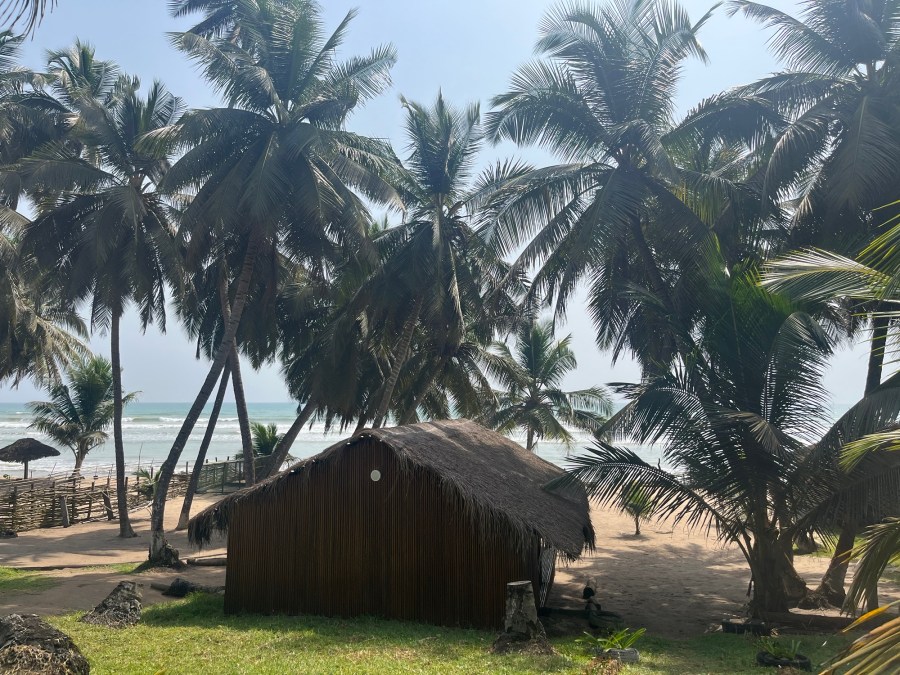
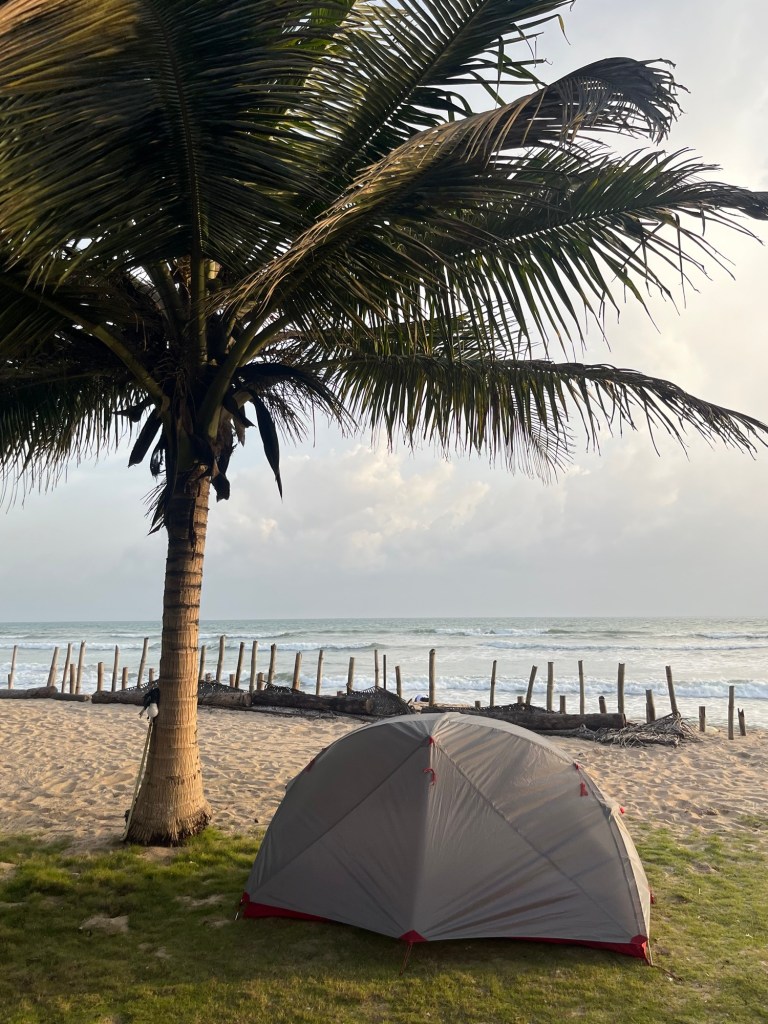
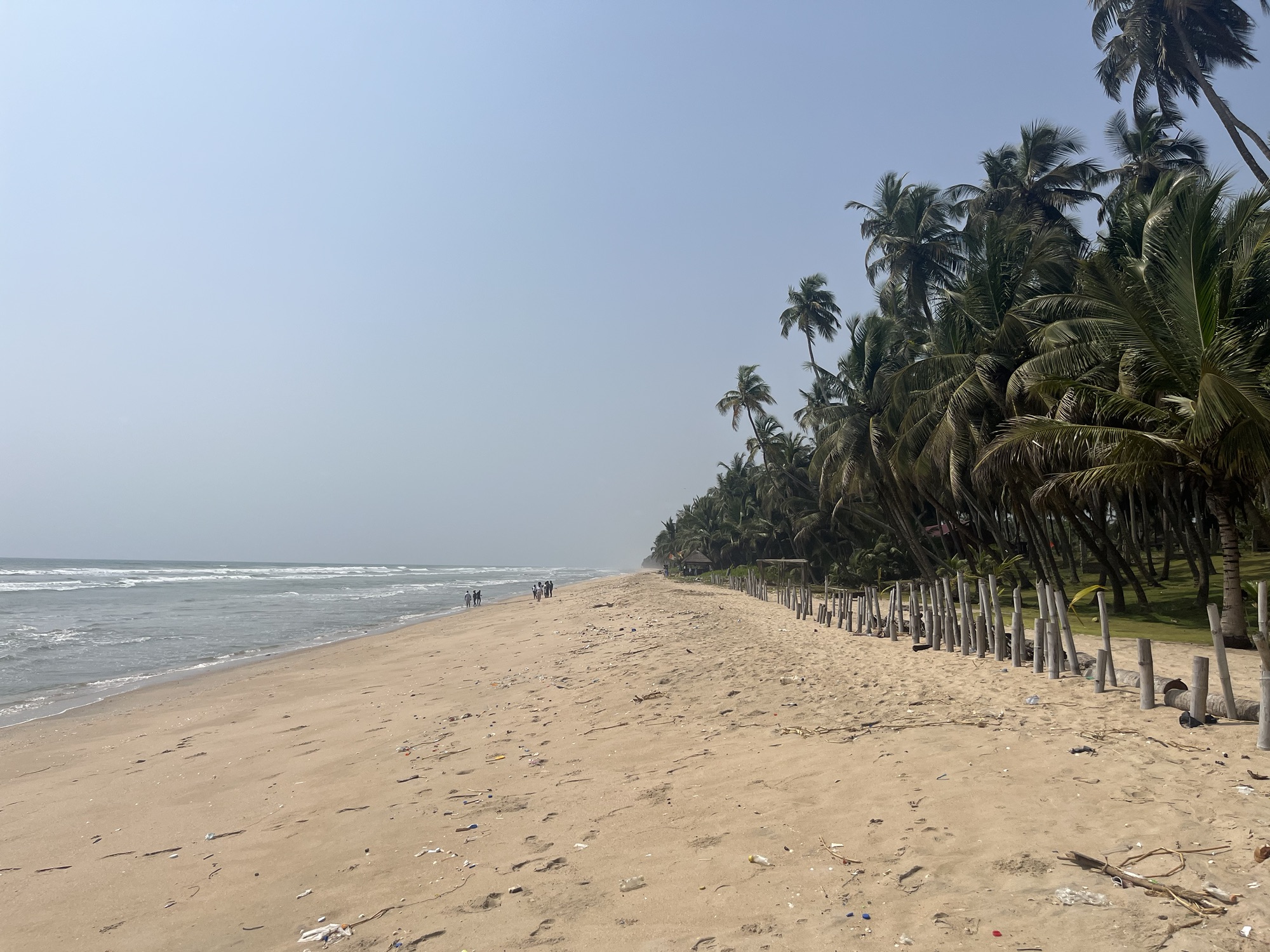
Next morning was tough, made slightly better by the fact that almost everyone was in the same boat. Our intention was to leave at 9am but as packing up progressed it became clear several things had gone missing during the night; a comfy camp chair, a phone charger or two. During the festivities the night before a few local young lads had joined in with the table football action. It turns out they hadn’t been as local as claimed. Our fiery hosts were quick to go down into the village and lead a shake-down until it was realised the culprits weren’t from the village, weren’t there, and besides, it wasn’t like they had stolen the wheels off the truck. By lunchtime we were back down on the coast and setting up camp in a very nice spot complete with a bit of green grass. With my tent overlooking the Atlantic Ocean, I spent a luxurious afternoon napping, reading, and generally enjoying the first day of 2024.
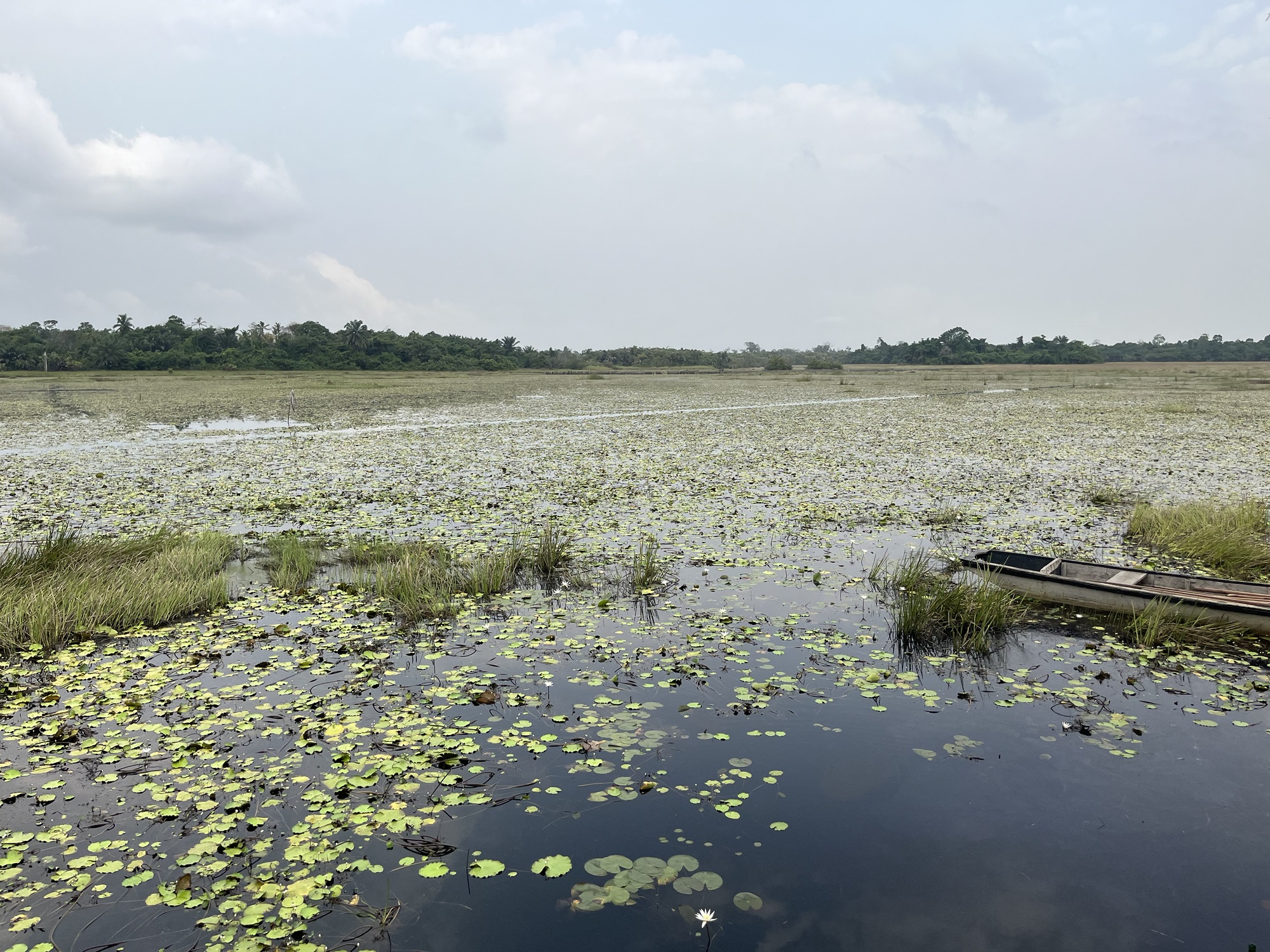
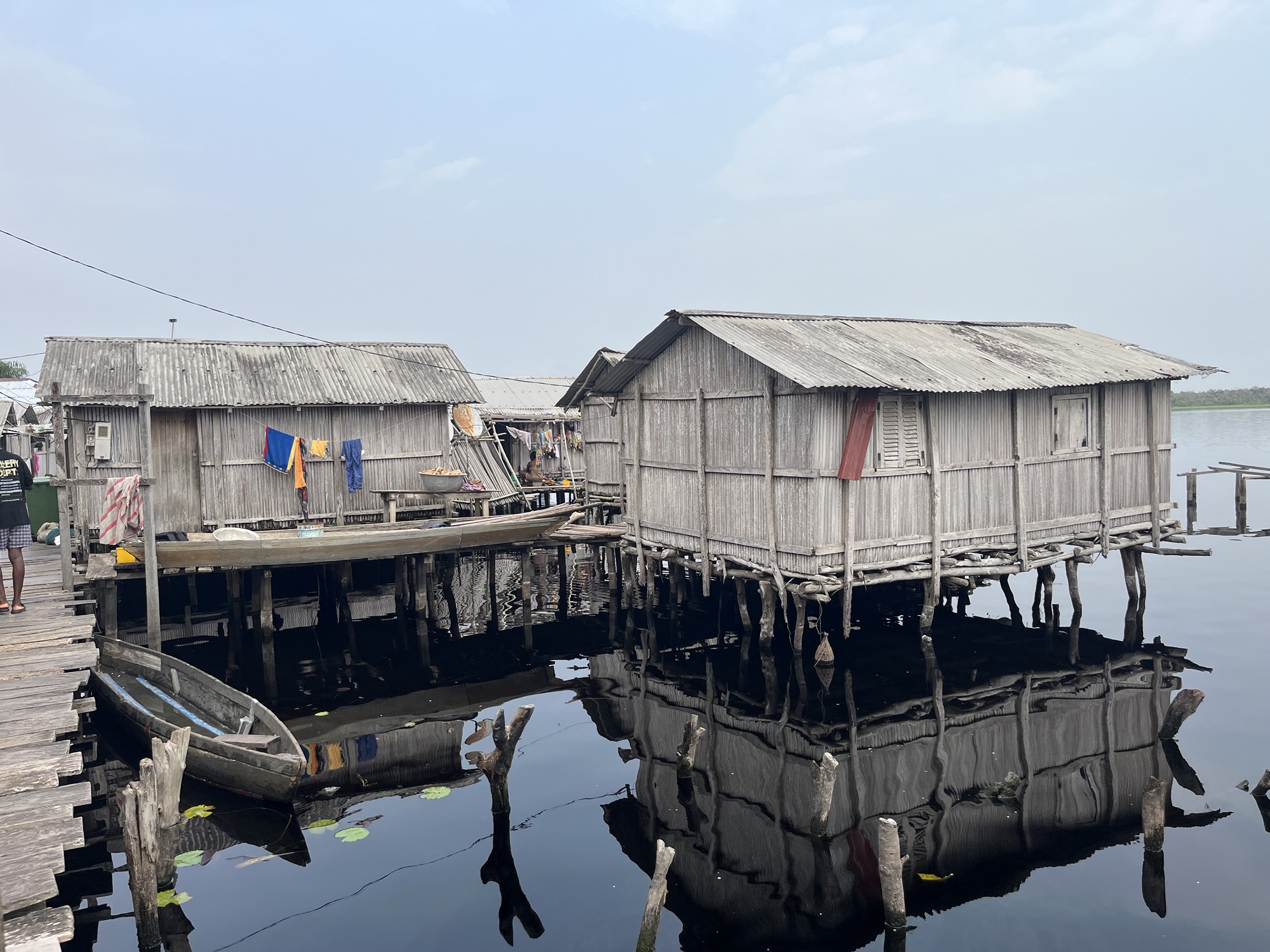
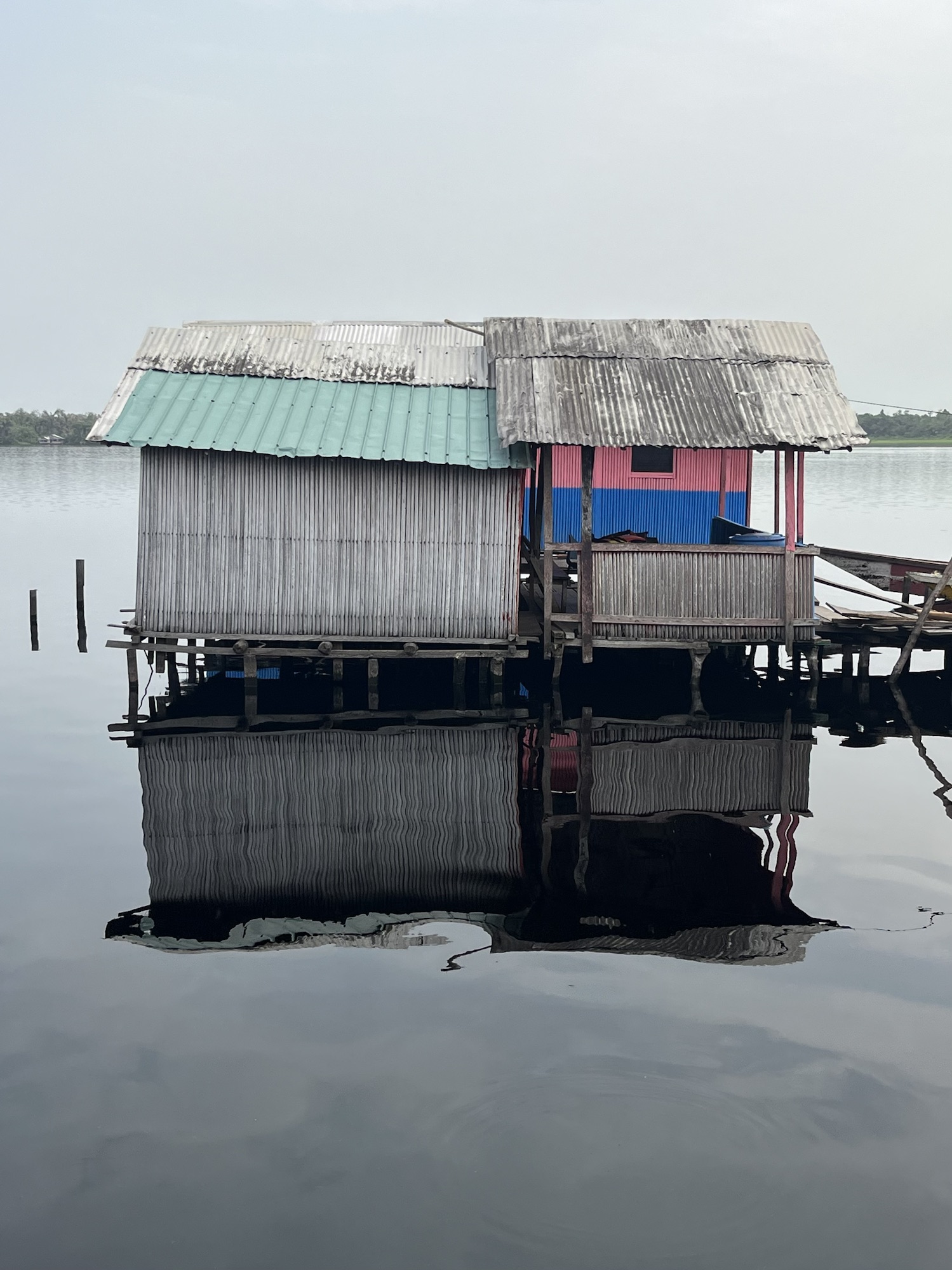
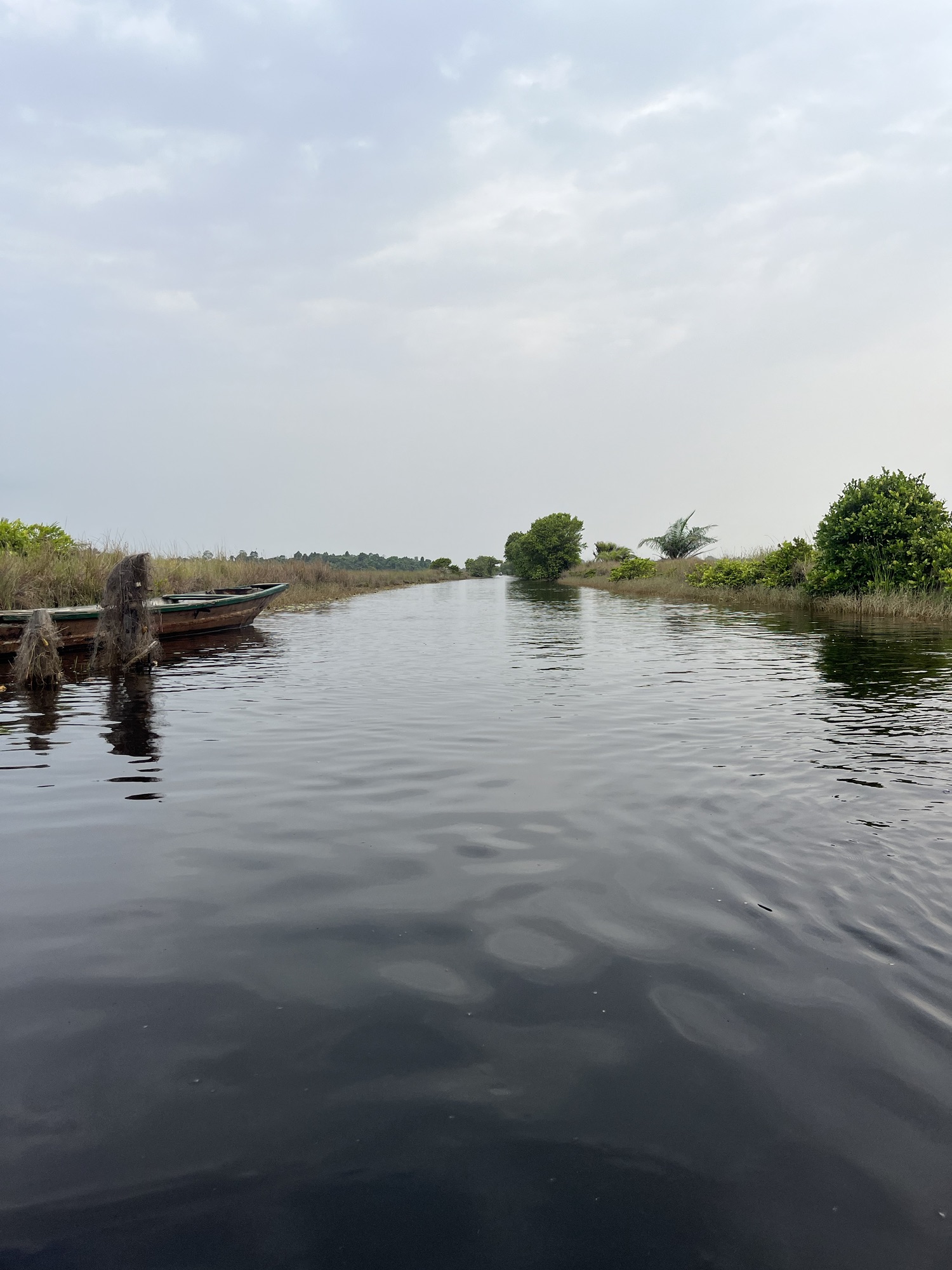
The second day of the year took us to Nzulenzu, a little village of 500 people built on stilts on the edge of a lake not far from where we were staying. The only way to reach the village was by boat, along a manmade canal that had been constructed through the surrounding wetlands and forest. From what I understand the village came into existence when people from the Mali Empire migrated south in search of a safe haven. Although the lake is only 5 kilometres from the ocean, the surrounding forest provided protection from sporadic attacks. Why the village was built out from the land and over the lake I have no idea. Today, as the village struggles to maintain its population with youngsters heading to the cities, it has increasingly opened up to tourism. Ghana is ahead of the game in West Africa when it comes to tourism as we would increasingly learn. Here at Nzulenzu, we had to pay to get there, pay to enter, and then asked for tips to support the school after a quick history lesson in the communal hall. There was then of course the usual assortment of craft stalls although maybe not quite to the standard of Lake Titicaca just yet. This is of course standard practice and is a vital source of income to the village but ultimately, it’s the beginning of the end for the village as it once was. Tourism changes the psyche of a community and even a country as made evident when we crossed the border into Ghana. People, especially children, are far more forthright in asking for money. This is only ever seen in countries with established tourism. No matter the poverty of a country, begging and pushy street vendors only appear with tourists. Back in Nzulenzu we visited the school, a basic building with simple classrooms each furnished with a large whiteboard stamped with a sticker reminding everyone of the NGO kind enough to donate them. No doubt an act of kindness, but I would argue such acts can be done without having to make sure everyone knows about it, especially the very people you are helping. Moreover, I wonder if the school receives a regular supply of board markers from the doners in order to keep the whiteboards functional? Yes, I’m a cynical….
2nd January 2024



 Trig Tales