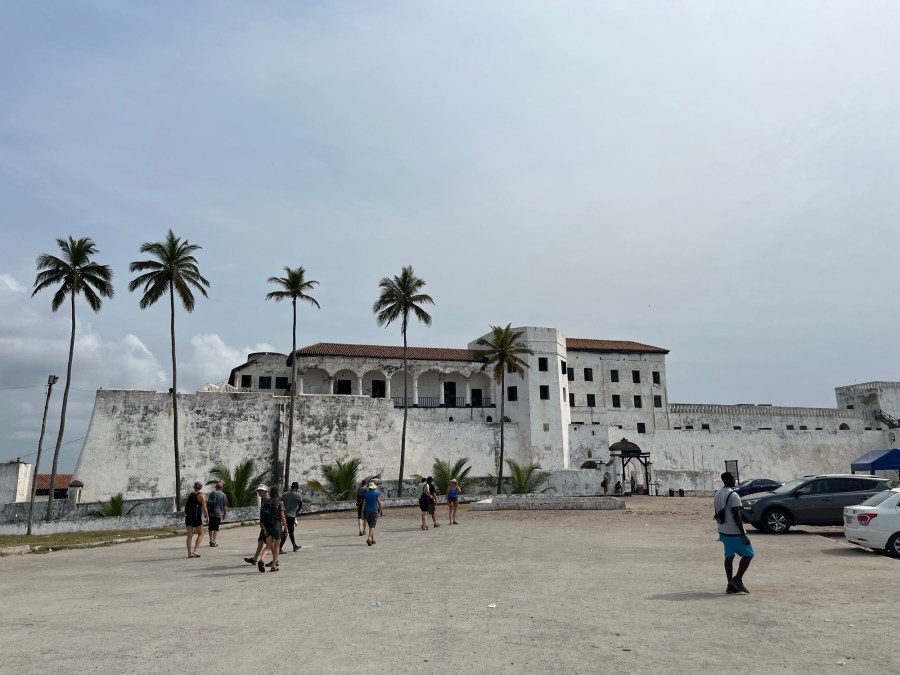
Cape Coast – Ghana
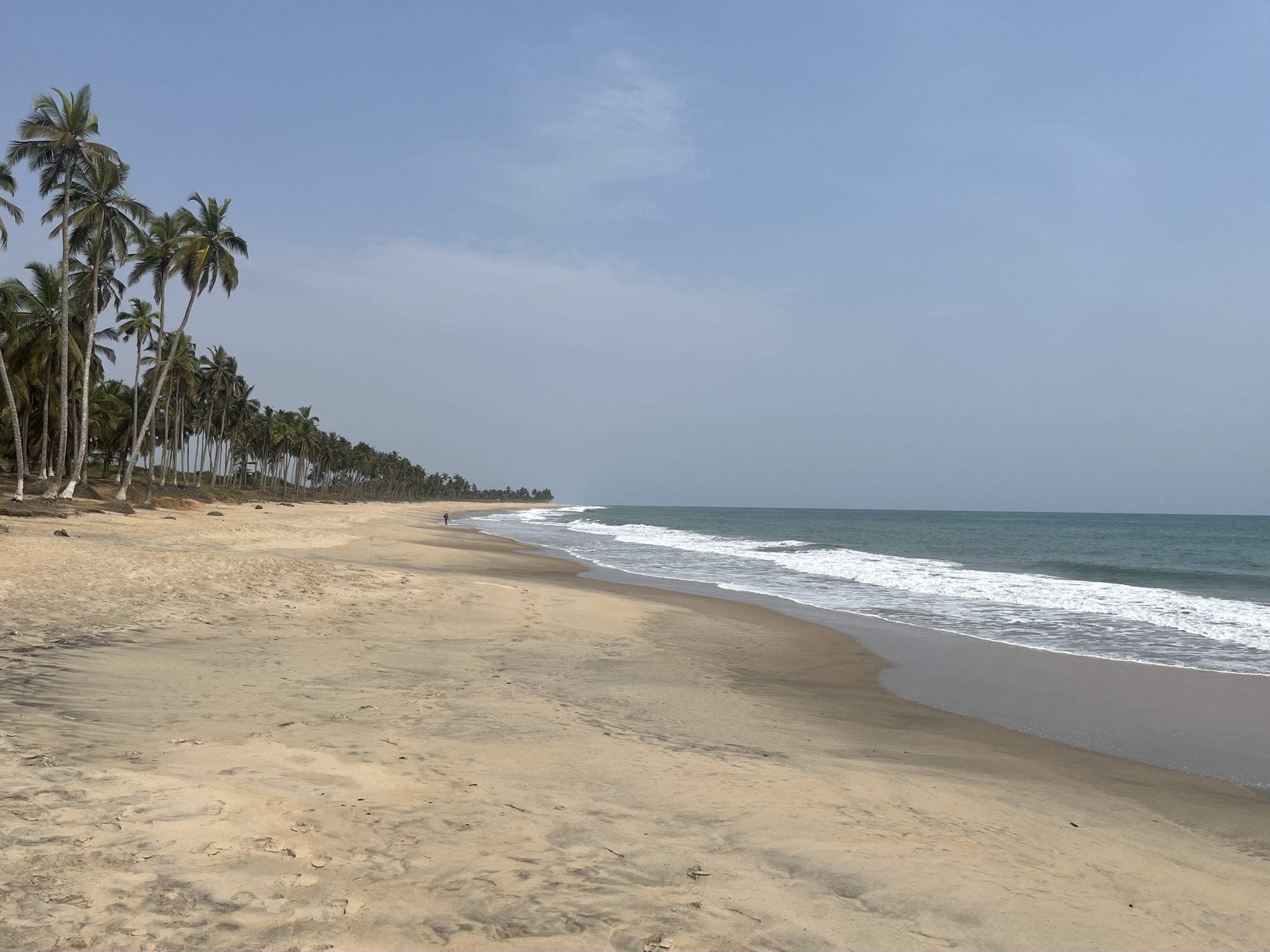
It wasn’t until we were heading out of the Brenu Beach camp for the day that it became apparent where we had spent the night, not that I should have been surprised by the scene that greeted us. A golden sand beach stretched off into the distance whether you looked left or right, palm trees offered a place to hang up some hammocks, the relentless Atlantic Ocean beat up on the shore. Locals got on with their day walking along the beach to wherever they needed to be, no one would stop to try or sell us anything or attempt to bother us apart from genuine pleasantries which of course were always appreciated. Arriving in the dark as we had the night before always builds a sense of anticipation as to how our surroundings would reveal themselves the following day, although I should not have been surprised on this occasion for the crashing waves gave away our location, and every beach I have been to on the West African coast has been nothing more than a picture of paradise. Indeed, Ghana’s colonial name was The Gold Coast, although named for the large amounts of gold that the region possessed rather than the endless golden sand beaches. Yet, as with anything, something – or even someone – expressing such divine beauty is usually acting as a smokescreen for something more sinister, and none more so than the West African coastline and the slave trade. That said, our day would begin with trees.
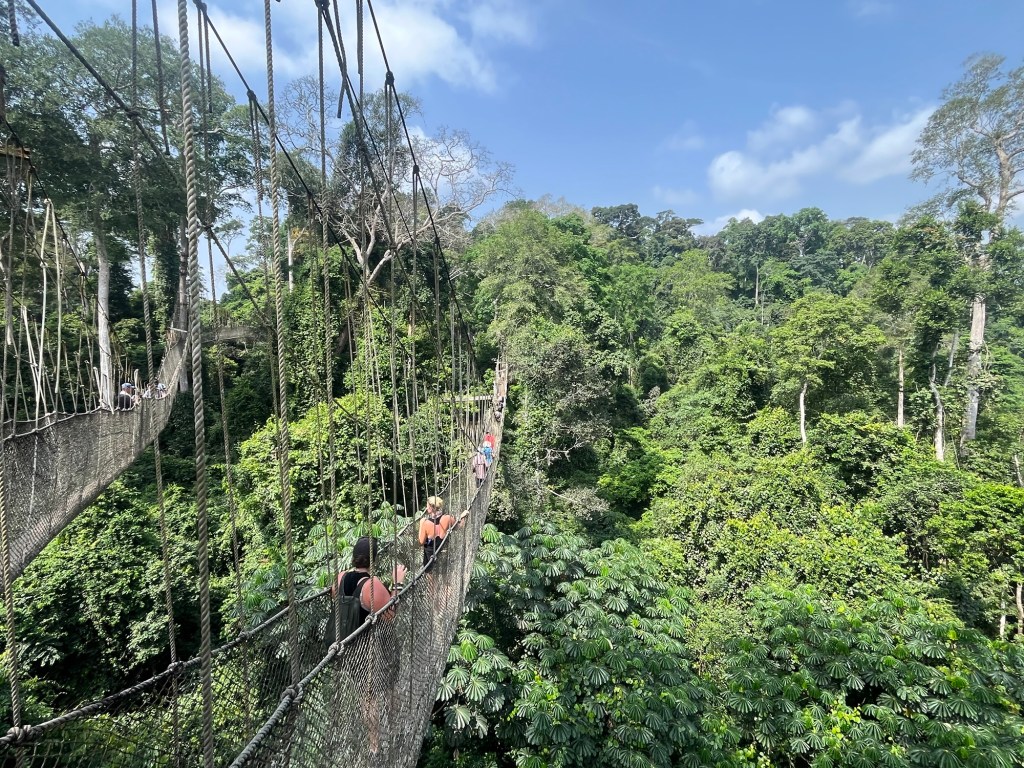
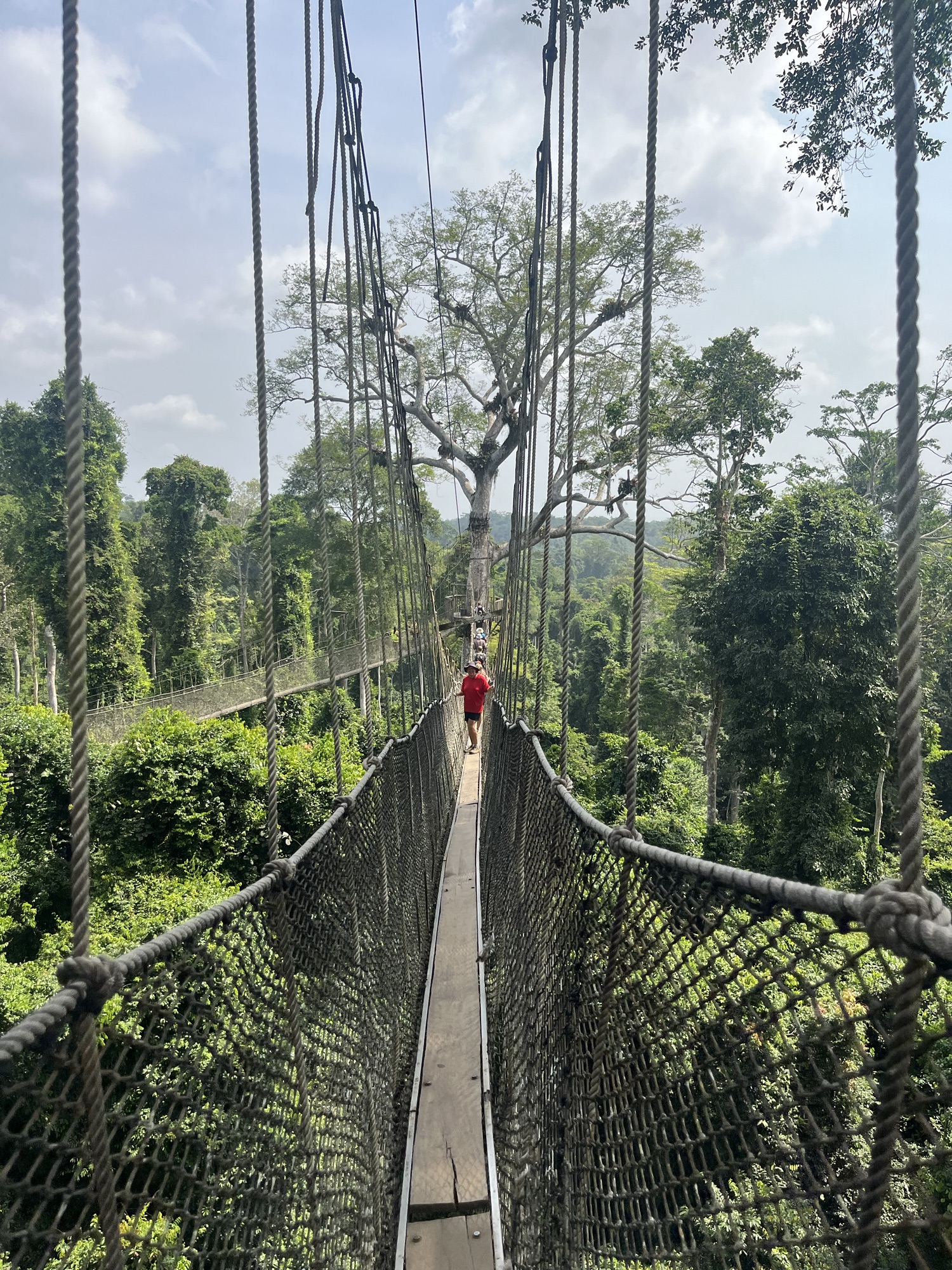
Kakum National Park is a small, protected area north of Cape Coast which is managing to hold onto wildlife that includes monkeys and elephants, not that we saw much of anything, but wildlife wasn’t our primary reason for visiting. The park also has a very popular treetop walk that takes around one hour, is made up of six suspension bridges, the highest of which is 40 metres above the ground. It was a stunning experience boasting incredible views across the surrounding park. The bridges swayed a good deal making it quite difficult to walk without holding on with both hands. Once reaching the end of the bridge you would find yourself perched on a small wooden platform wrapped around the trunk of a colossal tree before then carrying on with the next bridge. I found it to be great fun, much to the disgust of several others who found the height and flexibility of the bridges a little too unnerving for me to be playfully bouncing up and down on them.
We arrived at Cape Coast for lunchtime and parking near to the castle, we were immediately mobbed by street sellers as we disembarked the truck. We had little more than an hour for lunch which creates an almost impossible task in West Africa if looking for anything that resembles a decent feed. It will be decent, but it will come in its own time. The majority went to the nearest jazzy looking restaurant which was a recipe for disaster and so the Blonde Squad and I headed in the other direction in the nervous hope that we could find somewhere adequate. We came across a beachside hostel that looked like it had been built from brightly coloured driftwood, it was simple in appearance but welcoming, and came with an extensive menu chalked up on the wall. We placed our orders in the usual West African way, that is make a choice, be told it’s not available and, continue repeating the process until you have been cunningly persuaded to buy the only thing actually available. In a random twist, as we waited, a local YouTuber approached us and asked if he could conduct an interview. We duly obliged out of politeness but completely forgetting we had been in Ghana for no longer than 48 hours and so we really weren’t in a position to provide any concrete answers as to why Ghana is a great place to visit. It certainly wasn’t for the speed of our lunch which finally arrived just as we had to leave. There’s no point getting animated, this is Africa, there is no rush, because really, what’s the point? We cleared our plates as quickly as possible and traced back up the road to the castle just in time to begin our guided tour.
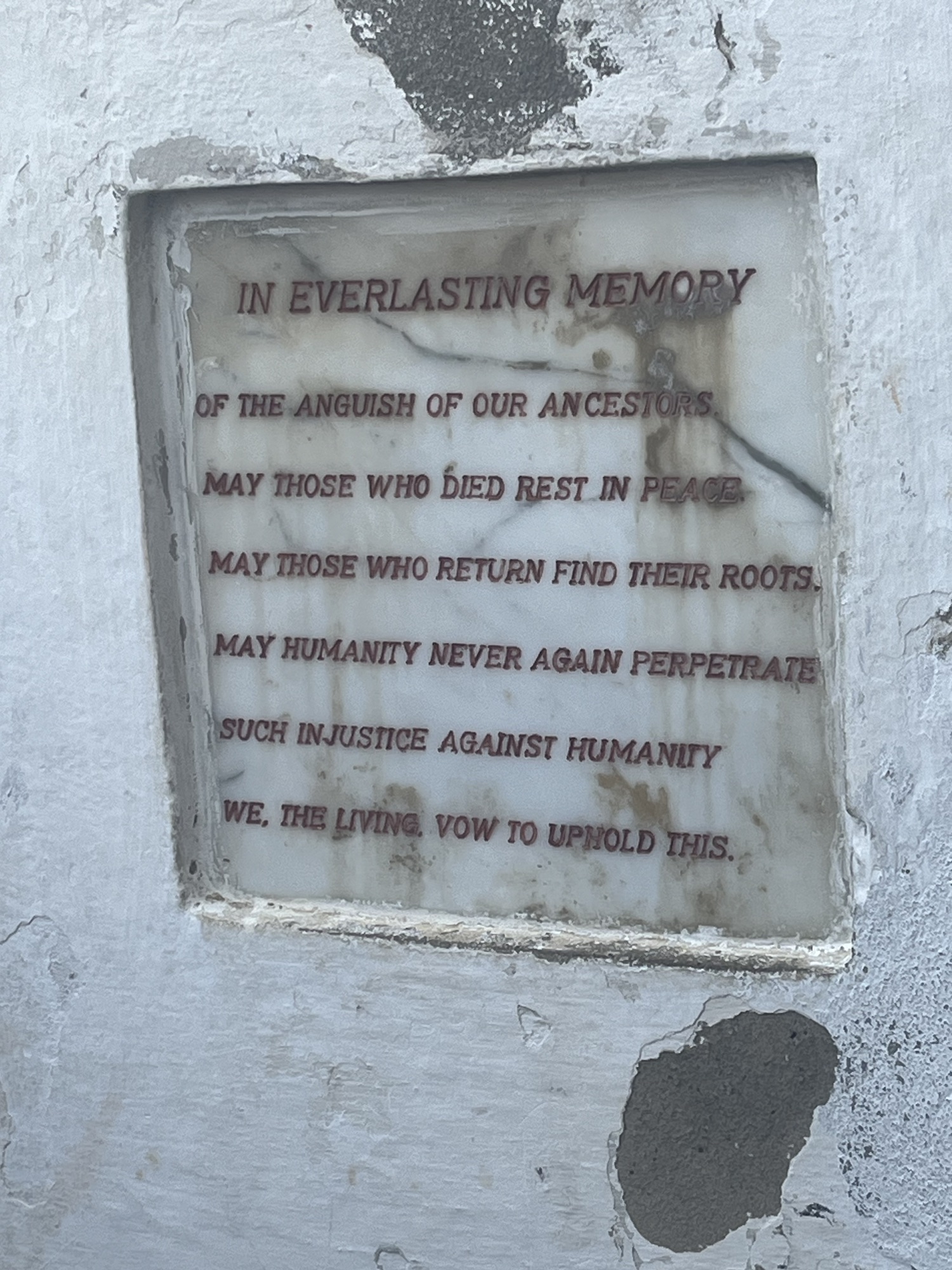
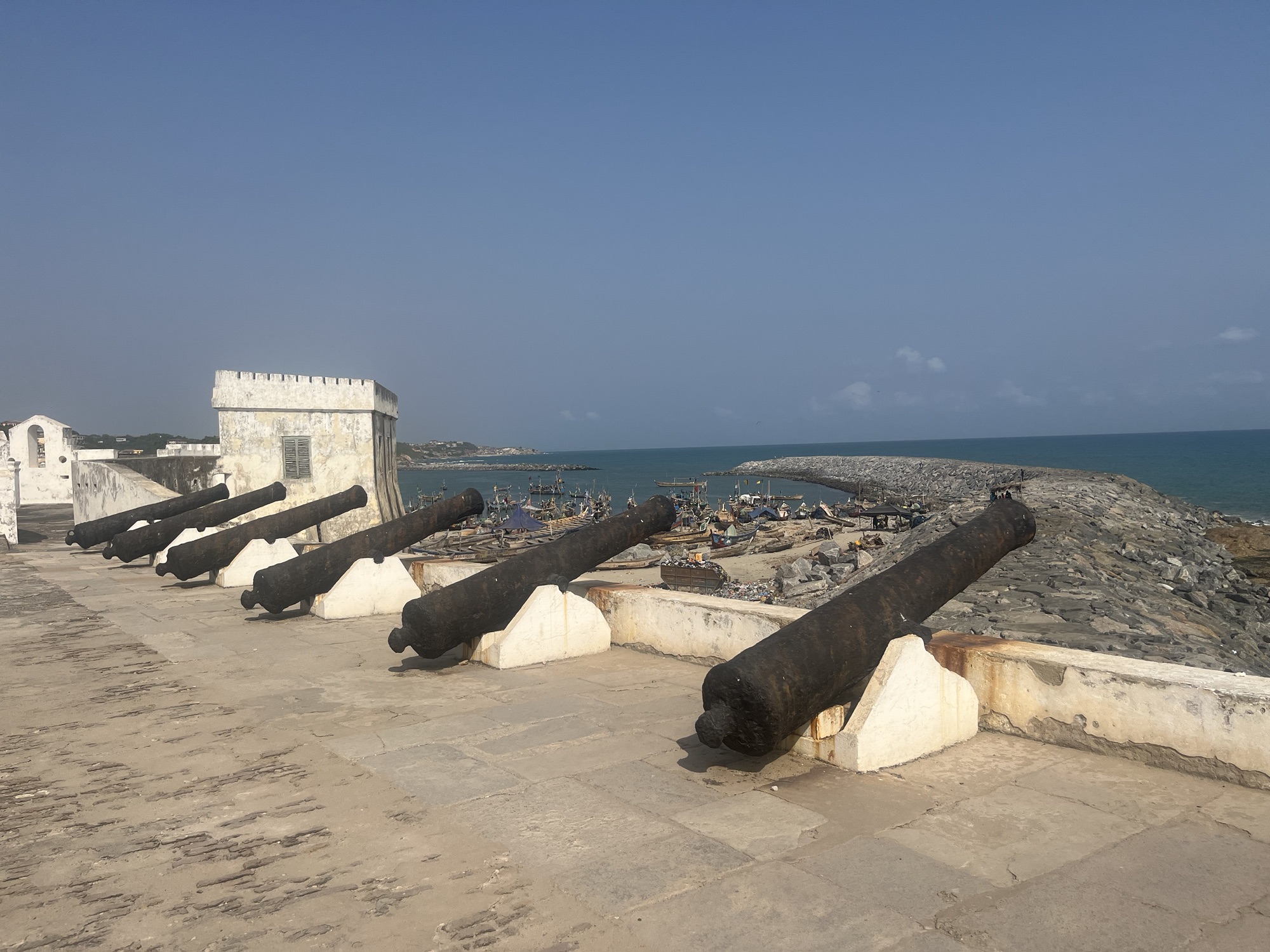
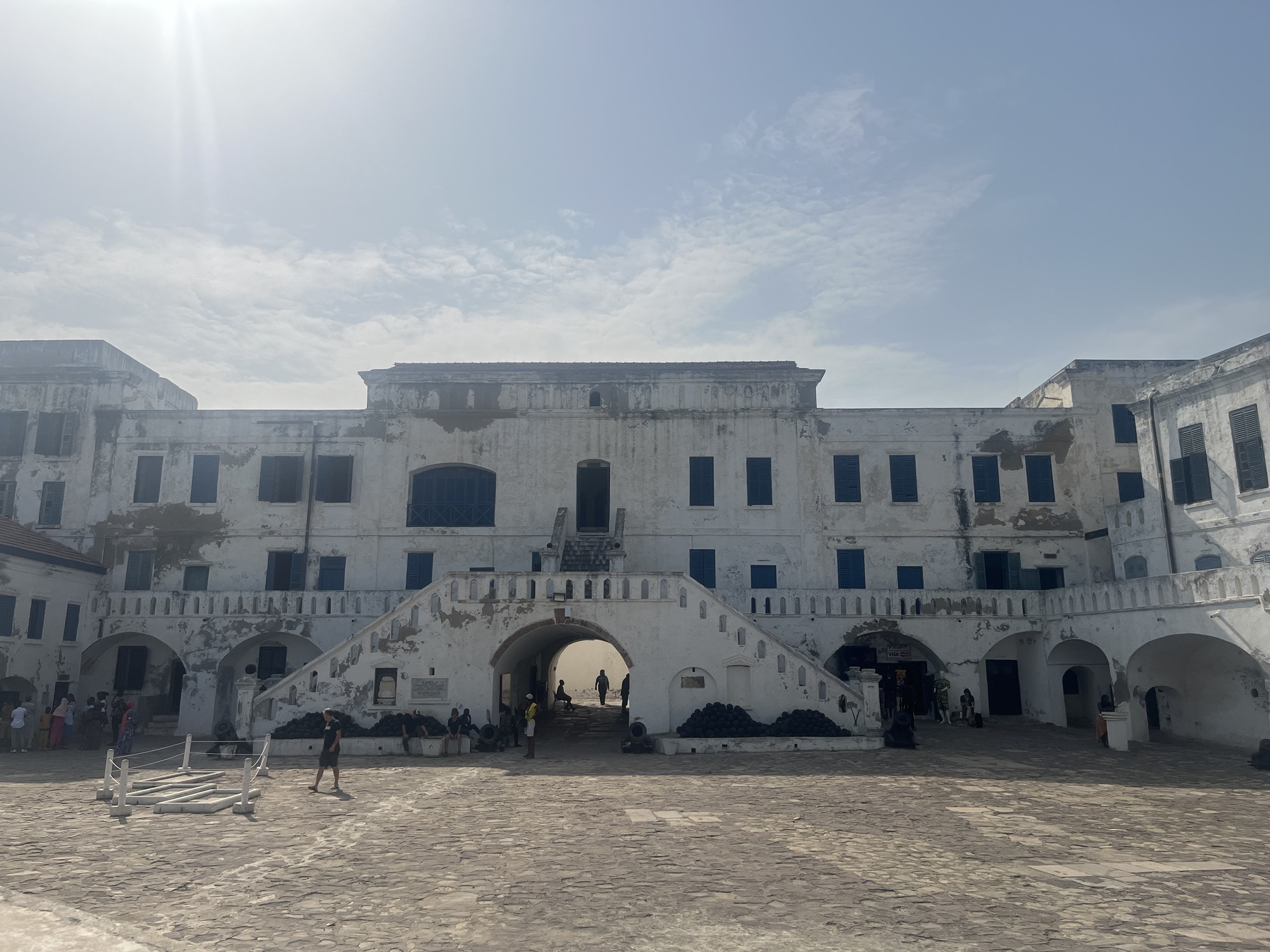
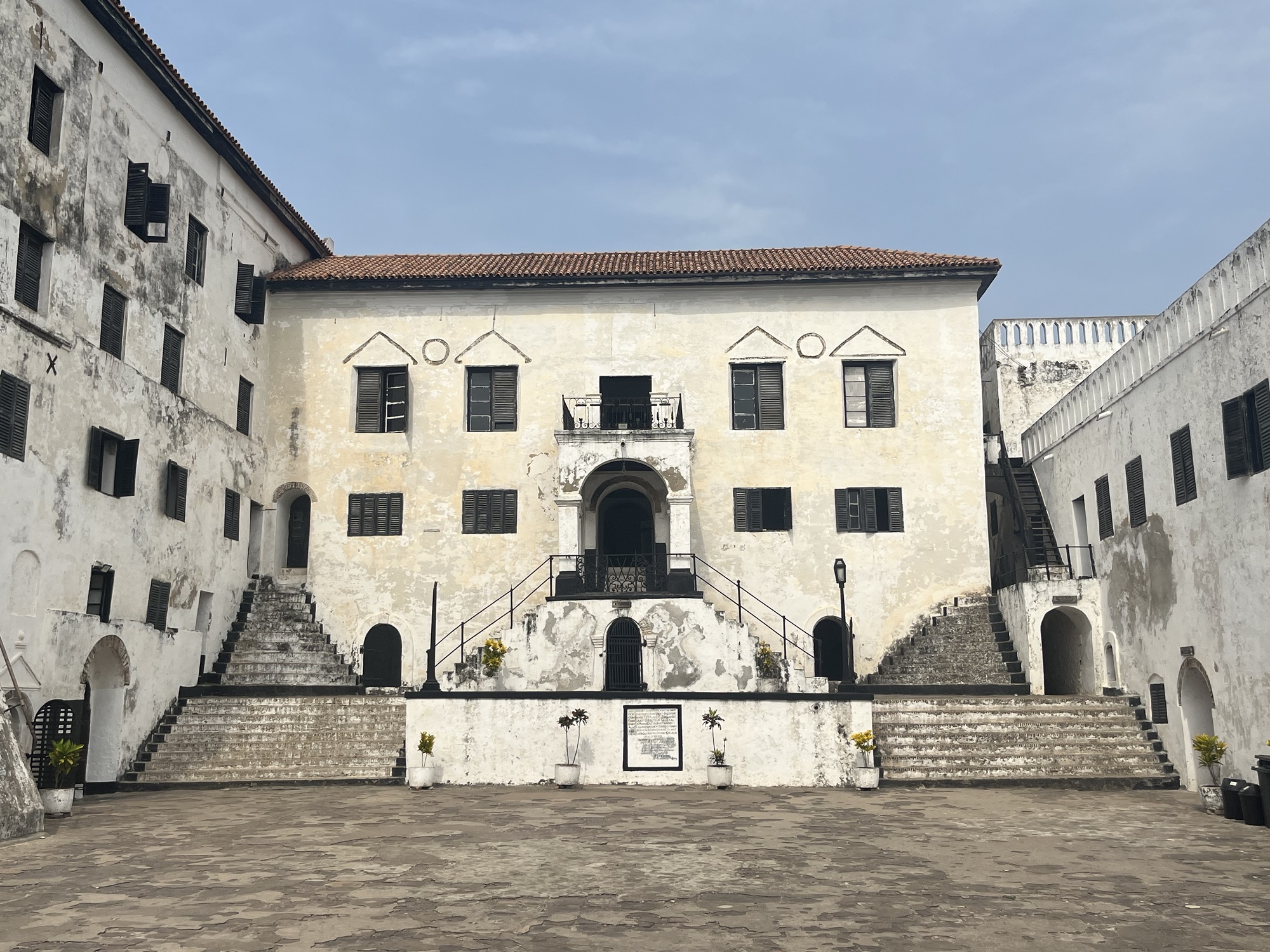
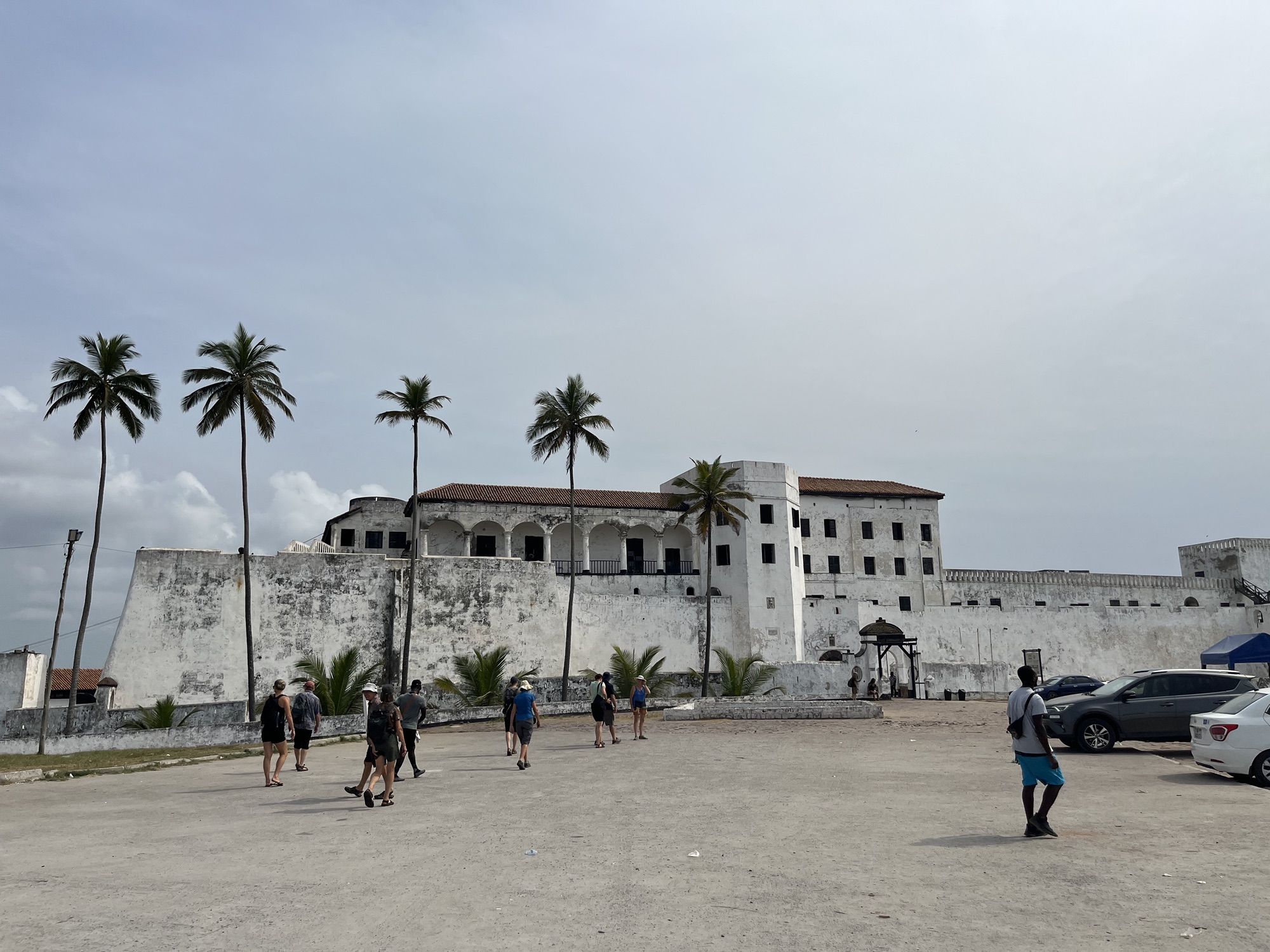
The castle at Cape Coast began with the Portuguese in the mid 16th century and is one of many that were constructed around the west coast of Africa. They have gone down in history as the final departure point for Africans sold into slavery across the Atlantic Ocean, and have now, rightly so, become yet another collection of memorials (think Auschwitz, Kigali, The Killing Fields, Hiroshima, Northern France, etc) and a reminder of humankind’s lack of humanity and kindness. Discussing the morality of slavery is simple, there never has and never will be any justification for it in any culture at any time. However, it’s history and legacy are far more nuanced than people would wish it or, portray it to be. What surprised me about our visit to Cape Coast Castle is that it was presented just so and, intelligently, compassionately, honestly, and with the acknowledgement that slavery still exists. The castle had originally acted as the collection centre and transatlantic departure point for slaves captured in the region. Held in horrific conditions, packed in cells under the castle, the male slaves were at least watched over by God as the chapel was situated immediately above them. If ever you wanted to question His existence, here would be a good place to start. ‘The Door of No Return’ was the other significant part of the castle, the gateway where slaves were led out onto ships awaiting in the harbour. However, it was the cells that enveloped me with an intense feeling of history, and despite how silly it sounds coming from a person as apathetic and logical as me, holding the palm of my hand against the cold, damp cell walls felt significant, as though the walls had absorbed centuries of suffering. It goes without saying that the rest of the castle was delightful, literally rock solid; I doubt Netanyahu could succeed in destroying it. The old Governor’s rooms commanded incredible views of the town and coast but ultimately there is nothing that can distract from the castle’s primary use. Our 45-minute tour lasted a full 90-minutes, and the guide could have gone a wee while longer while holding my attention. As we left for the truck in sombre spirit one of the older chaps in our group complained vehemently that the guide had gone on too long; there is only one unpublishable four-letter word that can be used to describe such a person.
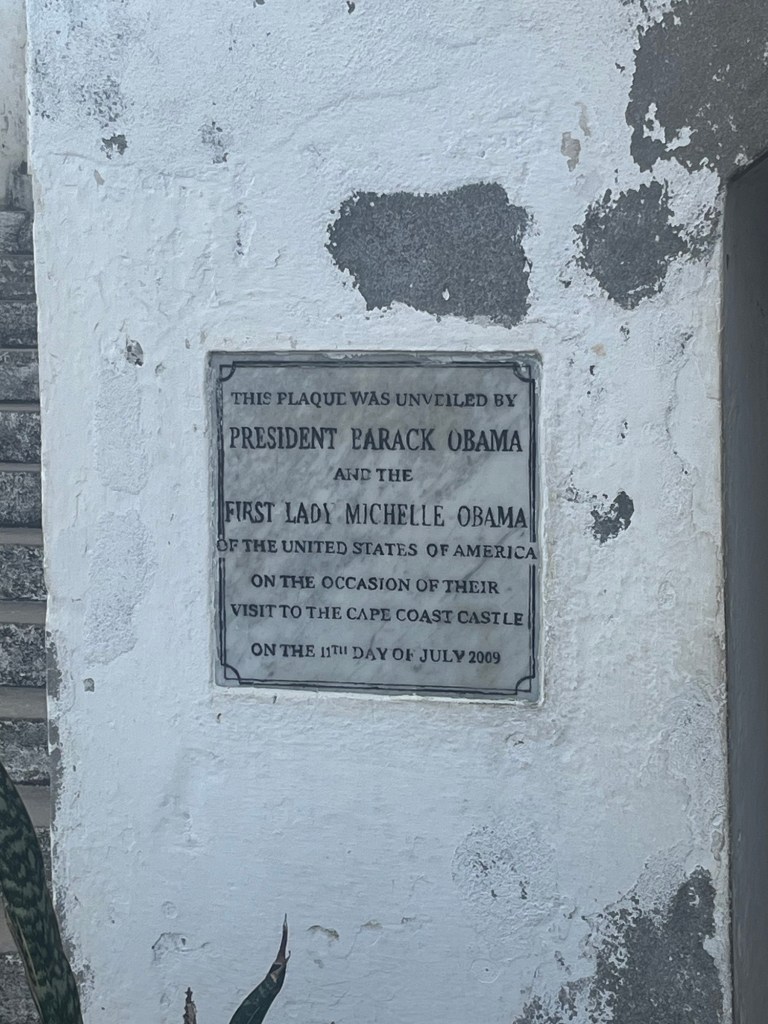
The following day we headed out to Elmina Castle, just down the road from Cape Coast and with an almost identical story. Despite it being only mid-morning, the sun beat down with ferocious intensity magnified by the thick whitewashed walls of the castle. I admit a surprise hangover taunted me throughout. Upon returning to camp the night before I had to cook, not finishing up until 9pm. By the time I joined the socialites down by the bar I was too tired, too angry with certain people, and too contemplative of the days events to do anything other than sit on the sandy floor in a little sanctuary tucked between the Blonde Squad sitting in their chairs. Despite my reluctance to be at the table, a steady flow of red wine and beer had continued before six hours of sleep delivered me to the kitchen yet again to prepare breakfast. Therefore, after our tour of Elmina Castle I had no interest in wondering around the local fish markets or to head up the hill to another fort, all I wanted was to go and sleep in a hammock by the ocean. I wondered up to the bridge that crossed the final stretch of river before it joined the Atlantic and simply stood and watched the world go by in front of me. An armada of small fishing boats clogged the riverbank, their colourful flags and assortments flapping in the sea breeze. Children swam and played in the river while the odd clear sign of human waste floated under the bridge below us and made its way past the floating islands of plastic bottles and bags. Arguing over our history is apparently making no difference to the future of those in search of a basic quality of life.

Never one to end without some irony – in this case my pathetic suffering – I arrived back to the campsite hot and bothered with sweat pouring from my eyeballs. There was nothing that could quench my thirst and motivation to prepare lunch was waning fast. Suddenly, appearing like some shimmering mirage, Jen, who had sat out the Elmina visit as she had visited in a previous life, appeared clutching a couple of cold bottles of shandy for Amber and me. It was like nectar to two withering butterflies, one of Ghana’s greatest gifts to the world of beverages. It was everything you remember shandy to be, cold, refreshing, reviving, only 2 percent alcohol, pure perfection for a slight hangover on a hot day in the tropics. Shandy is back. I made lunch, finally swam in the ocean, and happily found my moment of peace slumped in a hammock under the shade of two palm trees.





5th January 2024
 Trig Tales