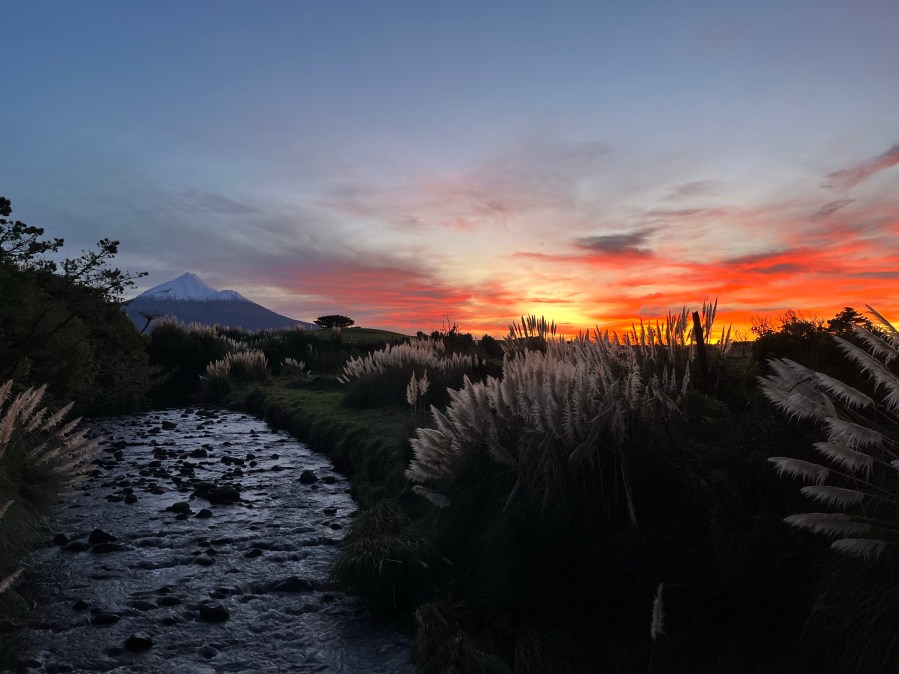
Taranaki – New Zealand
Qantas flew up the rankings as one of the most useless bloody airlines I’ve flown with this year after delaying my flight by three hours, giving me a food voucher for the airport that didn’t work, and demanding I get a visa to transit through Sydney from Seoul on my way to Auckland despite all my sources saying otherwise. My frustration eased a little as I discovered I had an empty seat next to me for the 10-hour flight and I landed feeling renewed and ready to roam Sydney airport with the excessive amount of time I had accumulated thanks to the second leg of my journey also getting bumped back. I discovered that in the land of health and fitness a packet of crisps costs $4 from the vending machine and a 330ml bottle of water costs $4.50; I settled on a $22 McDonalds meal. Why water should cost more than a packet of crisps is surely a bad sign for society? I finally arrived in Auckland at 11pm, waltzing off the plane with my arrival card gently shaking in the grasp of my hand as I declared to customs that I had indeed spent time frolicking with foreign farm animals and a pair of hiking boots were in my luggage. I had spent months stressing that customs would be angry and disappointed with me for trying to enter their perfect country after having declared such atrocities, however I had conveniently forgot that there are always many more idiotic people at airports than me. I stood in line waiting to be questioned further about my luggage and watched other people turn out kilo after kilo of nuts, fruits, and other food items that may or may not be allowed into the country but needed to be checked nonetheless. When my turn came, I was thanked for having spotlessly clean boots, handed a sticker that declared them safe, and shown a delightful smile when I declared my Haribo. Better safe than sorry I say. Amazingly, by 11.30pm I was out the door and heading to my hotel. New Zealand was looking up.
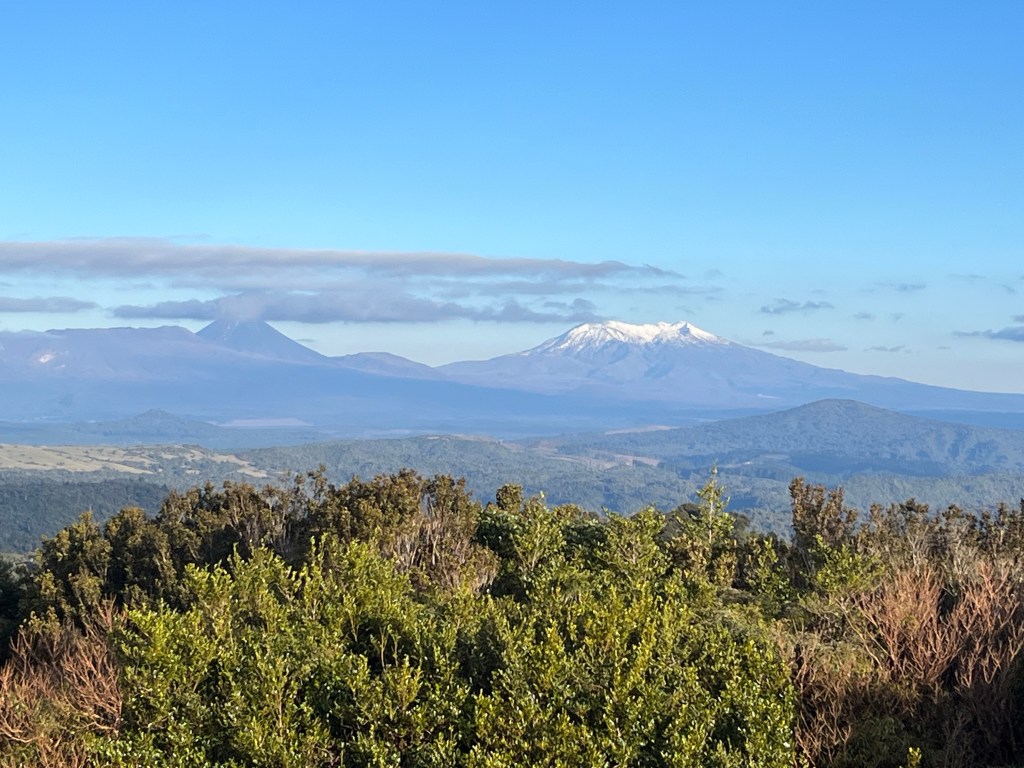
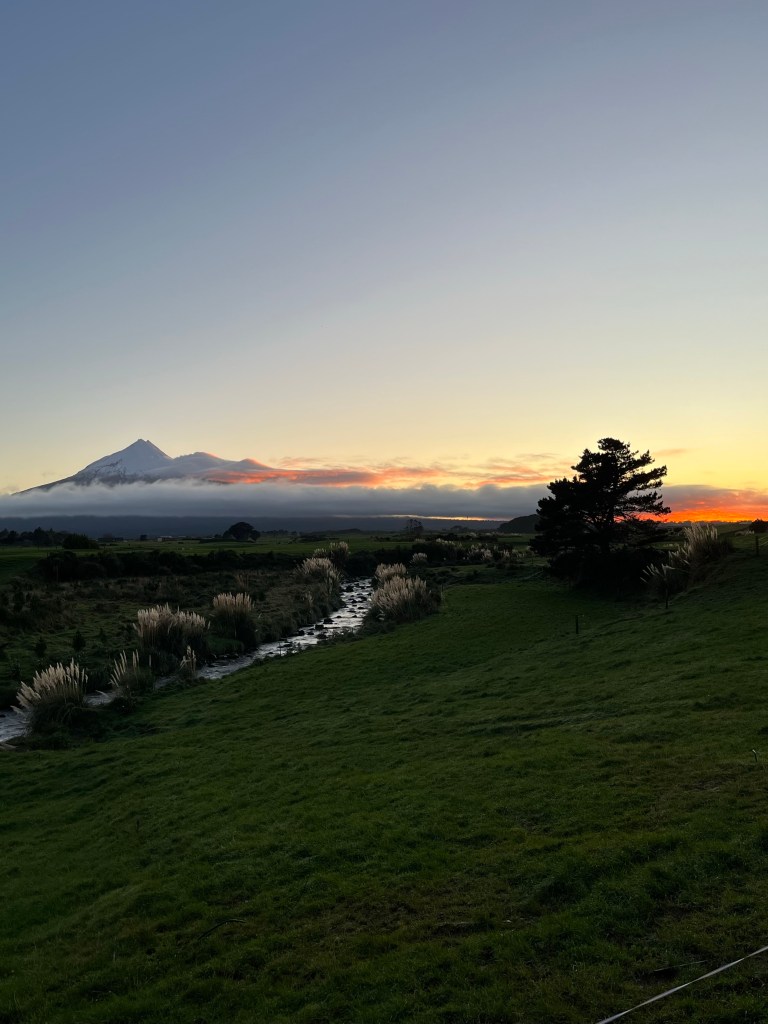
I had spent my first night in NZ in an airport hotel that served its purpose before having to catch an internal flight. It wasn’t until I was reminded a few days later that the very same hotel was used for quarantine during the pandemic where upon I became filled with sympathy for the poor bastards that had to spend 14 days in such cramped, plasticy rooms; I was ready to leave after nine hours. The flight from Auckland down to New Plymouth lasts for no longer than 40 minutes and is one of my favourite flights on the planet offering stunning views of the west coast of the north island. Sat in a little prop plane that seats maybe 50 people I realised I was getting anxious for some reason as the plane climbed up to cruising altitude. It then dawned on me that as often as not when I board prop planes, I usually end up jumping out of them, and my brain was mentally preparing me for such an occasion. Luckily a cookie and a glass of water shattered any such anxieties and before I knew it the plane was touching down with the beautiful Mount Taranaki out in full bloom and the season’s first snowfall capping the mighty volcano.
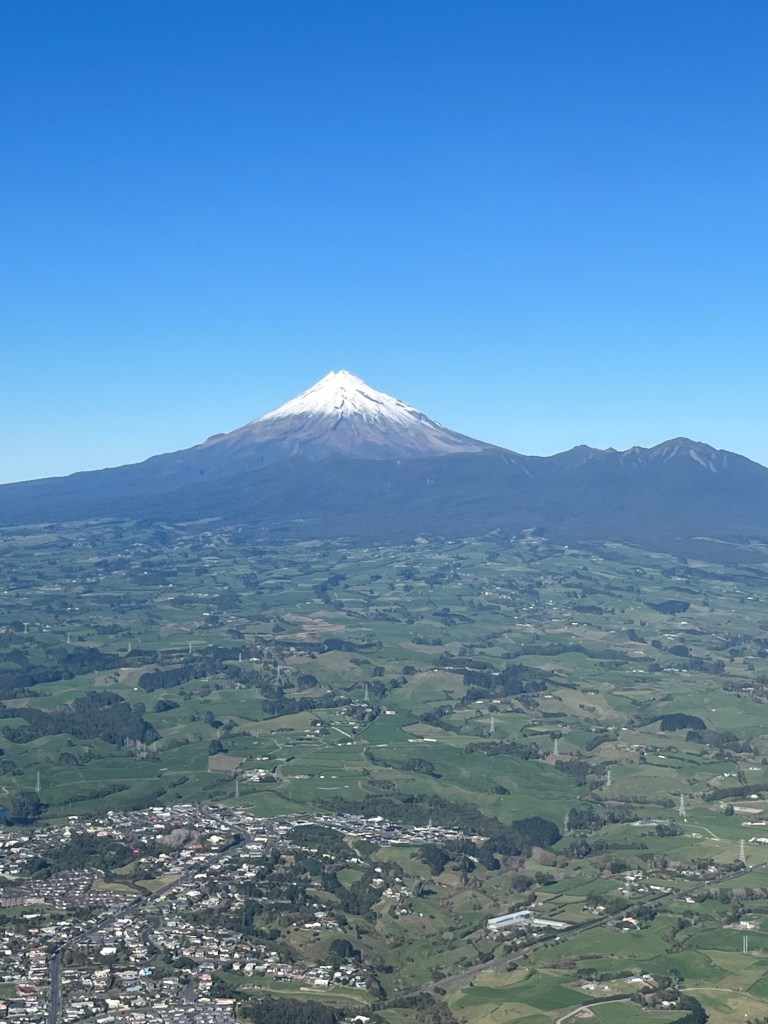
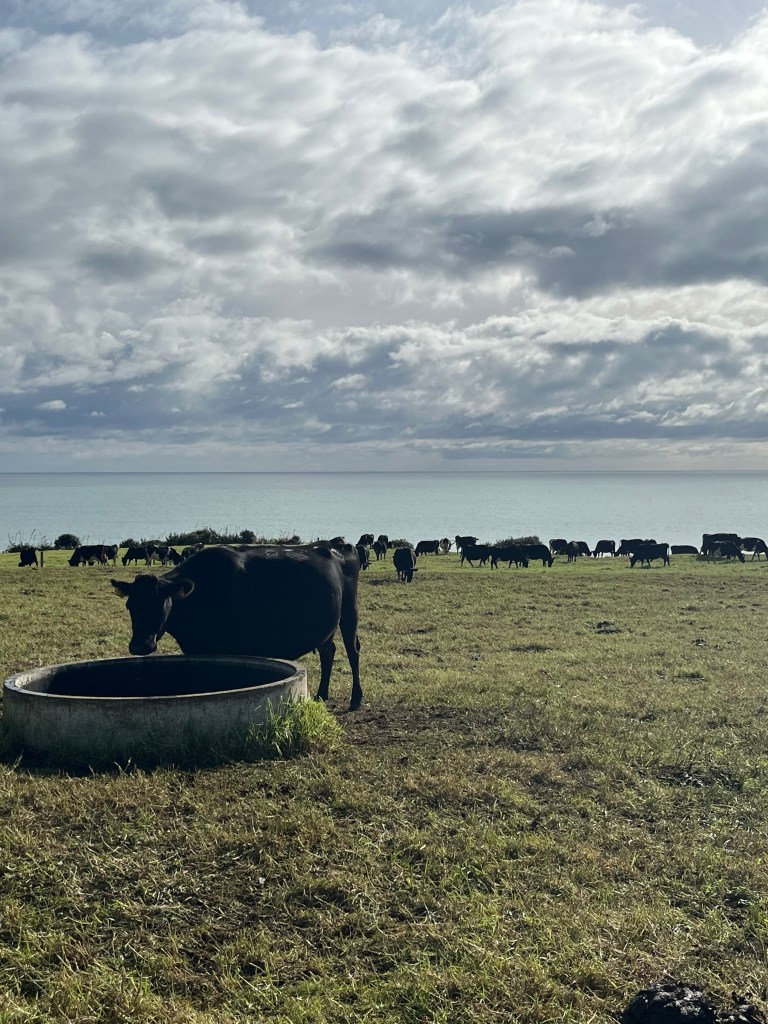
I had no plans for my two weeks in NZ. My only goal was to visit my adopted NZ family who I had failed to see for over four years, and full of hope that they would give me a kick up the arse and a confidence boost to get on with my life. It began in earnest. In what I would consider typical NZ fashion, within hours of arriving to the farm I was handed a rake and told to level out the recently dug up grass verge in preparation for some grass seed. As I was earning my first blister in years, ex professional rugby player Ben May drove on by to look at buying some firewood. This shouldn’t be seen as a surprise in Taranaki as it is after all the home of the Barrett family that often provides between one and three All Blacks. The following days I found myself out on the farm at 7am moving cows, setting up fences, and feeding out straw and silage. It may appear odd to the casual reader, but simple things such as driving a tractor for the first time in five years and actually having to do basic tasks invigorated me and I began to realise that all the stuff I thought I had forgotten and deemed me useless was in fact not forgotten, rusty yes, but I felt like I could get back into dairy farming pretty easily should I wish.
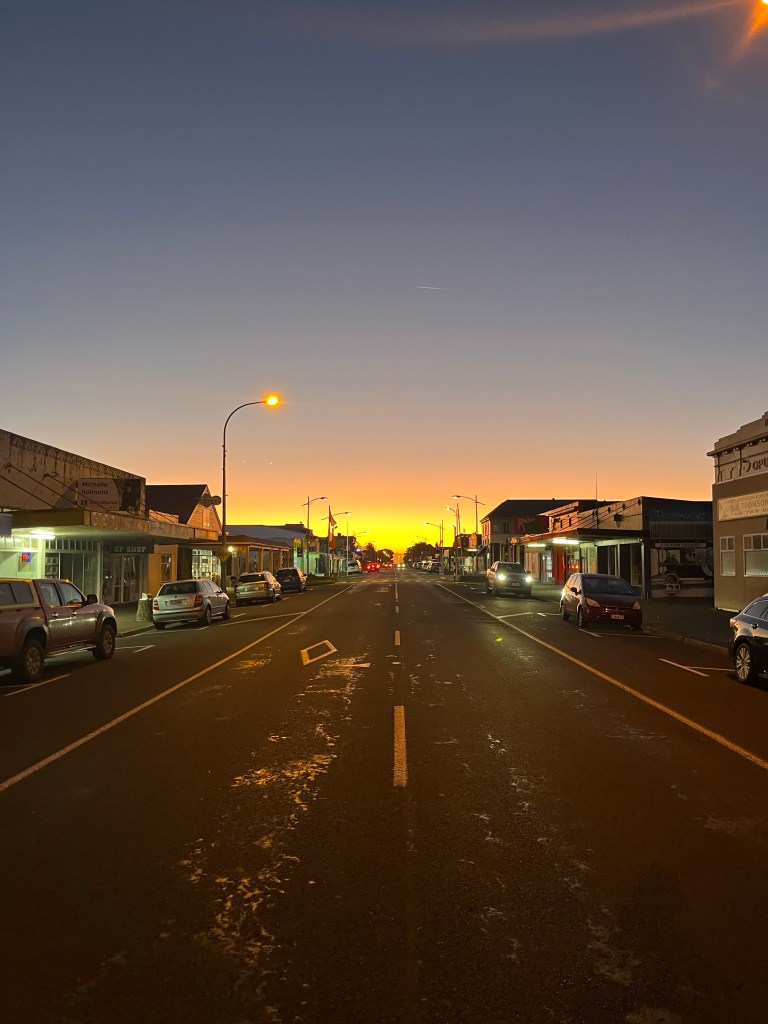
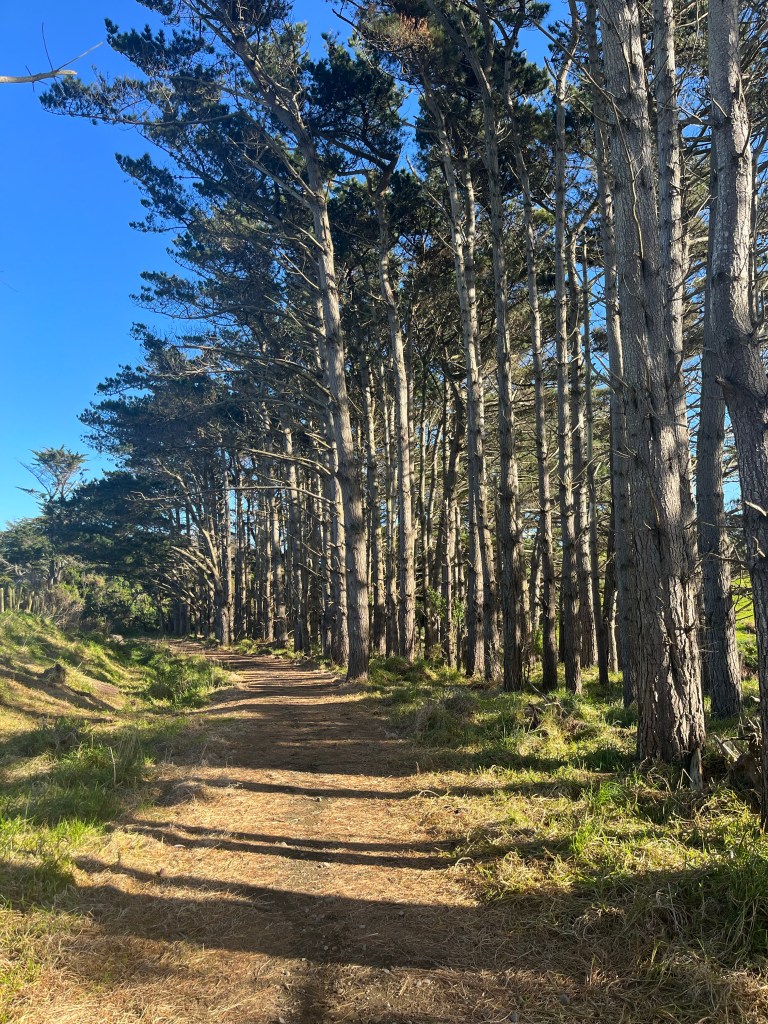
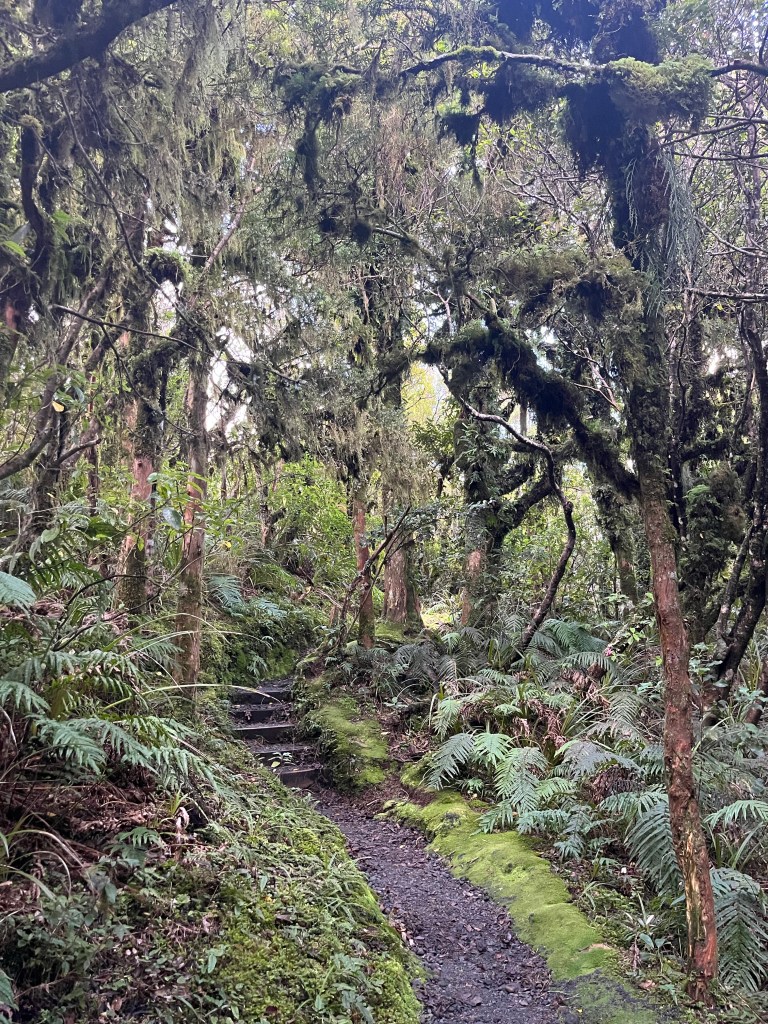
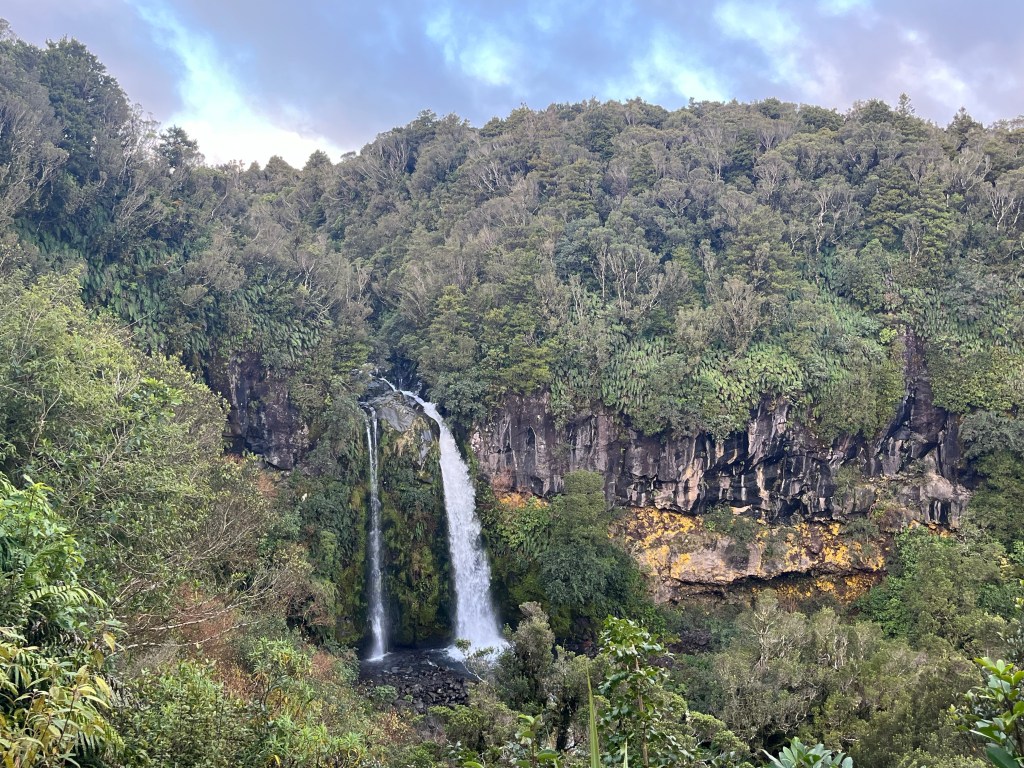
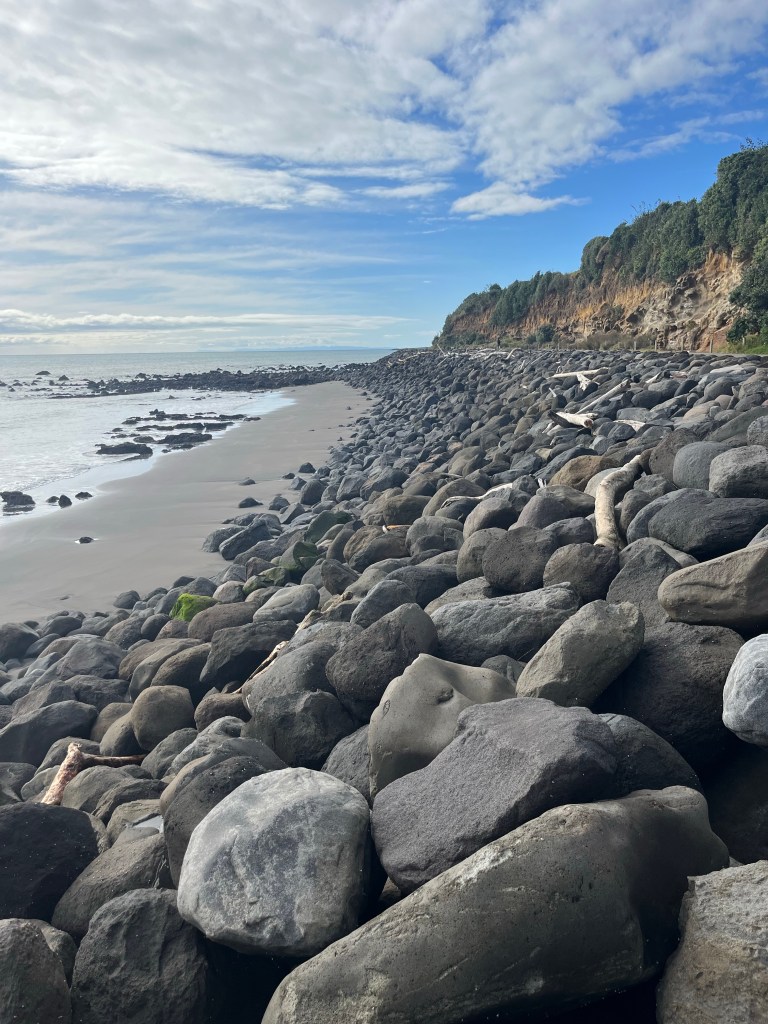
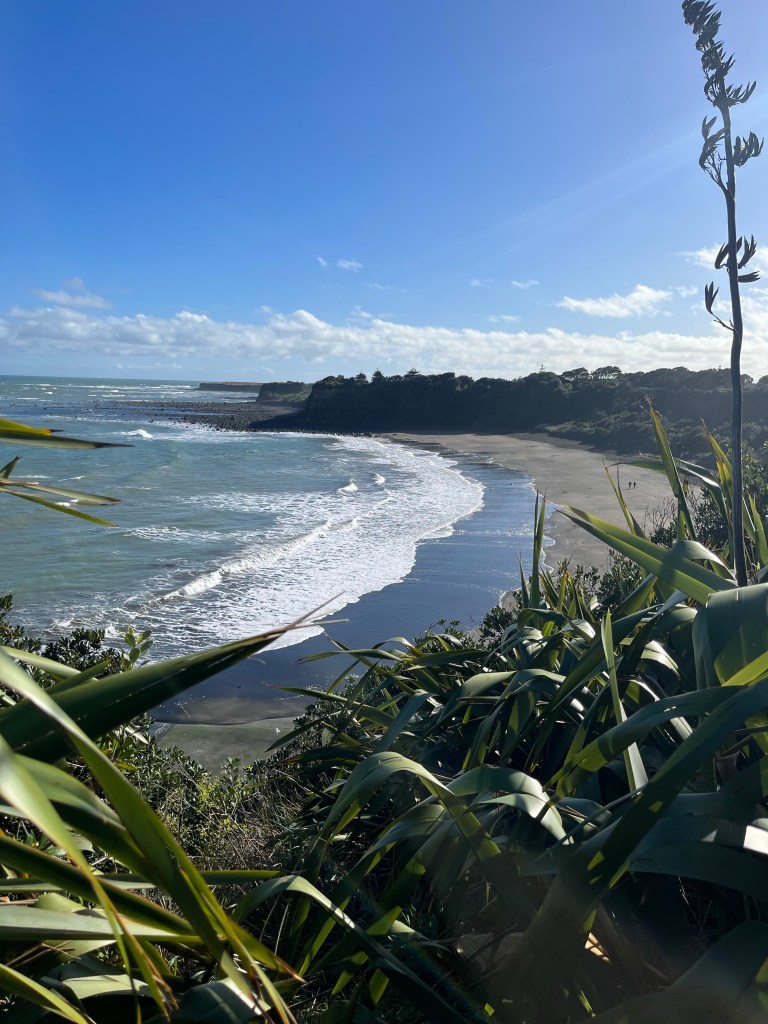
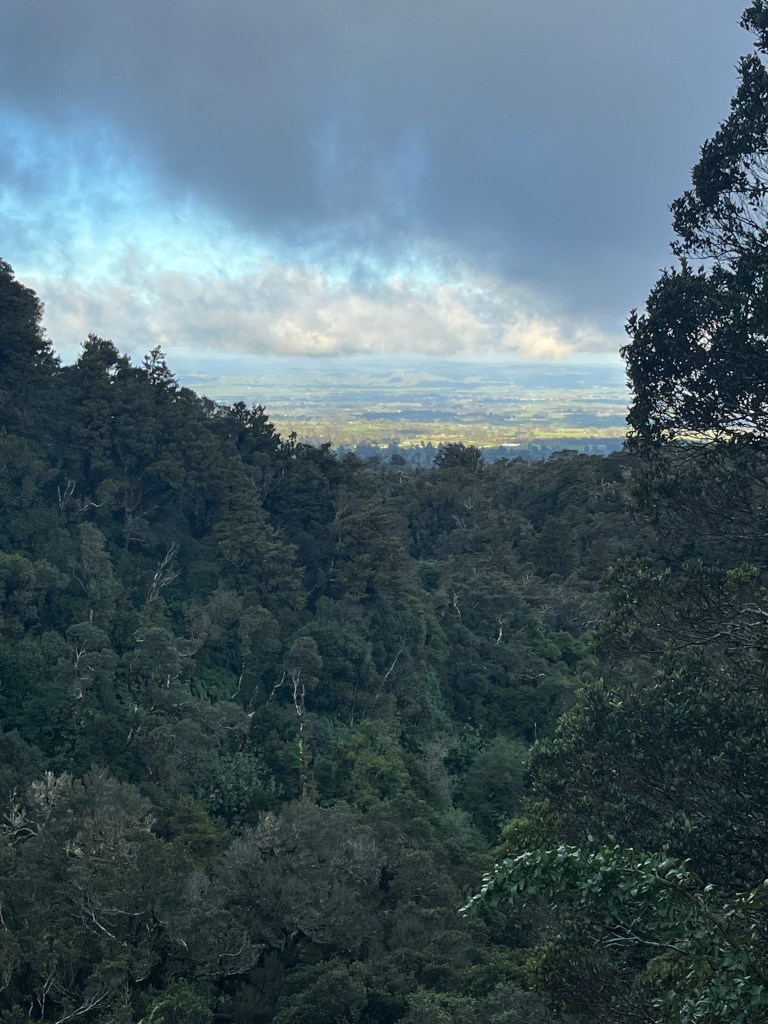
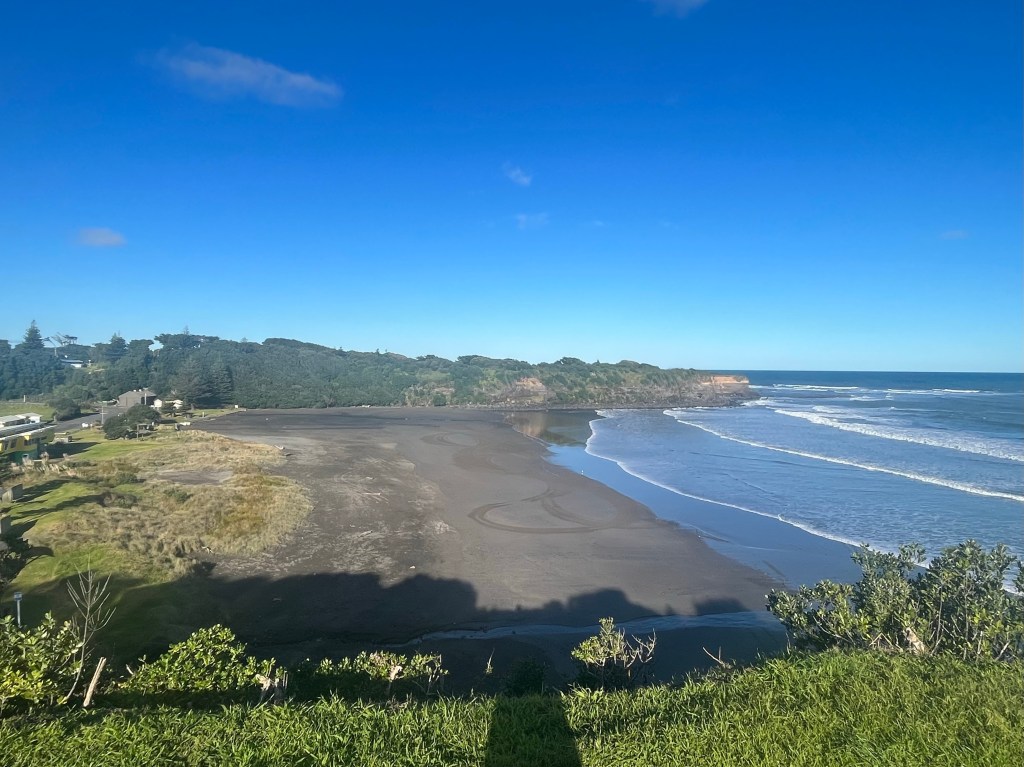
In between my tiny contributions to NZ dairy farming, I took myself off on a couple of local walks as strangely, despite living in Taranaki for nine months and visiting on numerous occasions I have actually explored rather little of the area. My first outing took me down to the local town of Opunake, famed for a bit of surfing, a lovely beach or two, fishing, and a delightful café called Sugar Juice. For a small country town it could easily have fallen into the abyss although it appears to be doing rather well for itself, so much so, that to prevent itself from becoming too cosmopolitan an international visitor like myself will find it impossible to part with any cash as the card machines and the one ATM in town all reject foreign cards. All but one. The pub and its bottle shop happily took anyone’s money. But I didn’t need money to take part in the town’s seven-kilometre circular walk and I set off in earnest taking in beautiful views of the coast before turning inland to walk behind the town through dairy pasture dominated by Mount Taranaki in the background. A pie, sausage roll, and a can of coke for lunch at the local dairy (corner shop) completed a jolly pleasant walk, one that could only have been improved if Sugar Juice wasn’t closed on Mondays. With time still left in the day, I drove on up the mountain to Dawson Falls. There may have been time, but fuel I had less of with the red light coming on earlier than expected and the predicted mileage plummeting as I climbed up the final few kilometres. I parked with only 20 kilometres of range left for a 25-kilometre trip home and decided to worry about it later. Assuming a good one hour walk, I instead had it knocked out in half the time although it was no less delightful. The waterfall itself is relatively standard but the park it resides in is a dense mesh of old-growth forest; damp, murky, moss-laden, dinosaur hiding, and unique in today’s world. The fact the park is surrounded by one of the highest concentrations of dairy farms in the world makes for an even greater contrast and surprise when driving to it. For me, the greatest surprise of all was finding the car’s range shoot upwards as I rolled back down the mountain and the car bravely delivering me back to the farm on what I like to imagine nothing more than fumes.
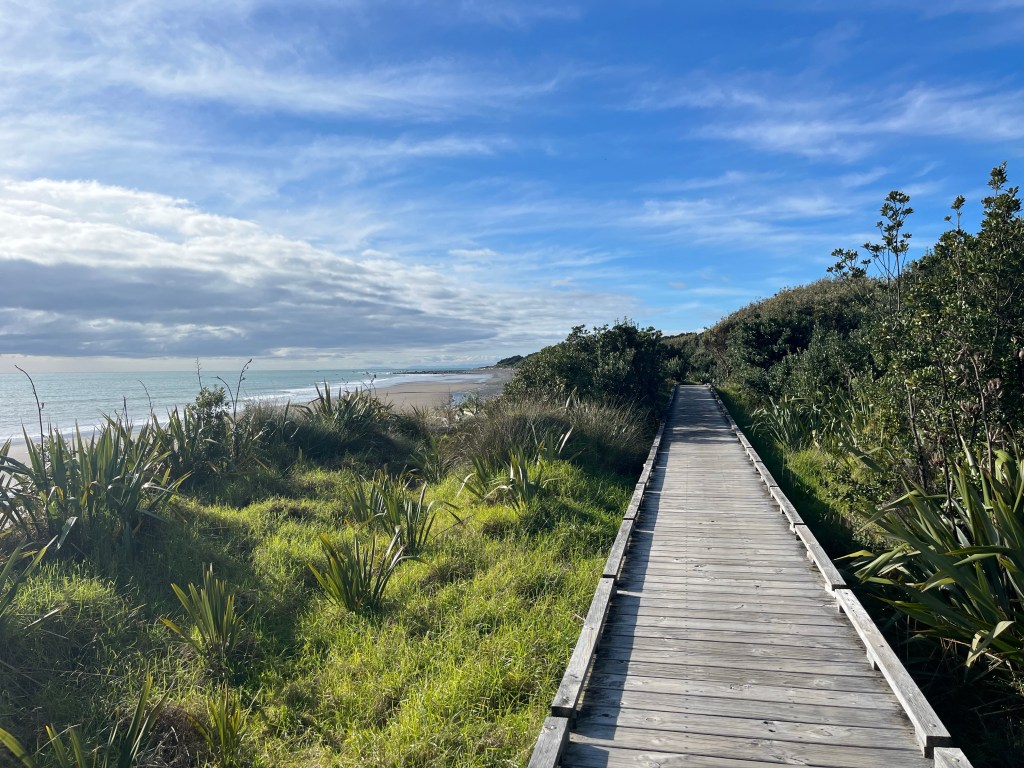
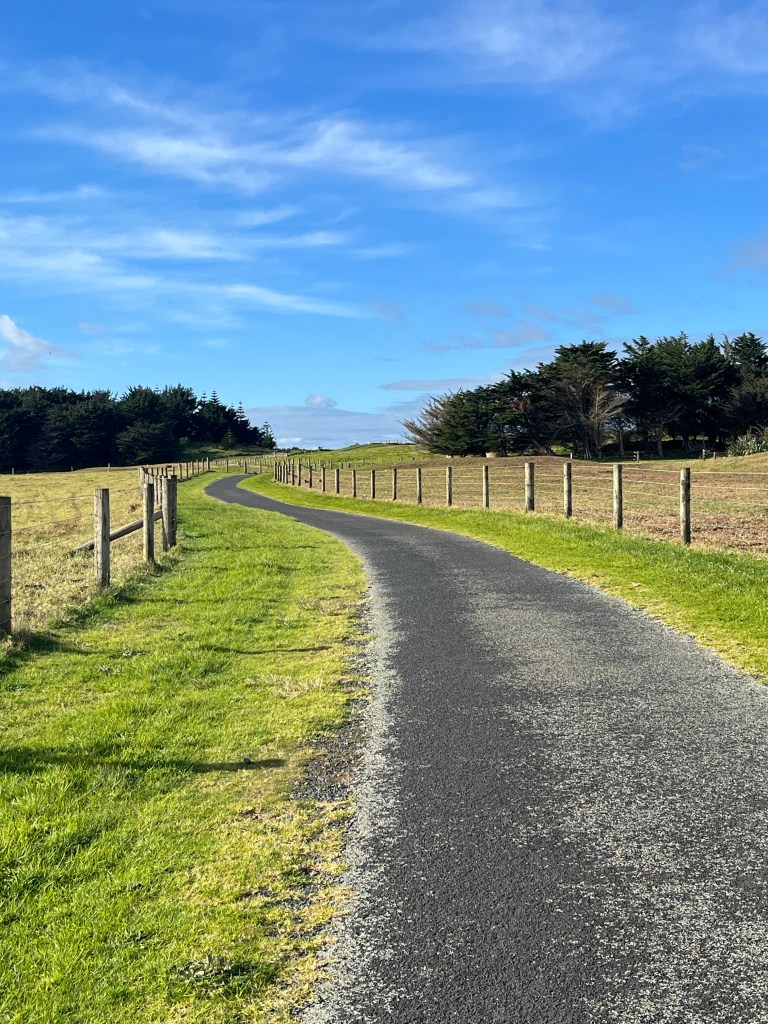
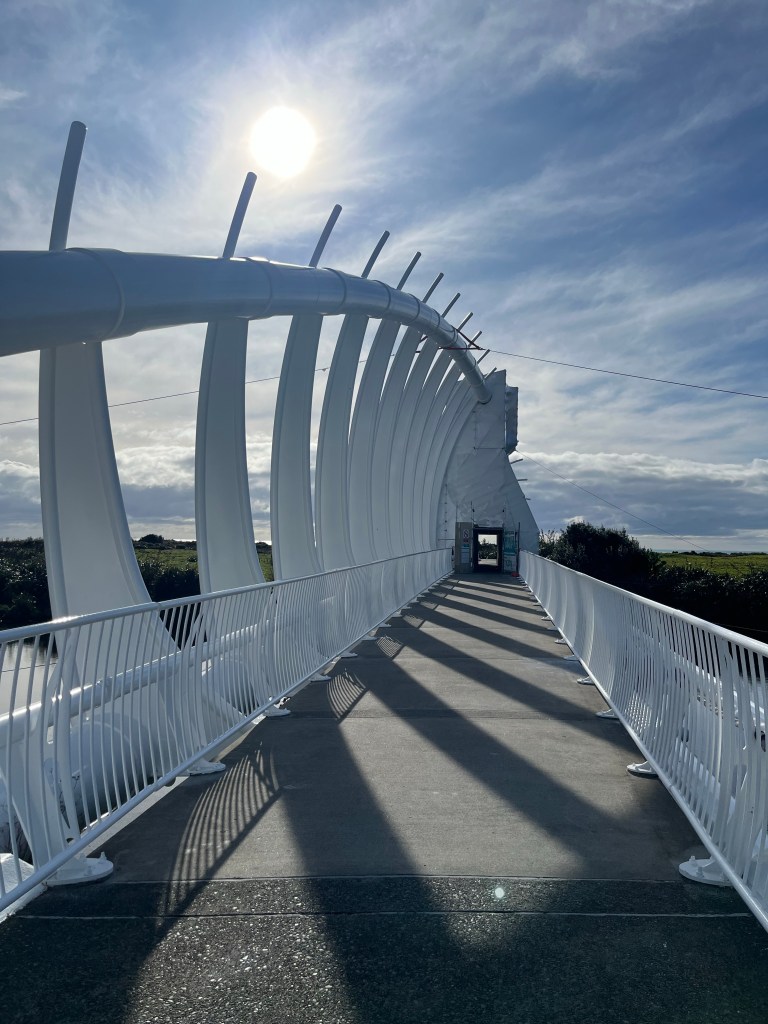
Fully fuelled up, I headed up to New Plymouth a few days later to tackle their coastal walkway. New Plymouth was voted one of the best places in the world to live in for a town its size should you wish to believe such accolades, but if you don’t, I can happily confirm that it is a lovely place at the very least. I arrived with the aim of completing as much of their 12 kilometre walkway as possible without causing further harm to my now long-suffering ankle while also preparing to walk up to 22 kilometres per day trekking in Kyrgyzstan the following week. It turns out that the walkway is a nicely laid pavement stretching along the edge of beaches, through well grazed fields, and across smart little bridges. It appeared quite popular with people choosing to get their exercise from e-bikes, not that there were many hills to speak of and simple leg power would have more than sufficed. I was jealous of everyone who had regular access to the path as it would have been an excellent place to run routinely. Naturally, I ended up walking the entire length of the walkway and then had to walk back on myself to get back to the car making for a fair sized walk, but it felt good and I left full of crazy ideas about how I could potentially make this my home. This is my relationship with NZ ever since arriving for the first time in 2008, a constant tango where we tease each other with the possibilities yet never take the plunge. The country has been held up in such high regard during the pandemic by the outside world that I struggled to comprehend when a good British friend described NZ as a second world country after recently spending six months working there. After all, being British, and worse still English, I have been conditioned to believe that the UK is absolutely the worse place in the world to be or to be from. However, it appears this propaganda simply isn’t true and as astonishing as it may seem, NZ is indeed in a bit of a pickle and suffering much of the same problems associated with divided politics, climate change, and a global economic belief that is starting to reveal its true costs. During my visit, teachers were on strike, Australia was openly advertising on the radio for teachers to move over there, there’s a shortage of doctors and medical staff, the country had just fallen into a technical recession, flooding was wreaking havoc, and dairy farmers were being blamed for causing global warming after being encouraged for years to grow a significant part of the country’s economy. And let’s not forget I couldn’t use my Mastercard anywhere I wanted, yet I can in countries such as Mongolia and Madagascar. I was asked by several people why I keep coming back. I had to think a little, but the answer is easy, Taranaki feels like home and in fact its enduring consistency is what makes it so. I depart with a very expensive jumper made from a significant number of dead possums, a couple of pairs of very comfy merino wool socks, and a very fetching willy warmer. The tango continues.