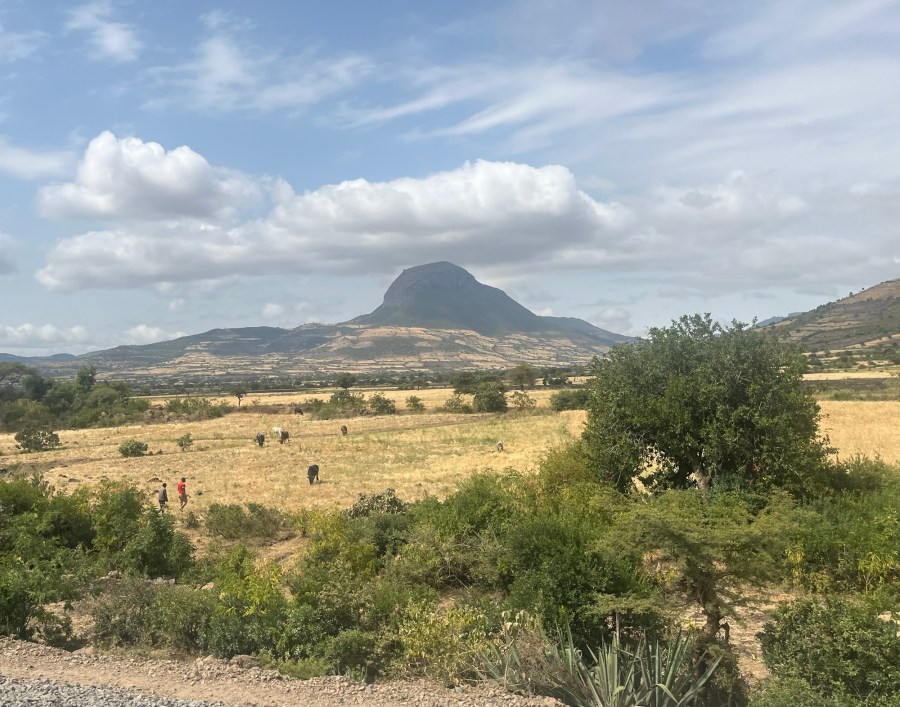
Ethiopia
I have travelled to approximately 25 countries in Africa and I have made no secret of my love for the continent, a love that has remained un-challenged since I first visited 18 years ago. Travelling here can be tough, but the rewards are endless. Business investment on the other hand is a whole different kettle of fish and travelling around sub-Saharan Africa for the first time, not as a tourist, but as a working professional offers an altogether differing view of a country far removed from that of a tourist. The excitement of travel is still there, driven by the everyday challenges of a developing country, but those same challenges will now inundate my professional life as I strive not to be part of another failed statistic.
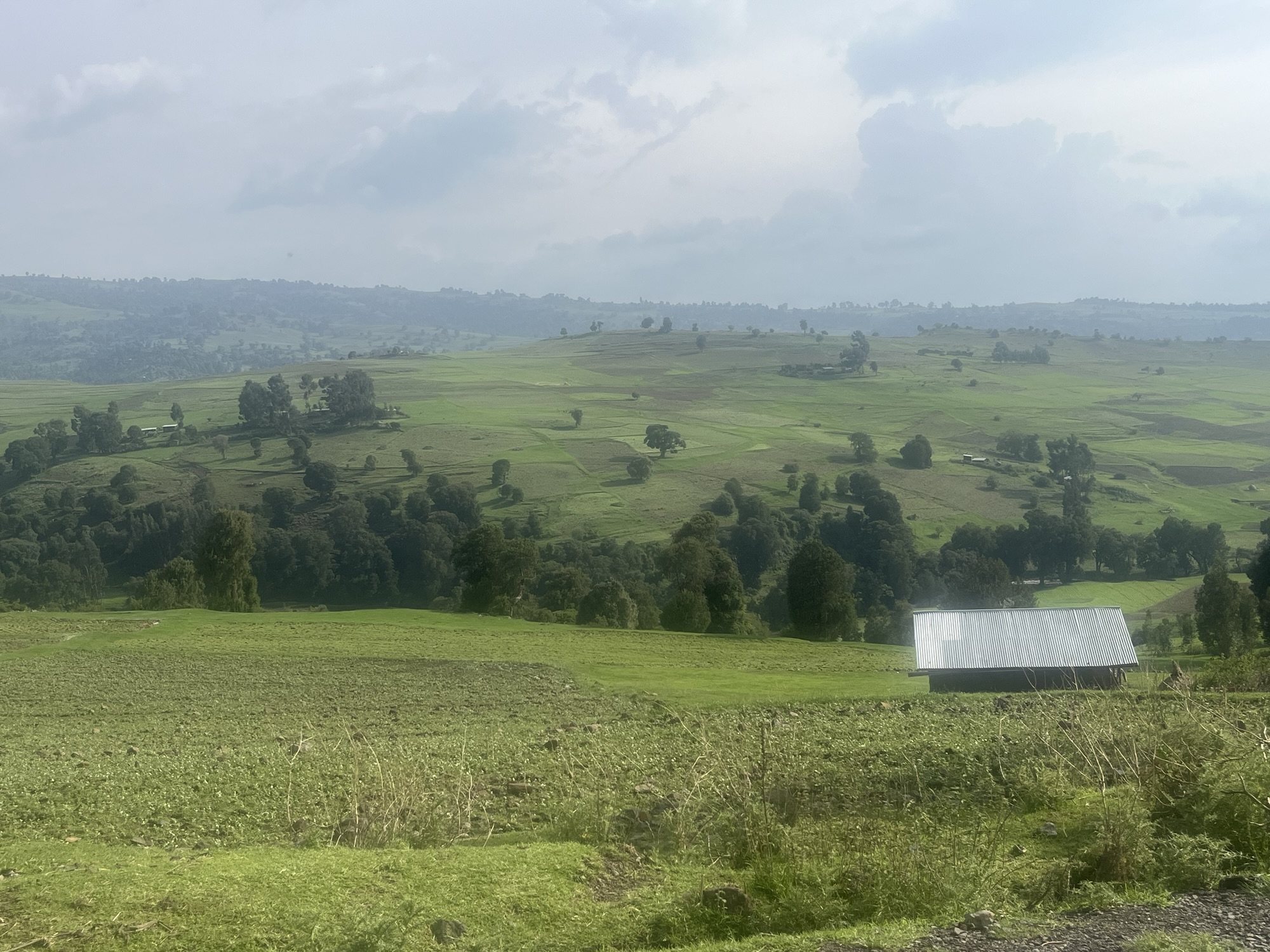
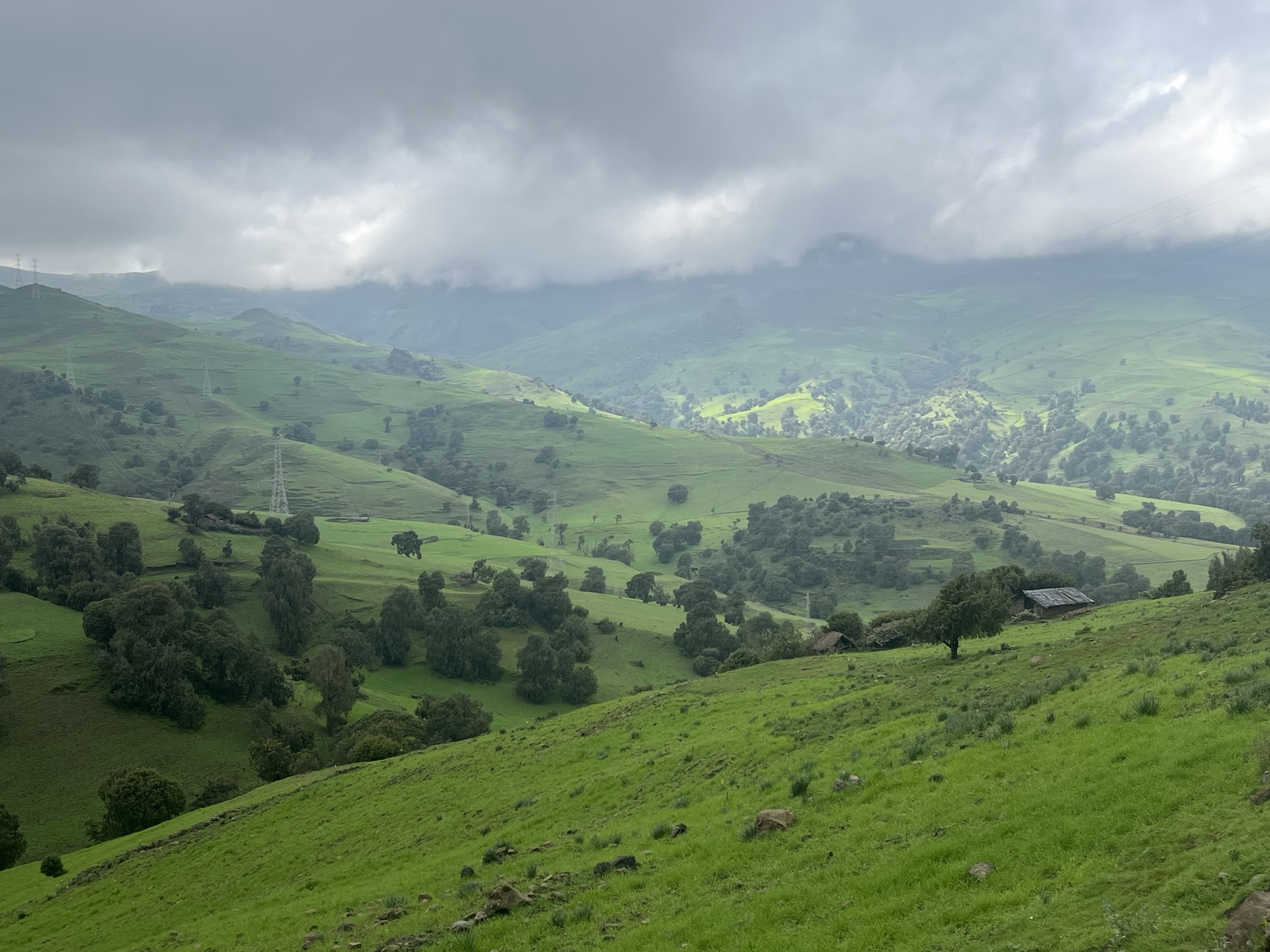
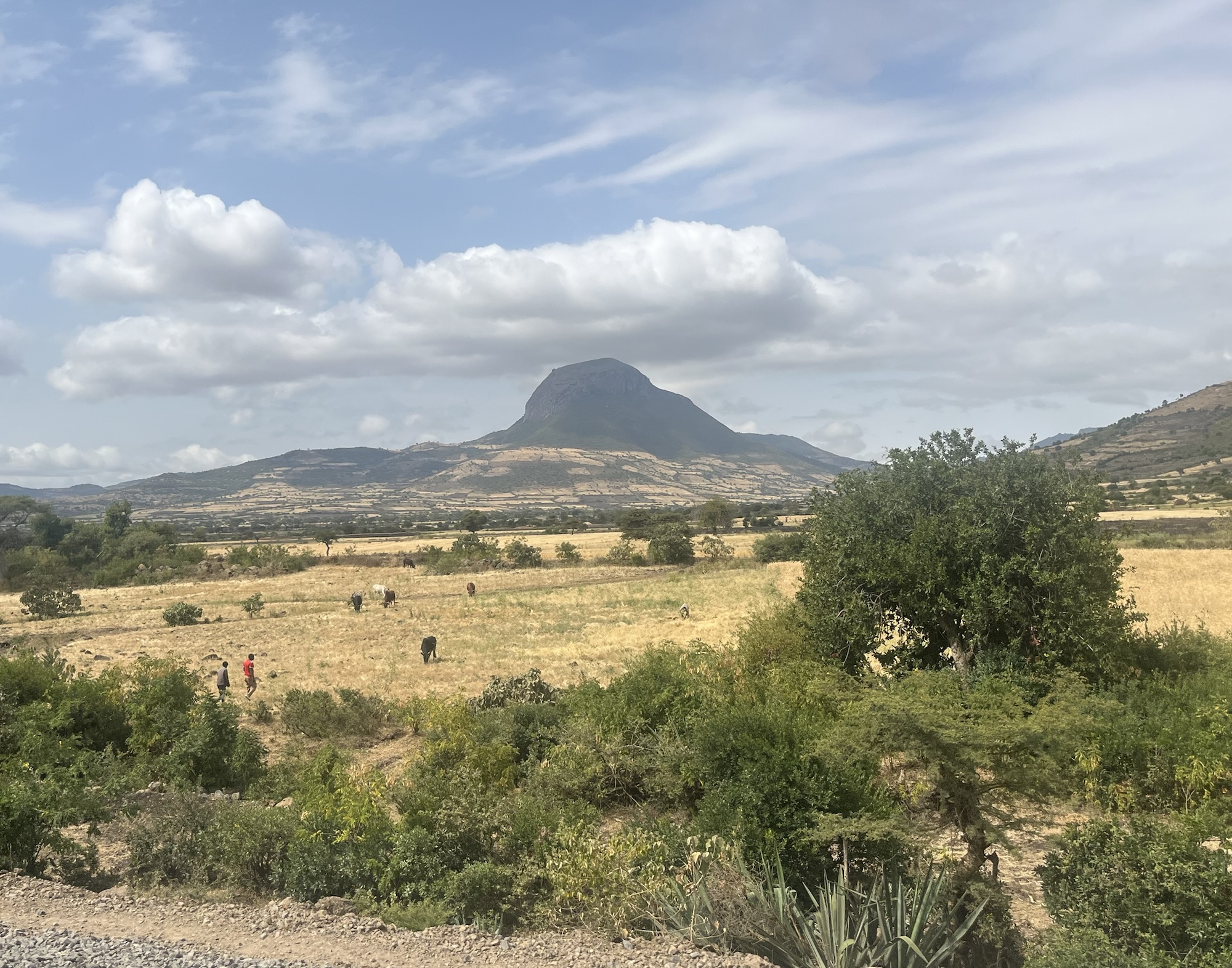
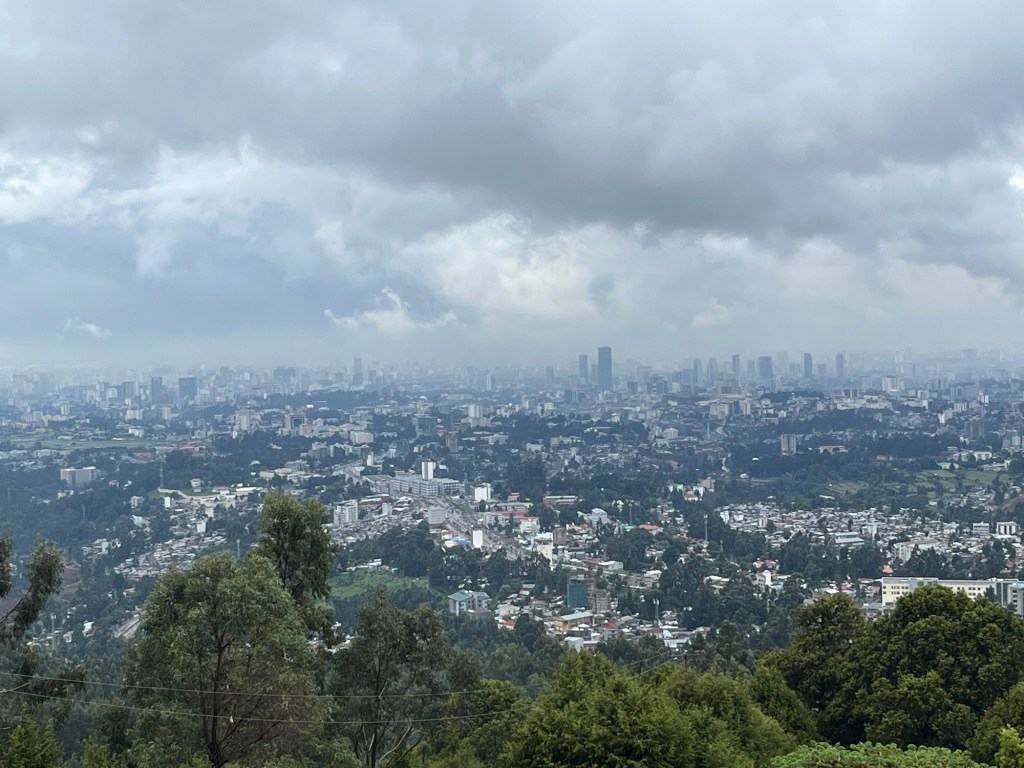
Ethiopia is a country I have wanted to visit for years now, primarily for the Simien Mountains. It is one of the largest countries in Africa with the second largest population of 132 million people. One can argue if it’s the birthplace of mankind or not, but no one can dispute that coffee originated here, nor that the Ethiopian highlands fuel the River Nile. Rastafarianism is rooted in Ethiopian history. It is one of only two African countries/regions never to have been colonised, occupied by the Italians, but never subjugated by a foreign power. I grew up with Ethiopia on the news, decimated by famine even though it had happened before I was born. That, along with the Rwandan genocide, and the war in Sierra Leone was to be my perception of Africa growing up. It was therefore quite the surprise to see how developed Addis Ababa – Ethiopia’s capital – is today. Of course, I know Africa is changing fast, I’ve seen that in my time coming here, but many of the capital cities are places I never want to visit again as they struggle with the double challenge of development and struggling to keep up with a rapidly expanding population. Addis on the other hand is pleasant, with good roads, a good airport serviced by the best airline in Africa, good hotels, and a whole heap of good places to eat. In fact, I would go as far as saying that the city has a wider range of quality restaurants than Doha. It’s fair to say I live in a little expenses bubble and so I have nothing to worry about, but if I was told I had to live in Addis for extended periods of time I don’t think I’d worry too much. But nevertheless, a city is a city and so I was happy to hit the road and go exploring.
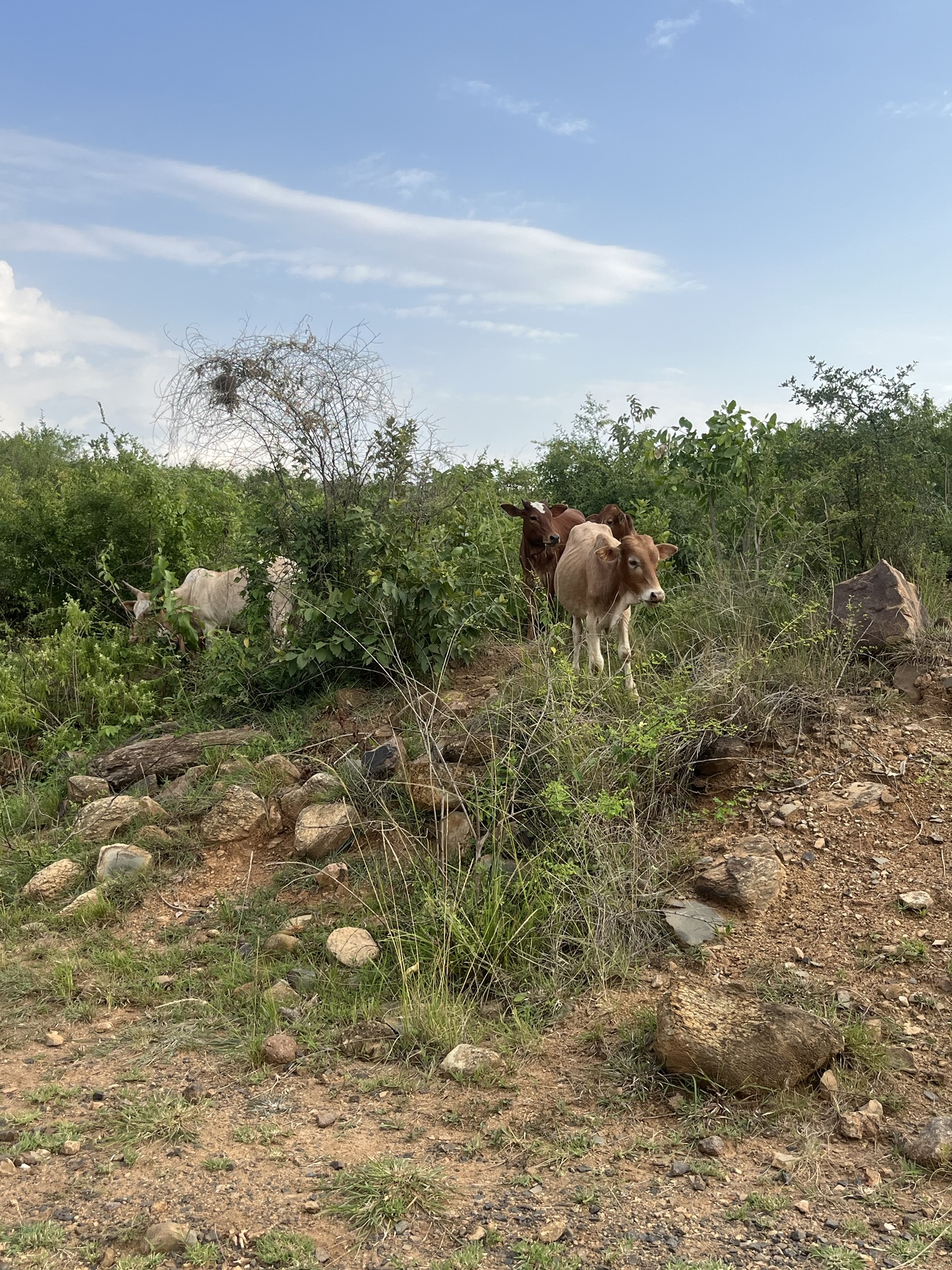
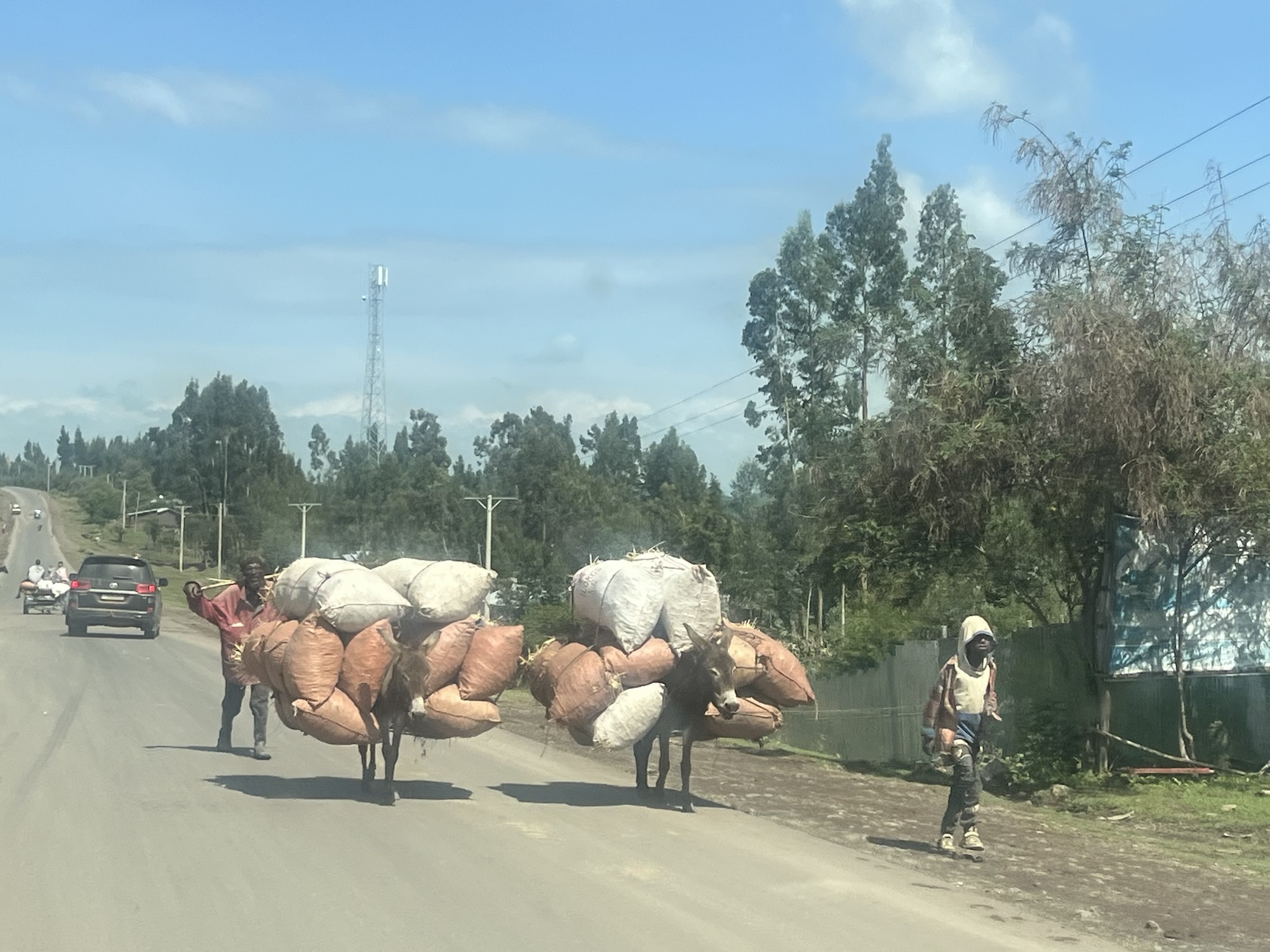
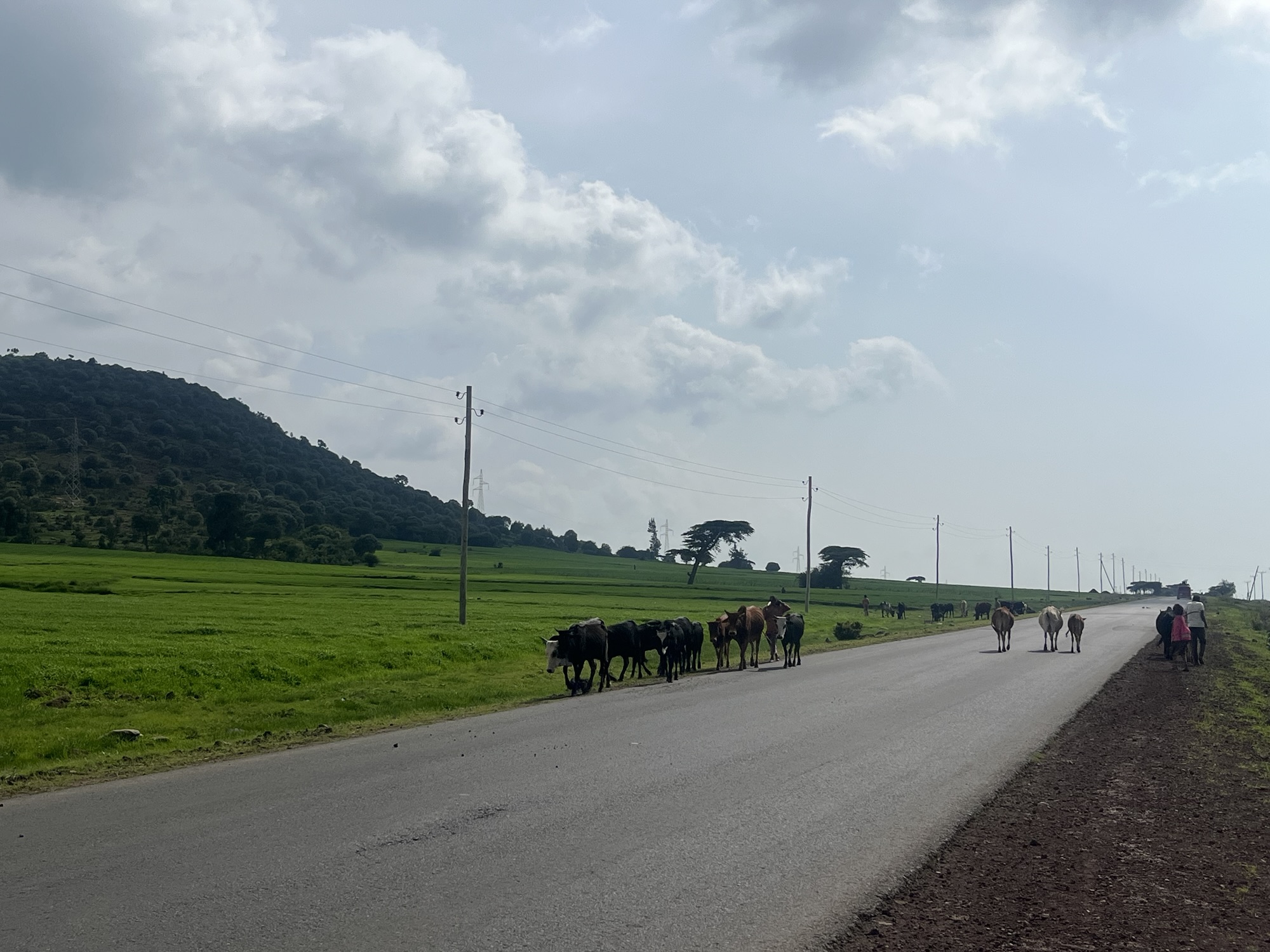
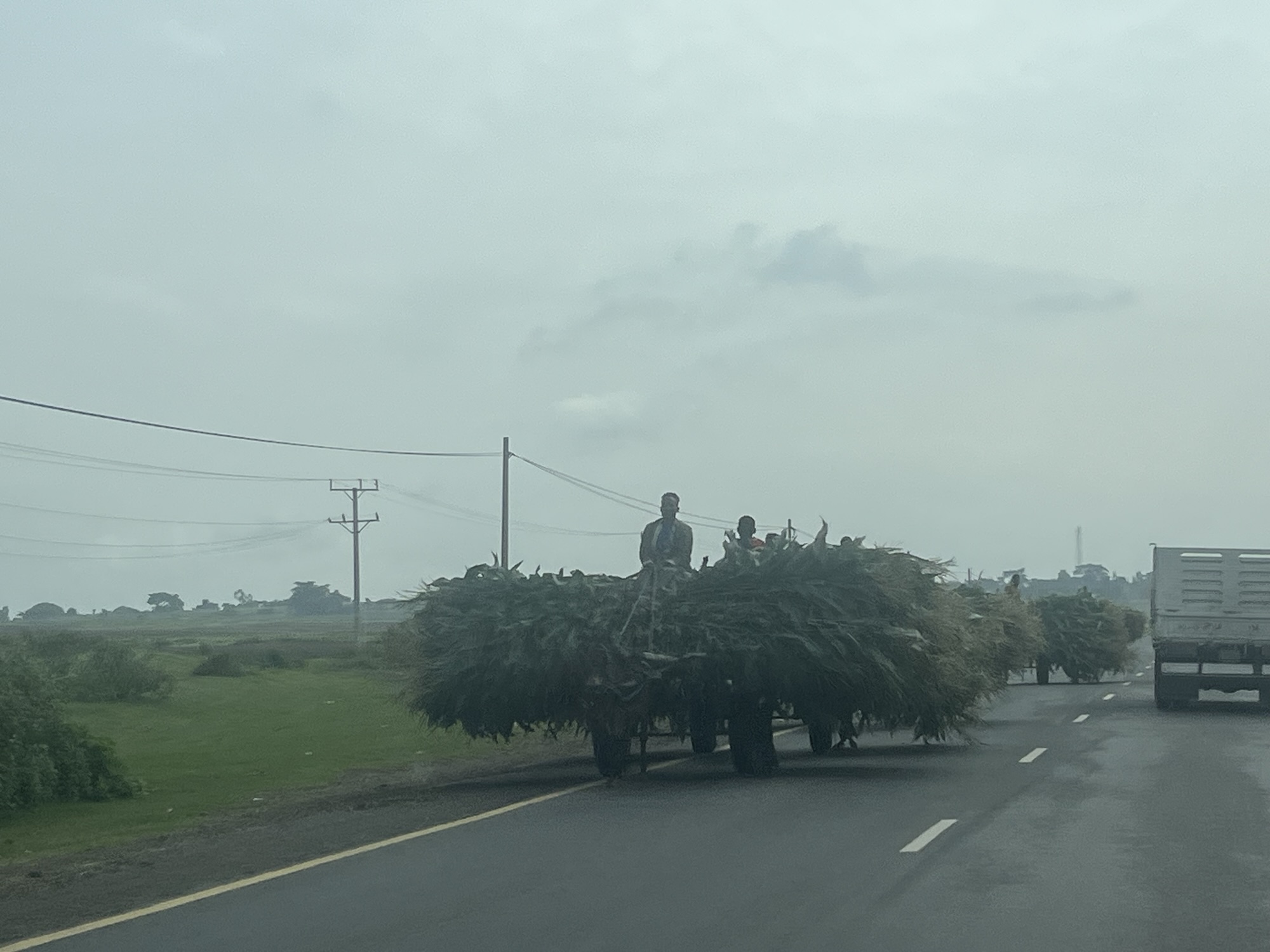
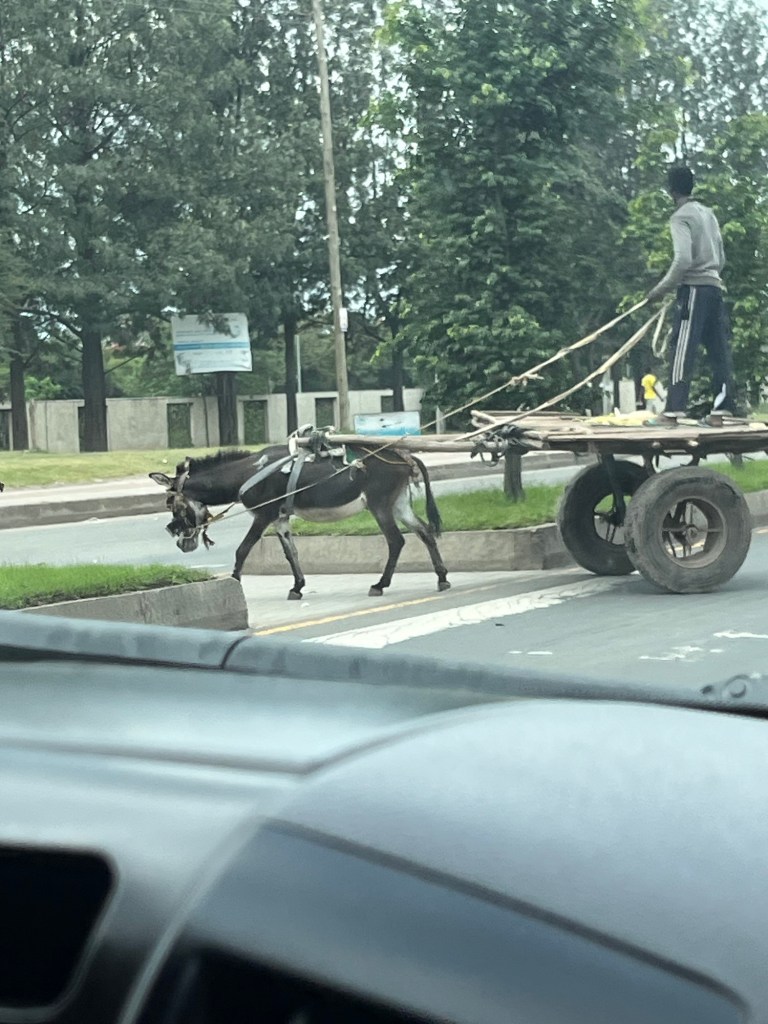
One of the great paradoxes of development is that of roads. Road development has been rapid on the continent over the past 15 years, often driven by resource extraction, but always to the benefit of the local population – there is no doubt a good road just makes life easier. The problem is that good roads lead to faster vehicles and greater risk taking which doesn’t sit well with overcrowded buses, poorly maintained vehicles, and wild truck drivers. It’s not an African problem, the UK loves a good RTA, and Ethiopia actually appears to have a well-maintained fleet of trucks. I suppose the problem is that when it does go wrong in Ethiopia it’s more in your face. Ninety minutes after leaving Addis on a beautiful new dual carriageway and only two minutes after I took a photo of the fact, we came to a halt. It turned out a minivan and a bus had had an altercation which ended with pieces of someone spread about the road. The road was crowded with people as police tidied up, but it otherwise appeared a very casual affair. A few weeks later we were travelling on the worst road I’ve ever been on. I’m a good passenger, but this road was the main supply artery for Ethiopia bringing goods down from Djibouti on a new, single-lane carriageway and it was only a matter of time until we saw carnage. Sure enough we passed two light goods vehicles that had recently collided head-on and would have required a Henry vacuum cleaner to tidy up the occupants. Later that day a heavy goods vehicle had rolled over, shortly after we had seen another lorry beginning an overtaking manoeuvre whilst approaching the brow of a hill. Driving through the towns is a whole different affair with donkeys and carts, tuk-tuks, and herds of cows and goats all hogging the road as cars and trucks attempt to weave their way through. This is admittedly at a much slower pace and the fear for one’s own life is replaced with that of taking another’s. All of this is brought about by transitioning from a low-income rural economy to a high-income industrial economy, and at speed, with a rapidly growing population; there will be bumps along the way.
I almost cut this, but considering the renewed ‘issues’ with the Union Jack and Cross of St. George in the UK I felt this was an interesting story. Pulling up outside a hotel one evening to go for dinner we got out of the cars to find ourselves at the start of the daily lowering of the flag. People stood proudly on the steps of the hotel, passersby walking along the street came to a stop as did the majority of cars. The national anthem played out of tinny sounding speakers while people sang along as the flags were slowly lowered from their masts. Once done, everyone carried on with their evening. I see this throughout the world from democracies to dictatorships, only the English appear to have a problem with being themselves, yes driven through deep rooted insecurities driven by our past worldwide ‘inquisitiveness’, but the sooner we learn to be proud of our flag(s), the sooner we can eradicate their connection to the far right. Anyway, let’s get back to the food. After the flag ceremony we were treated to a huge plate of chicken and chips. Outside of Addis, this was usually the food on offer other than the local dish that is injera served with anything from scrambled eggs to chickpeas, carrots, spaghetti and a vast array of condiments depending on the establishment. What is consistent is that there always appears to be plenty of it, no matter where in the country. A dusty, rusty, abandoned looking shack will suddenly turn out plates full of food to the point where I find myself eating simply because I don’t want to waste any food. Whether this is normal, I can’t say. What I do know is that our local drivers had a ferocious appetite. Injera is a type of flat bread made from teff, the traditional grain grown in Ethiopia. It is most strange and I’m yet to love it. It has a weird texture that reminds me of a cow’s stomach and tastes a little sour due to its fermentation. The whole dish resembles nothing that I’ve eaten before, none of it is bad, in fact it can be quite delicious, it’s just different.
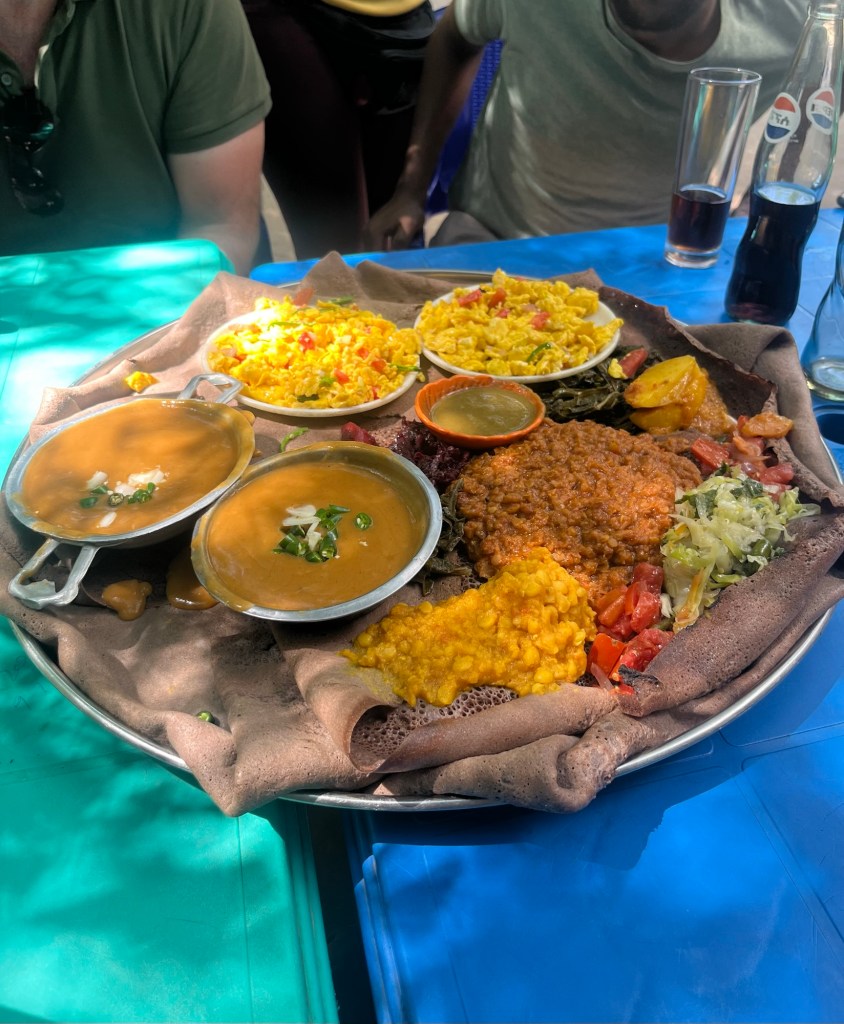
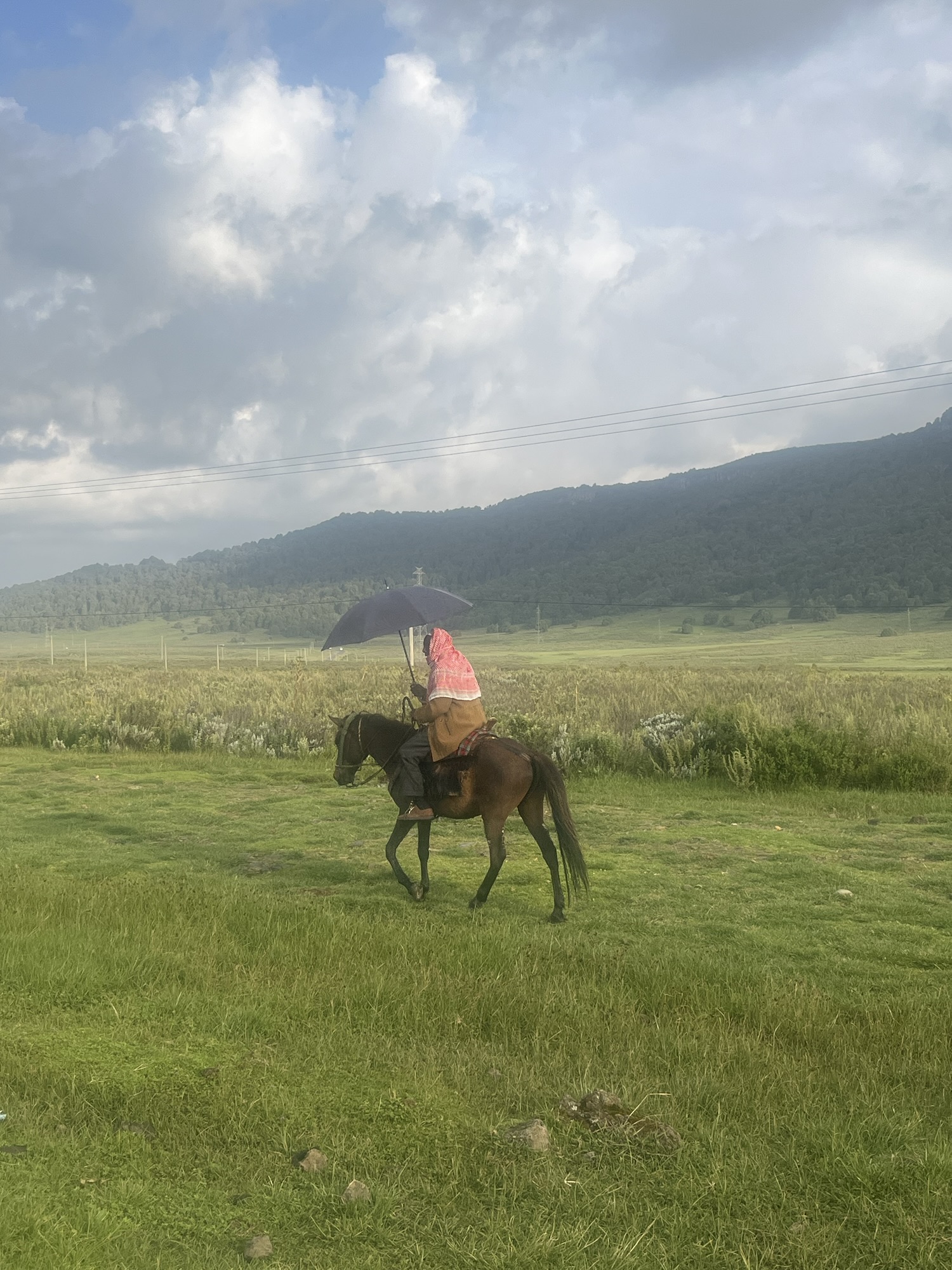
The first time I visited Ethiopia I was sick for the whole week despite not leaving the capital. On my second visit we spent three weeks travelling around the country and I wasn’t sick once. This is not a new phenomenon but in Ethiopia knives and forks don’t really feature in traditional cuisine, fingers are the utensils. Therefore, when sat around a local’s dinner table it would be impolite not to dig in with your fingers eating off the same plate as everyone else. By the side of the road our driver stopped to buy fried whole wheat from one of an army of sellers, all pawing at their goods in an attempt to woo a buyer. As always, food will be shared and so all one can do is dig in. On a mountain pass at 3,600 metres, thunder sounded throughout a grey, wet sky, it was cold, and a few shacks were lining the roadside. We pulled up to buy some cooked potatoes that were being sold out of a grubby plastic bowl sold by an even grubbier but adorable child. I downed the potato skin and all, it was by far the best potato I’ve ever eaten, cooked to perfection and loaded with flavour. Such moments are sound reminders of how pathetic we have become in the West, worried about a bit of dirt but obsessed with diabetes.
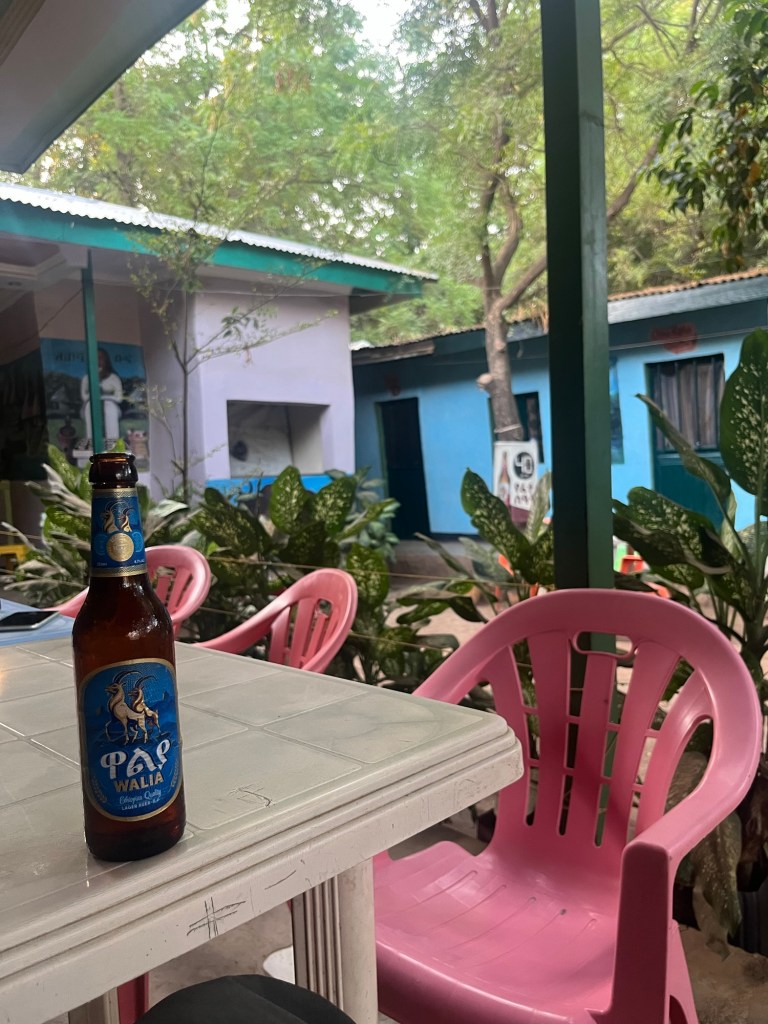
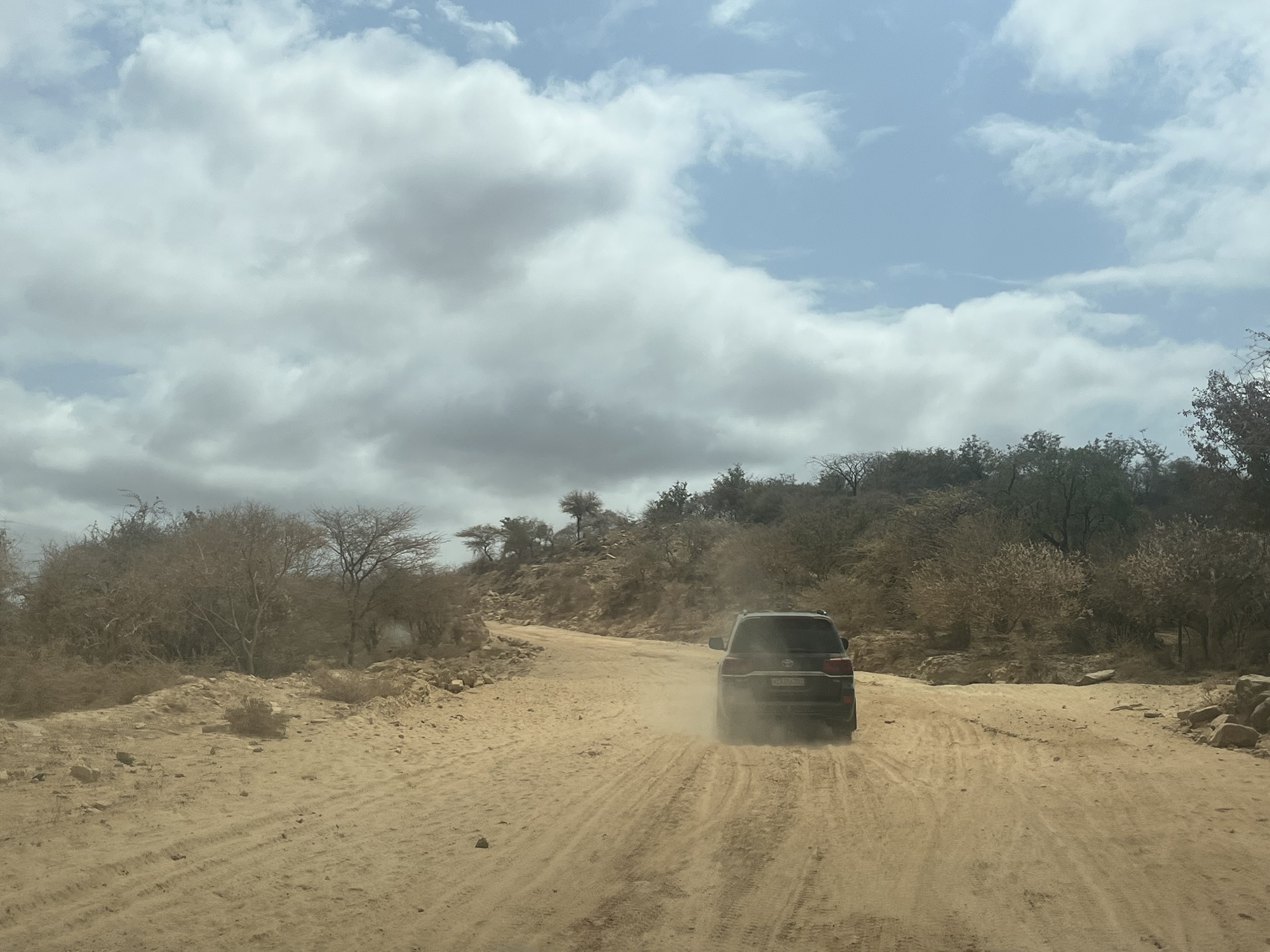
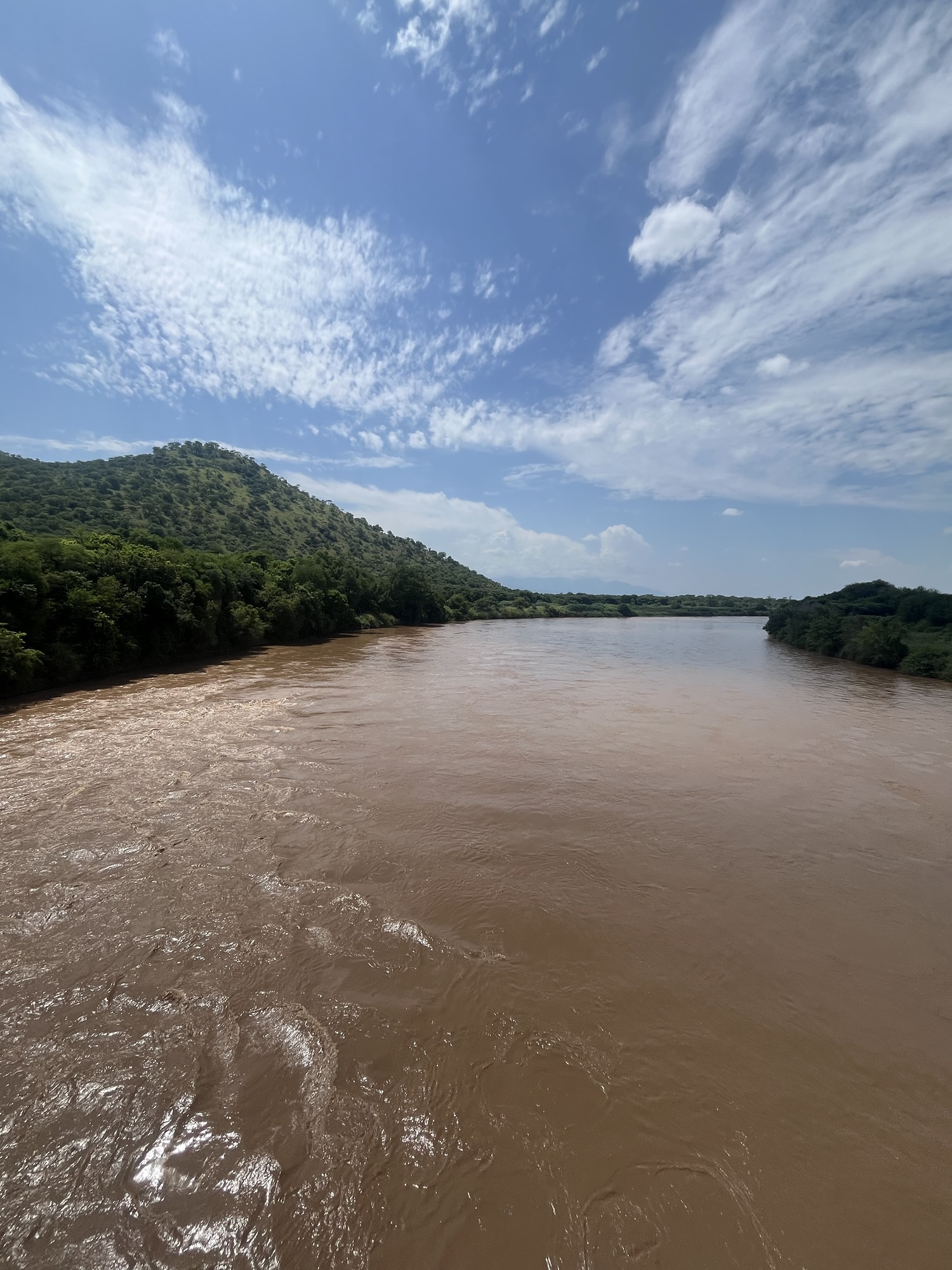
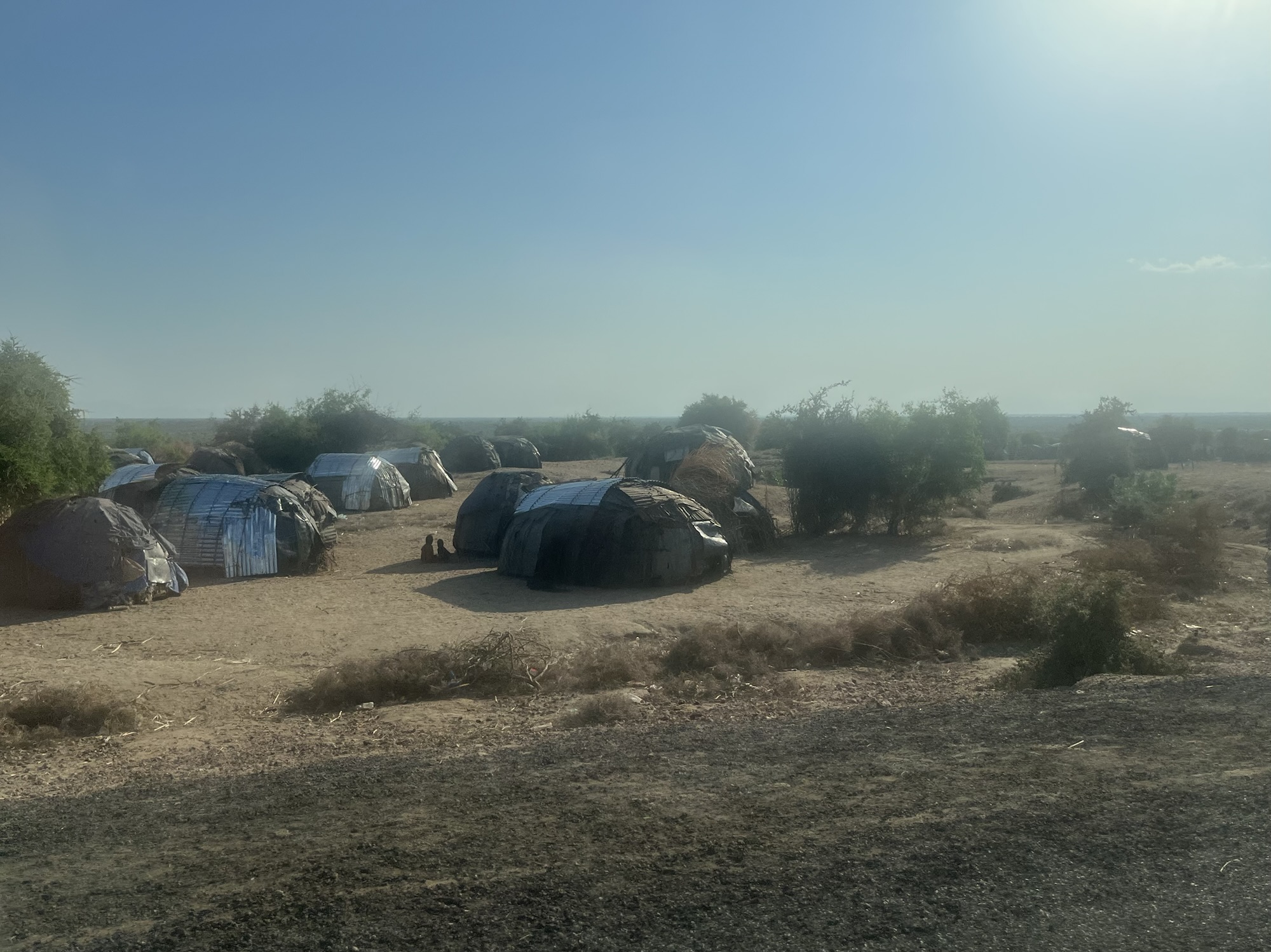
A trip to the southwest of the country threw up the most diversity that one can expect in a rapidly changing country. The Omo Valley is famous in guidebooks for the Omo tribes that inhabit the region, the very people that have initiation ceremonies running over the backs of cows and wear huge disks in their lips and ears. But we were there for the lesser-known sugar factories that had been set up in the region and consuming tens of thousands of hectares, only they weren’t due to mismanagement. As we rolled up to the entrance of one of the sugar estates on the edge of a small local town, a local Omo chap walked past in tight fitting bright orange shorts and a traditional headscarf chatting away on a mobile phone while an orthodox church rang out as the two-and-a-half-hour daily chant reached its crescendo. As we drove into the valley, perfectly paved roads had been laid for the sugar estates, now all overgrown with bush. Sat between this failed attempt at capitalism there is a protected national park that strangely everyone wants a piece of despite the vast area of surrounding land already taken over for unproductive agriculture – it’s not bad land, just poorly managed, yet for some reason mankind has an insatiable appetite for virgin land. Driving through the national park, not on a paved road, but one of rough gravel, the grassy plains danced between vivid green when the clouds sailed overhead to the brightest of yellows when the intense sun returned overhead. Throughout the valley we would pass villages made of dome huts, most apparently pushed to the edge of the valley with the border of South Sudan where the environment hardens. Women with what can only be described as intensely braided bronze coloured hair can be seen carrying as much weight on their backs as one of the many donkeys walking around seemingly with little to do compared to other regions. We exited the valley at the southern end and found ourselves one evening passing through thousands of dome huts, this time not made from traditional materials as with the Omo Valley, but sheets of corrugated iron, NGO tarpaulin, and anything else that could be found lying around. Never have I seen so many NGO signs advertising their attempts to do something, although that something is not obviously apparent. We found ourselves in a bar, at sunset, in the small remote town of Omorate, on the northern end of Lake Turkana where the Omo River ends its journey, and the meeting point of the borders of South Sudan, Ethiopia, and Kenya. The contradictions of working in the region will never end I am sure, but for those couple of hours at least, there was nowhere else I wanted to be.